You can have a strong season on paper and still watch the profit thin out by month's end. More often than not, the drain is on the cost side, where running expenses creep up quietly across the business.
Every dollar you cut lands straight on your bottom line, with no new customers or marketing required, so trimming a little from several recurring costs can beat chasing a few extra bookings. Below are the main cost centers and how to bring each one under control.
1. Measure Before You Cut
You can't reduce a cost you aren't tracking. It's common for centers to run for years without knowing what a single air fill, rental turnaround, or guided dive actually costs them. Start by breaking your monthly expenses into clear categories like payroll, rent, utilities, insurance, gas, maintenance, and software.
Then tie each variable cost to the service that creates it, so you can see which activities earn their keep and which quietly lose money. Common leaks like unbilled extras, underpriced services, and gear that walks out without an invoice are easier to catch once you measure them.
2. Align Staffing With Demand
Payroll is often one of the highest operating costs in a dive center, which makes scheduling the place where discipline pays off most. Cutting staff outright risks hurting service and safety, so the real lever is matching hours to demand: more instructors and divemasters on busy weekends and trip days, and fewer through the predictable quiet stretches.
Cross-train your team so one person can cover the counter, fills, and basic servicing instead of leaving specialists idle. When the season allows, lean on part-time and seasonal staff for the peaks rather than carrying full-time payroll all year.
3. Control Inventory and Rental Gear
Cash tied up in slow-moving stock is a cost too, even if it never shows up on a utility bill. Track what actually sells, stop reordering what doesn't, and order to demand instead of filling shelves for the sake of it. It's also worth negotiating supplier terms while you're at it.
For rental fleets, log every item out and back so less gets lost or written off early, and service the gear on a schedule so it lasts its full life. Buying certified used equipment for boats, compressors, and rental gear can cut your upfront outlay a lot compared with new.
4. Lower Your Energy Bill
Electricity is one of the higher recurring costs in a dive center, and the fill room is usually the heaviest single draw. A breathing-air compressor running inefficiently, or simply longer than it needs to, burns money on every cycle.
A well-maintained, correctly sized compressor uses less energy per fill than an old or oversized unit fighting against itself. Keep the intake filters clean so it isn't straining, size the system for your real peak instead of far above it, and fill storage banks during off-peak hours if your tariff allows. Small gains like these repeat on every fill, every day.
5. Reduce Equipment Downtime and Maintenance Costs
Downtime hits you twice. You lose the income from cancelled fills and dives, and the emergency repair often costs more than a planned service would have. That makes preventive maintenance one of the more cost-effective savings you can find.
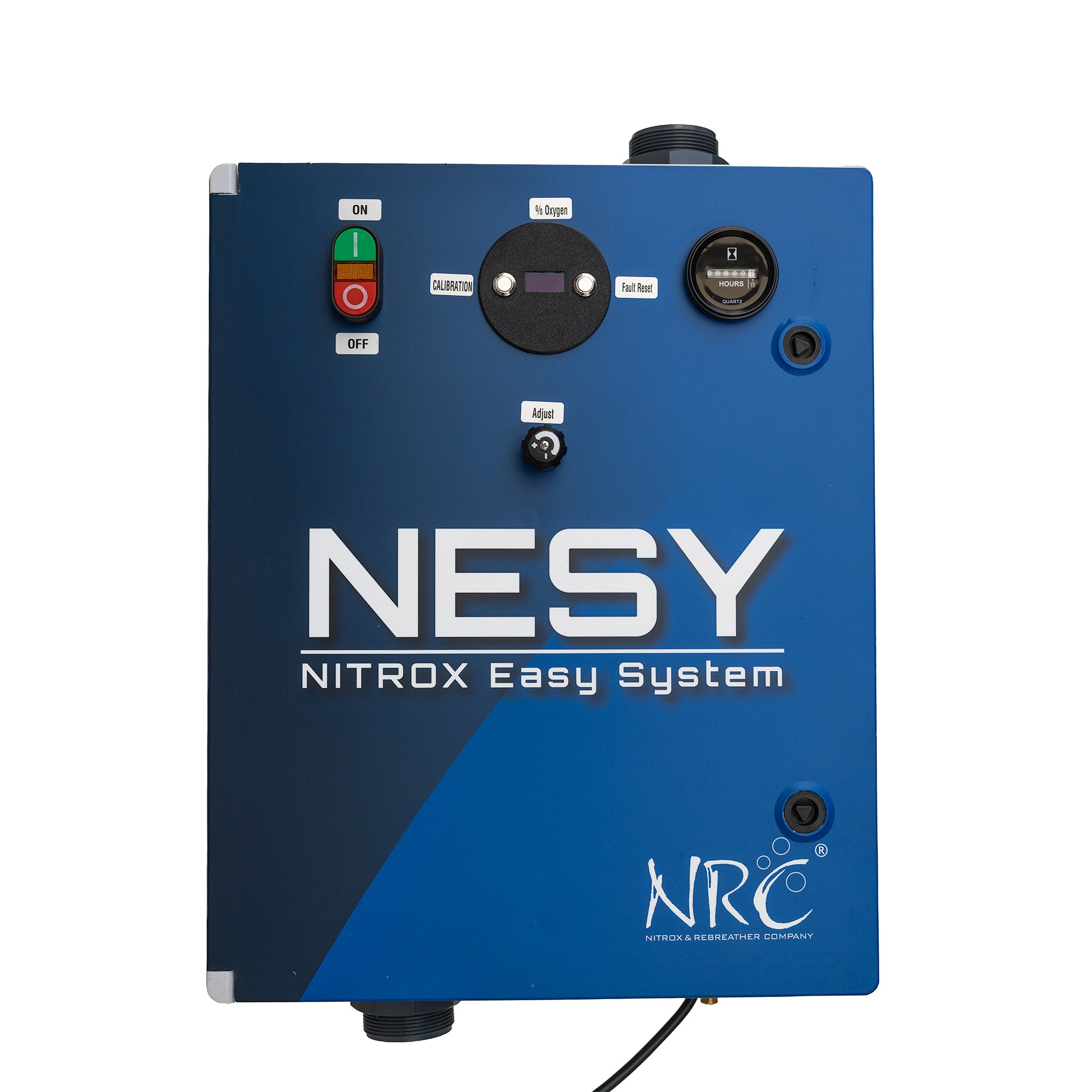
Service your compressors, Nitrox systems, and analyzers on schedule instead of waiting for something to fail on a busy weekend, and keep filters, oil, and common spares on the shelf so a missing small part doesn't strand the whole operation. Choosing durable, easy-to-maintain equipment from the start lowers the lifetime cost.
6. Stop Wasting Gas
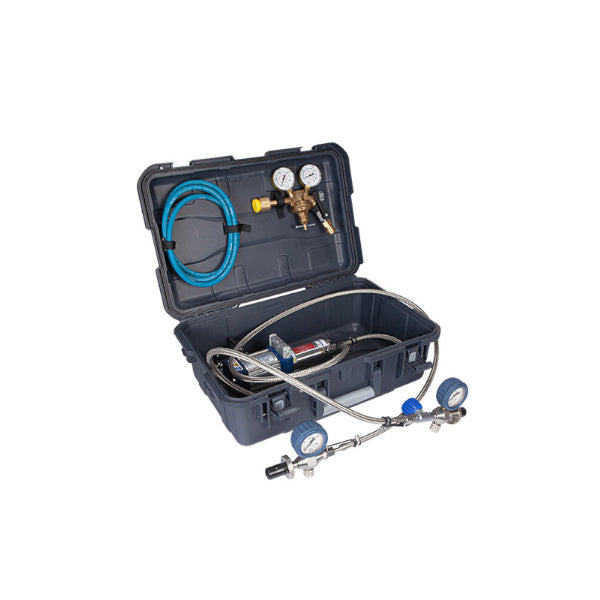
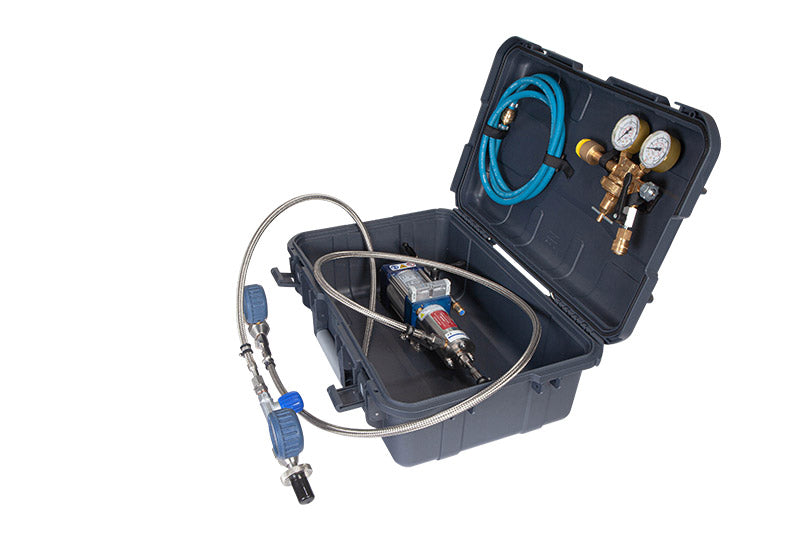
Gas you vent is pure cost, and helium is especially expensive to lose. A booster pump lets you recover leftover helium and partly used cylinders into your next mix instead of wasting them, which pulls down your gas spend directly.
Getting the blend right the first time saves money too. A calibrated oxygen analyzer checks each mix before it goes out, so you're less likely to bleed down and re-fill cylinders that missed their target percentage. Reliable oxygen handling protects your gas budget and your safety standards at once.
7. Review Fixed Costs Regularly
Rent, insurance, and software subscriptions tend to renew on autopilot, which is part of why they drift upward. When your lease comes up for renewal, revisit the terms and compare them against the local market. Review your insurance each year too, so you're neither underinsured nor paying for cover you no longer need.
Then audit your software and service subscriptions and cancel anything that overlaps or goes unused. None of this is glamorous, but fixed costs compound month after month, so trimming them once pays back all year.
8. Cut Administrative Waste
Time spent fixing double bookings, chasing paperwork, and reconciling systems that don't talk to each other is a real cost, even though it hides inside salaries.
Pulling your bookings, payments, rentals, and inventory into fewer connected systems cuts down on errors and frees your staff to serve customers instead of correcting mistakes. The aim is straightforward: less time on admin and more time on the work that actually matters.
Your Dive Center Cost-Cutting Checklist
When you're ready to bring costs down, work through them in order rather than all at once. Here's the short version:
-
Measure each cost center before you cut, so you know the real cost of every service
-
Align staffing with demand instead of carrying idle hours
-
Control inventory and rental gear to free up tied-up cash
-
Lower your energy bill, starting with the fill room
-
Reduce equipment downtime with preventive maintenance
-
Stop wasting gas, especially expensive helium
-
Review fixed costs like rent, insurance, and subscriptions every year
-
Cut administrative waste by consolidating systems
That last group is worth keeping in view. Energy, gas waste, and downtime aren't fixed costs of running a dive center. Much of it traces back to the fill room, and reliable, well-maintained gas equipment brings all three down at once.
Make Your Fill Room Pay You Back

In the fill room, spending more can actually save you more. Cheap or aging gear bleeds money on every cycle through wasted energy, vented gas, and downtime, while efficient equipment helps keep those costs down for years.
Since 2000, NRC International has supplied dive centers and liveaboards in more than 35 countries with German-engineered gas equipment built to keep costs down, from Nitrox membrane systems and breathing-air compressors to booster pumps and oxygen analyzers.
Contact us to discuss the right setup for your center!