A dive center is a physical operation before anything else. Wet gear moves through it all day, compressors run, tanks come and go from the boats, and salt water gets into everything. Plan the building and its systems well, and the day flows. Get them wrong, and your staff spends their time working around problems that should never have existed.
Most centers grow their premises piece by piece instead of designing them, so the same mistakes show up again and again. Here are seven of the most common issues, what each one costs you, and how to fix them.
1. Poor Layout and Customer Flow
Start with your layout, because it affects almost everything else on this list. If your gear storage sits far from the water, every tank and set of fins gets hauled across the floor, and on a crowded morning, that becomes a real bottleneck. The same happens when wet divers cross paths with dry retail stock, or when customers pile up at a counter in the wrong spot.
Fixing it is straightforward. Shape the space around the route people actually take, from reception through retail and training out to the water and back. When the flow makes sense, congestion eases, your stock stays clear of wet traffic, and the whole center feels calmer to move through.
2. Weak Water Management and Rinse Areas
Every one of your divers rinses their gear in fresh water and hangs it to dry after a dive, so this corner of your center works as hard as anywhere. That means it deserves the same thought you gave your layout. Keep it near the water, and your divers stop dripping across the whole shop on the way back from the boat.
A few practical things make it run well. Good drainage clears water fast instead of letting it pool into a slip hazard, and the right water pressure, strong enough to rinse gear quickly without wasting water, keeps the queue moving. A water pressure controller takes care of that for you.
3. Disorganized Gear Storage and Rental Systems
Your rental fleet and your customers' gear represent a serious investment in your dive center, so how you store them is important. Without a systemised setup, a piece of rental gear could go missing or get damaged between dives, and it might take you several trips before you even notice it's gone.
To prevent this, give rental gear, customer gear, and retail stock their own clearly marked areas, log items in and out, and keep them on a maintenance routine so they last their full service life. Well-organised storage protects the value tied up in your fleet and speeds up every transaction.
4. Neglecting the Gas Room as a Designed System
Your fill station runs the whole operation, but is it truly set up to handle it? In many centers, the gas room is expanded with one compressor at a time over the years rather than planned as a whole. When it's undersized, poorly ventilated, or only serviced once something breaks, a single failure can stop your fills, courses, and boat dives all at once.
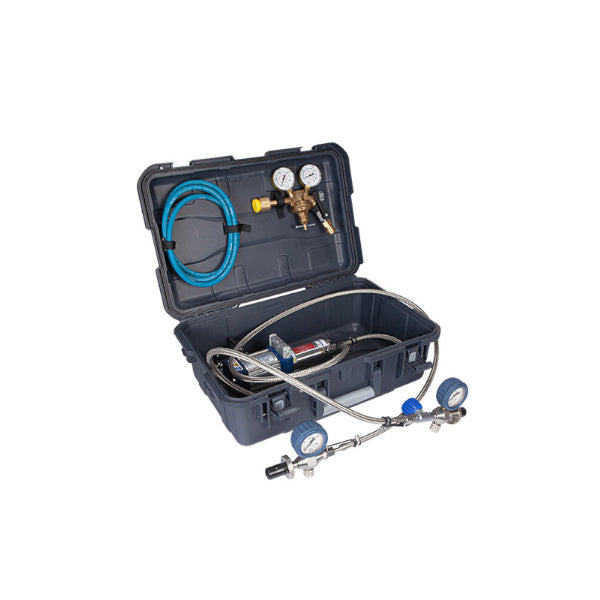
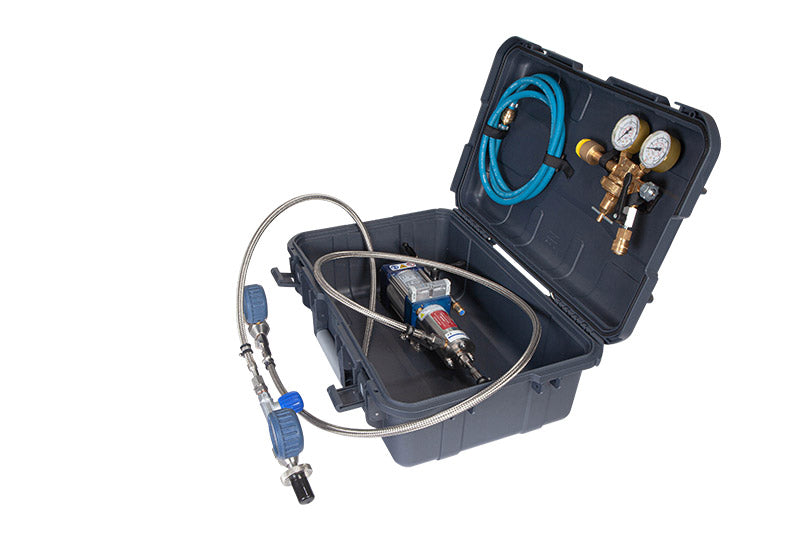
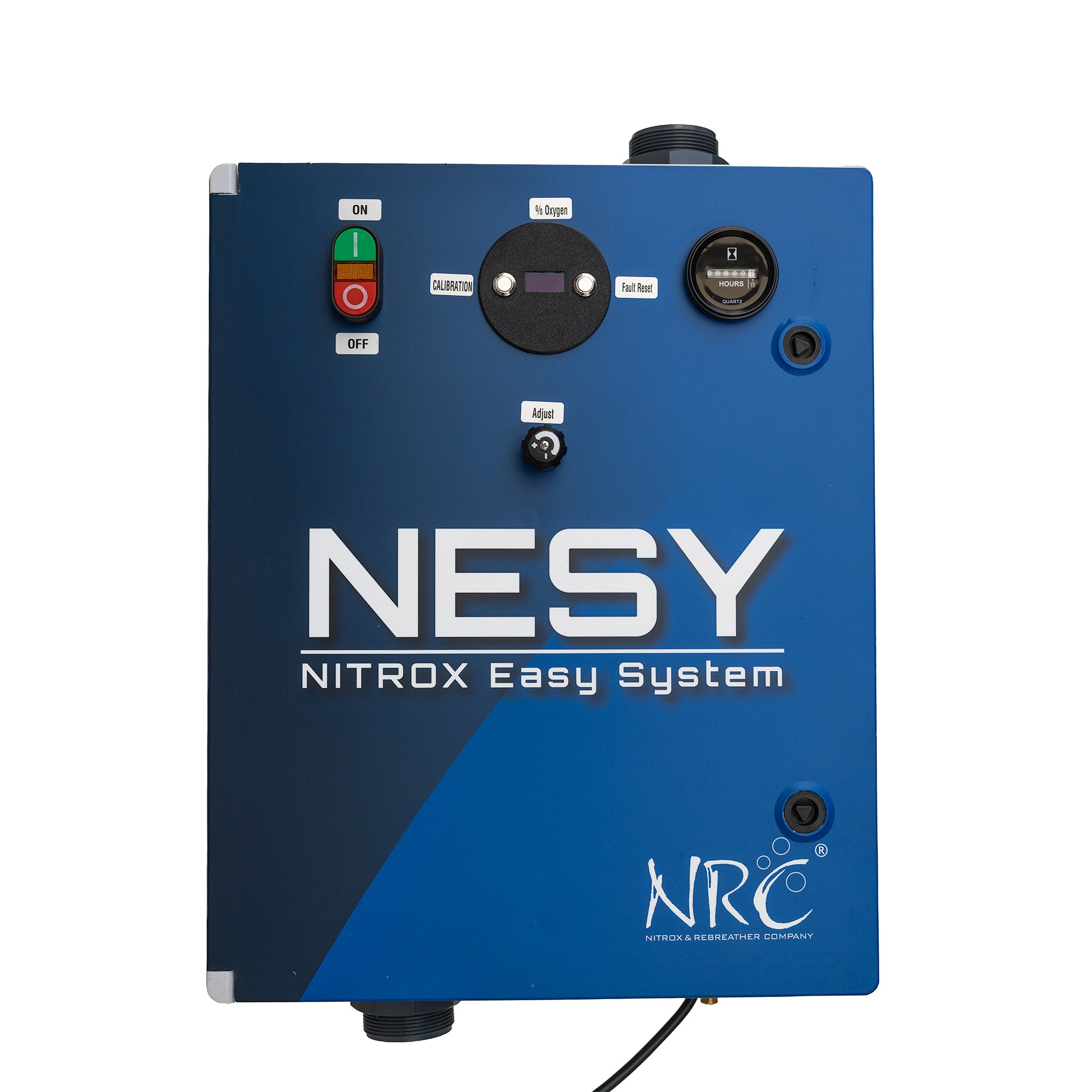
Plan it as the business-critical system it is. Size it for your peak demand, ventilate it properly, and keep it on a maintenance schedule. It also pays to build it around equipment you can count on, like a reliable breathing-air compressor and Nitrox system, so the engine of your center keeps running on the days that matter most.
5. Underestimating Electrical Capacity
Your compressors, charging stations, pumps, lighting, and climate control all pull power at the same time, and if your supply was never upgraded for that load, it could possibly give out at the worst possible moment. Breakers tripping on a busy weekend are usually the first sign it was never sized for what you actually run.
Have a qualified electrician assess your supply against everything running at once, with some capacity to spare for when you grow. Reliable power goes unnoticed when it works and brings the whole day to a halt when it doesn't.
6. Ignoring Corrosion and Humidity Control
Salt water and constant moisture are relentless in a dive center, working away at your gear, tools, electronics, and even the building itself. Leave the humidity unchecked and you'll find your equipment aging far faster than it should.
Keep the environment under control with good ventilation, a clear separation of wet and dry areas, and corrosion-resistant fittings wherever salt water reaches. It protects your gear, your stock, and your premises, and it saves you the replacement costs that pile up over the years.
7. Building With No Room to Grow
It's easy to build exactly for today's needs and leave no margin for a busier season, a new service, or a piece of equipment that's down for servicing. When that happens, a single failure or one strong year can overwhelm the whole setup.
So plan for growth and for maintenance access from the start. Leave room to add capacity, keep your critical systems easy to reach for servicing, and avoid single points of failure in anything the operation depends on. Building with a little headroom now is far cheaper than rebuilding once you've outgrown the space.
Build a Center That Works With You
Most of these mistakes trace back to the same thing: a center that was added piece by piece over the years instead of being designed as a whole. Plan your layout, water, storage, gas room, power, and room to grow as connected systems, and you avoid the daily friction and the costs that quietly pile up.
Of all of them, the gas room is the system your divers trust most and the one they notice fastest when it fails. Since 2000, NRC International has supplied dive centers and liveaboards in more than 35 countries with German-engineered Nitrox systems, compressors, boosters, and analyzers built to last.
If you're planning or upgrading your fill station as part of a better-built center, contact us to get it right!