Eine zuverlässige Gasmischung hängt vor allem von einem Faktor ab: dem Druck . Steht der benötigte Druck dort zur Verfügung, wo er benötigt wird, lassen sich die Tauchflaschen problemlos füllen, die Zieldrücke sind leicht zu erreichen und das Gas wird effizient genutzt.
Im laufenden Betrieb können sich jedoch unbemerkt Druckgrenzen einschleichen, und diese kleinen Ineffizienzen summieren sich mit der Zeit. Nachfolgend finden Sie drei klare Anzeichen dafür, dass ein Hochdruckverstärker dazu beitragen kann, Geschwindigkeit, Konsistenz und Kontrolle in Ihrem Abfüllprozess wiederherzustellen.
Was ist ein Hochdruckverstärker?
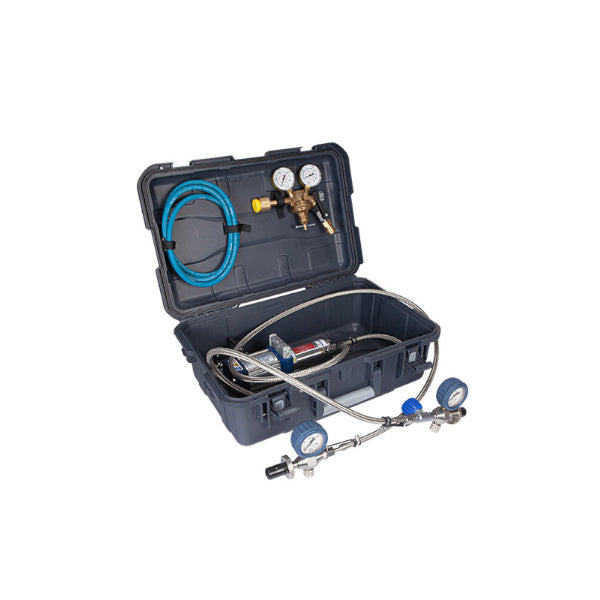
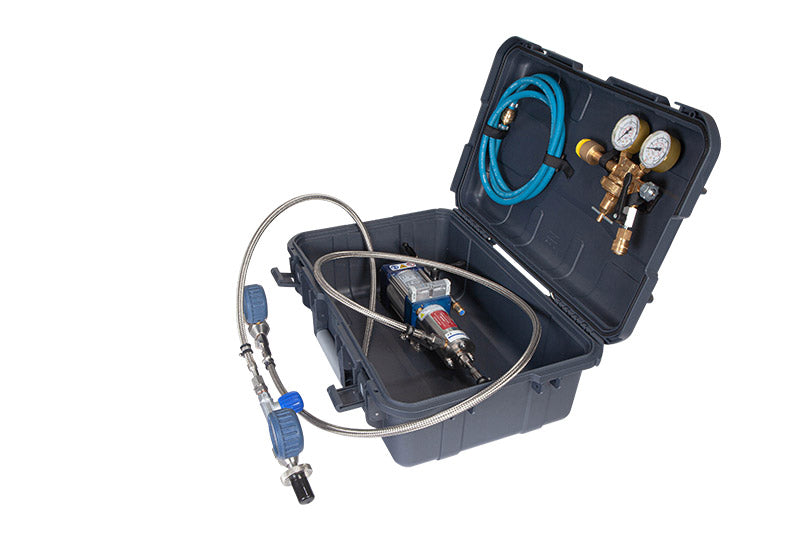
Eine Hochdruckpumpe, auch Gasförderpumpe genannt, ist ein Gerät, das Gas aus einer Niederdruck-Vorratsflasche in eine andere Flasche mit höherem Druck befördert. Vereinfacht gesagt, hilft sie dabei, überschüssiges Gas zurückzugewinnen und optimal zu nutzen, das sonst ungenutzt bliebe, sobald der Druck in der Vorratsflasche zu niedrig ist.
Zum Beispiel,
Wenn Sie eine 50-Liter-Heliumflasche mit nur noch 30 bar Fülldruck besitzen, kann das Helium nicht direkt in eine Tauchflasche mit höherem Druck umgefüllt werden. Mithilfe eines Boosters lässt sich das Helium jedoch sicher in eine teilweise gefüllte Trimix-Flasche umfüllen, beispielsweise in eine Flasche mit 21 % Sauerstoff und 35 % Helium.
Vor dem Boostervorgang werden präzise Gasmischungsberechnungen durchgeführt, um die benötigte Heliummenge zu ermitteln. Anschließend wird der Booster eingesetzt, um den Heliumdruck zu erhöhen und das Helium in die Trimix-Flasche zu leiten, bis der gewünschte Enddruck erreicht ist.
Warum treten Probleme beim Tanken auf?
Der Gasaustausch folgt einer grundlegenden physikalischen Regel. Gas strömt nur von einer Quelle mit höherem Druck in eine Flasche mit niedrigerem Druck. Je ähnlicher sich die Drücke sind, desto langsamer wird der Gasfluss. Sobald sich die Drücke ausgleichen, stoppt der Gasaustausch.
Im täglichen Abfüllbetrieb äußert sich diese Einschränkung selten in einem plötzlichen Ausfall. Stattdessen zeigt sie sich in kleinen, aber anhaltenden Ineffizienzen im Arbeitsablauf. Die Abfüllzeiten verlängern sich, das Erreichen der Zieldrücke wird schwieriger, und nutzbares Gas bleibt in den Vorratsflaschen eingeschlossen.
Nachfolgend drei klare Anzeichen dafür, dass Ihr Betrieb von einem Hochdruck-Gasverstärker profitieren könnte:
1. Die Füllzeiten sind lang.

Ein häufiges Anzeichen für einen Druckengpass ist, wenn das Befüllen von Gasflaschen länger dauert als erwartet. Beim Befüllen einer Flasche steigt deren Innendruck, wodurch sich die Druckdifferenz zwischen der Gasquelle und der Zielflasche verringert. Mit sinkender Druckdifferenz verlangsamt sich der Gasfluss.
Sobald sich beide Drücke angeglichen haben, stoppt die Gaszufuhr vollständig. Ohne Druckverstärker verläuft der letzte Teil des Befüllvorgangs sehr langsam oder kann gar nicht mehr fortgesetzt werden. Um dies zu kompensieren, wechseln die Bediener häufig zwischen Gasspeichern mit höherem Druck oder warten, bis die Zylinder abgekühlt sind, bevor sie den Druck prüfen, was den Arbeitsablauf verzögert.
Die Folge ist eine geringere Produktivität, da Techniker und Anlagen länger als nötig gebunden sind. Ein Hochdruckverstärker hält den nutzbaren Druck aufrecht und ermöglicht so einen effizienten Abfüllvorgang von Anfang bis Ende.
2. Die Zielvorgaben sind schwer zu erreichen

Uneinheitliche Fülldrücke sind ein deutliches Anzeichen für eine Druckbegrenzung. Bei Hochdruckanwendungen kann es vorkommen, dass Zylinder vor Erreichen des erforderlichen Betriebsdrucks blockieren.
Dies geschieht, weil der Gasfluss stoppt, sobald der Druck in der Versorgungsflasche dem Druck in der Tauchflasche entspricht. Ohne Druckerhöhungspumpe ist es nicht möglich, über diesen Punkt hinaus Gas abzulassen. Fällt der Versorgungsdruck unter den angestrebten Arbeitsdruck, beispielsweise 200 oder 300 bar, kann die Befüllung nicht fortgesetzt werden.
Die Folge sind unterfüllte Zylinder und ungleichmäßige Fördermenge. Ein Hochdruckverstärker behebt diese Einschränkung, indem er den Versorgungsdruck über den Zielwert anhebt und so eine vollständige und zuverlässige Befüllung der Zylinder ermöglicht.
Verwandter Artikel: Warum der Booster den endgültigen Druck nicht erreichen wird
3. In den Gasflaschen verbleibt ungenutztes Gas.
Ein kostspieliges Problem entsteht, wenn Vorratsflaschen zurückgegeben werden, obwohl sie noch nutzbares Gas enthalten. Dies geschieht, wenn der Druck in der Vorratsflasche unter den Druck der zu befüllenden Tauchflasche sinkt. Dann stoppt der Gasaustausch, obwohl sich noch wertvolles Gas in der Flasche befindet.
Da Gas nicht von einer Niederdruckflasche in eine Hochdruckflasche umgefüllt werden kann, verbleibt das restliche Gas ungenutzt. Ohne Möglichkeit zur Druckerhöhung wird es verschwendet.
Ein Hochdruck-Gasverstärker löst dieses Problem, indem er das vollständige Abgießen des restlichen Gases ermöglicht. Dies verbessert die Gasausnutzung, reduziert Abfall und sorgt für eine höhere Wertschöpfung aus jeder einzelnen Gasflasche.
Bereit für einen Hochdruck-Gasverstärker?
Sobald eine Druckbegrenzung festgestellt wurde, liegt der Fokus auf der Auswahl einer Lösung, die für den täglichen Gasmischprozess geeignet ist. NRC TEC-Boosterpumpen sind genau für diesen Zweck konzipiert.
Sie lassen sich nahtlos in bestehende Mischsysteme integrieren und sorgen für einen stabilen, kontrollierbaren Druckanstieg genau dort, wo er benötigt wird. Dadurch können die Bediener weiterhin effizient dekantieren, den vollen Betriebsdruck erreichen und nutzbares Gas aus den Quellflaschen zurückgewinnen, ohne den Arbeitsablauf unnötig zu verkomplizieren.

Entdecken Sie die NRC-Gasbooster und optimieren Sie Ihren Gasmischprozess!
Häufig gestellte Fragen
Wird das Gas durch einen Booster verunreinigt?
Nein. Ein fachgerecht konstruierter Hochdruckverstärker trennt Antriebsmechanismus und Gasweg vollständig. Nur die Gasseite kommt mit dem Atem- oder Industriegas in Kontakt, sodass die Reinheit während des gesamten Druckerhöhungs- und Dekantierprozesses erhalten bleibt.
Wie viel Wartung benötigt ein Booster?
Hochdruckverstärker sind für den regelmäßigen professionellen Einsatz konzipiert und unterliegen einem strukturierten Wartungsplan. Dieser umfasst einfache, periodische Inspektionen durch den Bediener sowie planmäßige Wartungsarbeiten, wie beispielsweise den Austausch von Dichtungen, die in festgelegten Intervallen durchgeführt werden. Bei bestimmungsgemäßem Einsatz und Wartung gemäß den Richtlinien gewährleisten die Verstärker eine zuverlässige Leistung über lange Betriebsintervalle.
Ist es eine kostengünstige Lösung?
Ja, insbesondere bei druckbegrenzten Arbeitsabläufen. Indem ein Booster das Befüllen von Zylindern bis zum vollen Betriebsdruck ermöglicht und die Gasrückgewinnung aus Niederdruck-Quellzylindern erlaubt, reduziert er Gasverluste und verkürzt die Füllzeiten.