Before a cylinder leaves your blending station, the gas inside has to be verified against the mix on its label. That job belongs to the analyzer, and which analyzer depends on the blend.
Nitrox is only oxygen and nitrogen, so confirming the oxygen fraction confirms the whole mix. Trimix adds helium, so the helium fraction has to be confirmed too. That is two gases to confirm, and traditionally it takes two different analyzers. This guide covers what each one checks and which belongs in your routine.
What Does an Oxygen Analyzer Do?

An oxygen analyzer measures the oxygen concentration in a breathing gas mixture. In a dive operation, it verifies every Nitrox and mixed-gas fill before the cylinder is labeled and issued. Inside, a galvanic sensor, a type of electrochemical sensor, responds to the oxygen partial pressure. After calibration in fresh air, the analyzer converts that into an oxygen percentage, which confirms the blend matches the target and sets the maximum operating depth for the dive.
For a blending station, analyzing Nitrox is a crucial step for quality control. A cylinder that has not been analyzed should be treated as unfinished, and divers are still expected to confirm the oxygen content themselves before they enter the water.
What Does a Helium Analyzer Do?

A helium analyzer measures the helium concentration in a breathing gas mixture. It verifies Trimix and other helium-based blends before the cylinder is labeled and issued.
A helium analyzer usually reads helium through thermal conductivity, which gives a direct reading of the helium fraction. Some models instead work helium out from the speed of sound through the gas, along with its temperature and oxygen content, so that reading is calculated.
Gas blending stations run the helium check as standard, because the helium fraction sets the rest of the mix. Helium replaces some of the nitrogen in the mix, so its exact amount drives the decompression schedule and how much narcosis a diver feels at depth. A wrong helium reading throws off dive planning as badly as a wrong oxygen reading.
Helium Analyzer vs Oxygen Analyzer
Both analyzers verify breathing gas, but they measure different gases and support different diving. The table below sets them side by side.
|
Feature |
Oxygen Analyzer |
Helium Analyzer |
|
Measures |
Oxygen concentration |
Helium concentration |
|
Used for |
Air, Nitrox, and the oxygen fraction of Trimix |
Trimix and other helium-based breathing gases |
|
Sensor technology |
Electro-galvanic oxygen sensor |
Thermal conductivity (katharometer), or a speed-of-sound sensor* |
|
Sensor lifespan |
Consumable sensor, usually replaced around every 12 to 24 months |
Long-lasting sensor with little routine replacement** |
|
Cannot measure |
Helium concentration |
Oxygen concentration |
* The sensing technology depends on the analyzer model. ** Maintenance requirements vary by manufacturer.
For technical diving with Trimix, both an oxygen analyzer and a helium analyzer confirm the breathing gas is blended right, while standard air or Nitrox needs only the oxygen analyzer.
Get Your Gas Analysis Right

Whether you verify Nitrox or blend Trimix, reliable gas analysis is what stands between a labeled cylinder and a safe dive.
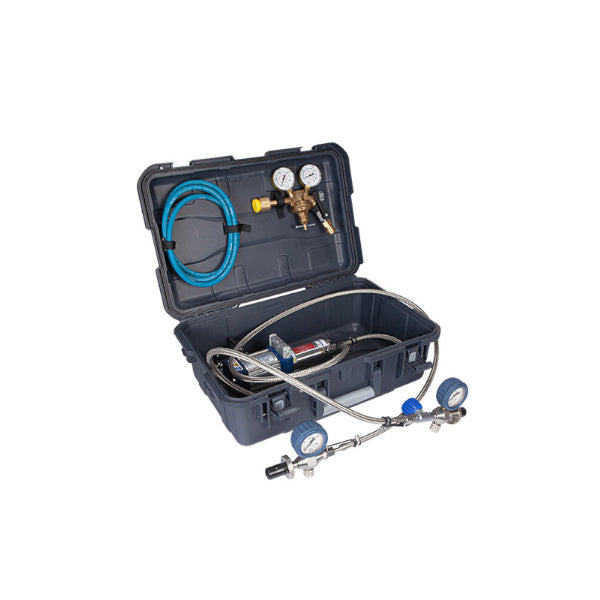
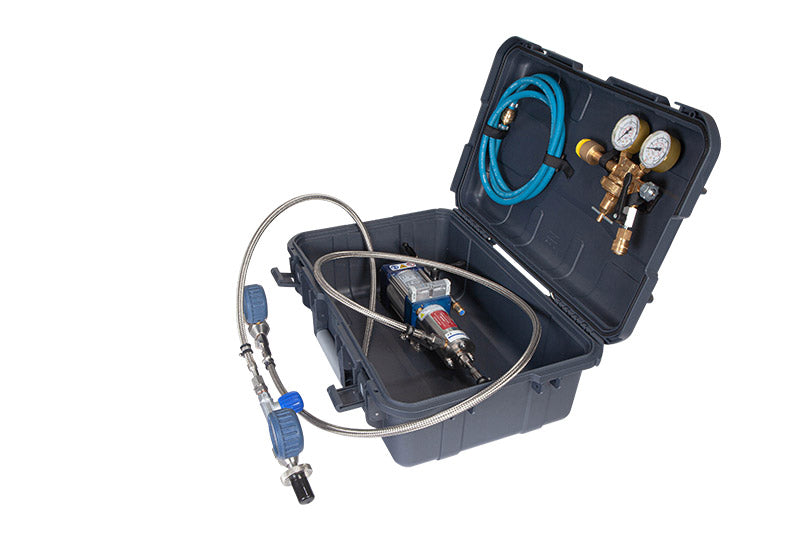
More dive centers now run a single analyzer that reads both gases at once, so there's no need to check the same tank twice. One of those analyzers is NRC's Trimix Analyzer SOLO, which is able to read both gases at once, confirming the full mix before the Trimix cylinder is passed to the diver.
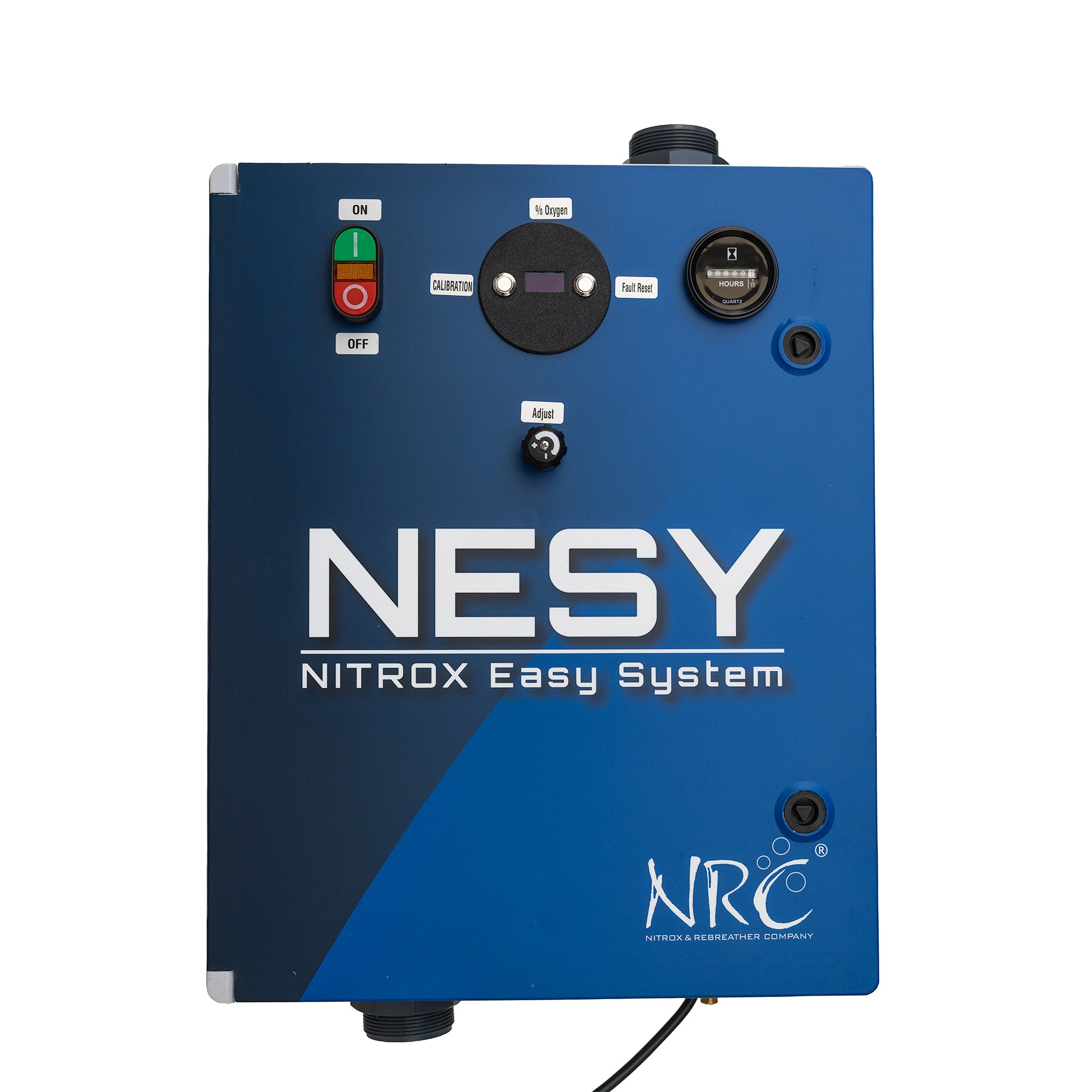
Since 2000, NRC International has supplied dive centers and liveaboards in more than 35 countries with German-engineered gas analyzers, from the PIC O₂ and OxySpy to the Trimix Analyzer.
Explore the NRC analyzer range or contact us to match the right analyzer to the gases you blend!
Frequently Asked Questions
Can an oxygen analyzer measure helium?
No. An oxygen analyzer only measures the oxygen concentration in a breathing gas mixture. It cannot measure helium content. If you are diving with Trimix or another helium-based gas, a helium analyzer is needed to verify the helium concentration.
Can a helium analyzer measure oxygen?
A dedicated helium analyzer reads only helium. Some Trimix analyzers, though, add an oxygen sensor alongside the helium sensor, like NRC's Trimix Analyzer SOLO, so one device can confirm both gases. Check what your analyzer contains before you rely on it for the full mix.
Do I need a helium analyzer for Nitrox?
No. Nitrox contains oxygen and nitrogen, so only an oxygen analyzer is needed to verify the oxygen concentration before diving. A helium analyzer is only required when working with helium-based breathing gases such as Trimix.
Do Trimix divers need both analyzers?
Yes. Trimix has oxygen, helium, and nitrogen, so both the oxygen and helium fractions have to be confirmed. That can be two separate analyzers or one combined Trimix analyzer, as long as both gases are checked before the cylinder is labeled.
How often should an oxygen analyzer be calibrated?
Every time, before each cylinder. Calibrate the analyzer in fresh air, analyze the cylinder, then calibrate again before you move to the next one. Calibrating before every reading keeps the result reliable, since an uncalibrated sensor can drift between tanks.