It is never fun when your boat suddenly develops a problem that forces you into the water. One minute, everything is running smoothly, and the next, you are staring over the side, knowing the only real solution is waiting below the surface.
Holding your breath can be stressful, and putting on full scuba gear for a quick check feels too much. Moments like these make even simple tasks feel complicated.

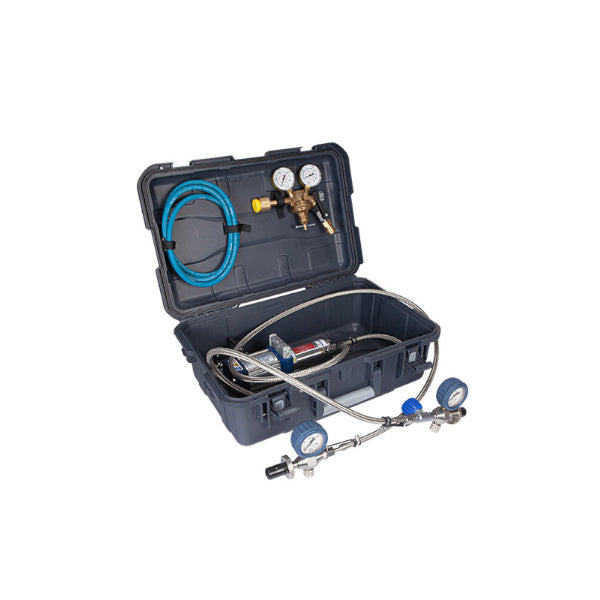
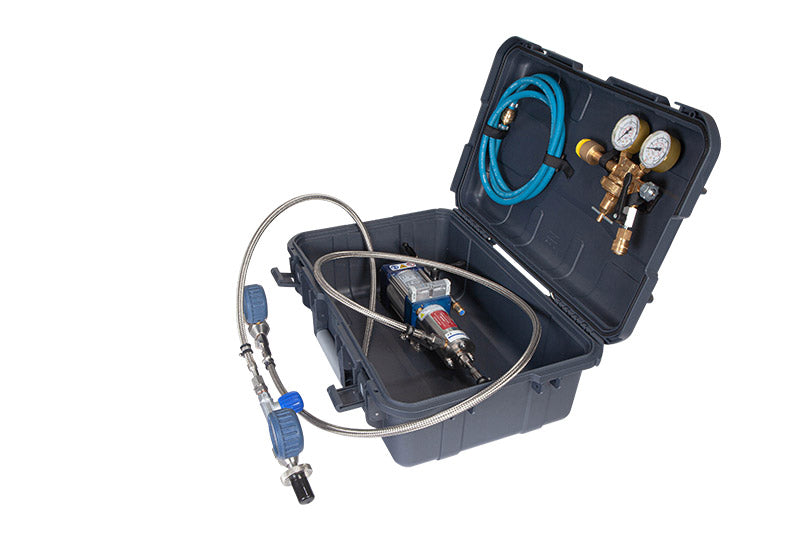
That is exactly where Sail Air can help you. It can give you the breathing time you need for quick, shallow underwater work, so you can stay calm, take your time, and sort out the problem properly.
Below are five hidden underwater hazards that Sail Air can help you fix before they turn into something worse.
1. Propeller Tangles and Snagged Lines

A fouled prop is one of the most common reasons a boat suddenly loses power. Rope, fishing line, plastic bags, and all kinds of debris can wind themselves tightly around the shaft before you even realize there is a problem.
When that happens, the only real solution is underwater, and trying to sort it out on a single breath can be stressful and unsafe, especially when you are reaching around sharp blades in awkward positions.
How Sail Air can help you:
- Gives you the breathing time to work around sharp blades without rushing
- Lets you position yourself safely behind or beside the prop instead of forcing awkward breath-hold angles
- Helps you cut through tight knots or fishing line with steady control so you do not damage the shaft or propeller
A few calm minutes underwater with Sail Air can save you from towing costs, engine overheating, and losing control of your vessel when you need it most.
2. Blocked Water Intakes and Cooling System Obstructions
Your engine relies on clean, unobstructed seawater intakes to cool properly. But it does not take much for these grates to get clogged. Seaweed, sand, plastic sheets, and barnacle growth can block the opening before you even notice a problem on the surface. The engine then starts to struggle, alarms go off, and performance drops fast.
Common signs on the surface:
- Temperature alarms
- Weak or interrupted cooling water flow
- Reduced engine performance
Trying to diagnose this from the deck is frustrating. You cannot see the intake clearly, and holding your breath underwater makes it hard to inspect the grate properly.
How Sail Air can help you:
- Allows you to stay right in front of the intake grate to check for hidden blockages
- Helps you brush away seaweed, sand, and barnacles without the pressure of surfacing repeatedly
- Lets you confirm that water can flow freely again before restarting the engine
A quick underwater check with Sail Air can stop a minor blockage from turning into overheating, stalling, or a full engine shutdown.
3. Anchor Chain Snarls and Keel Wraps
Anchors do not always settle the way you expect. In shifting currents or rocky anchorages, the chain can twist on itself, slip under the keel, or snag on rocks below. When this happens, the anchor may stop holding properly, or you may find yourself unable to retrieve it when you are ready to leave.
These situations can become stressful fast, especially if swell or wind is pushing your boat while the anchor system is stuck.
How Sail Air can help you:
- Gives you time to trace the chain from the bow all the way down to the seabed without stopping
- Helps you free a chain jammed under the keel or caught on rocks without applying risky engine power
- Lets you verify the anchor’s set and reset the connection properly before attempting to retrieve it
Sail Air makes it much easier to sort out a tangled anchor, especially when conditions are busy or uncomfortable around the boat.
4. Hull Damage, Cracks, or Delamination You Can’t See From the Surface
Not all hull damage shows itself right away. Small cracks, delamination, and impact marks can sit hidden below the waterline, especially after bumping into floating debris or brushing the bottom. These issues may look minor at first, but they can grow quickly once the hull is under load.
How Sail Air can help you:
- Lets you move slowly along the hull to spot small cracks or dents that are invisible from the surface
- Helps you inspect hardware such as transducers, through-hull fittings, and rudder posts without hurry
- Gives you enough time underwater to check for delamination or loose plates after a grounding or impact
Taking a calm, thorough look underwater with Sail Air can help you catch early damage before it turns into expensive repairs or serious structural problems.
5. Trapped Mooring Lines and Dangerous Underside Entanglements
Steering problems often come from hazards that drift under your hull. Old mooring lines, loose ropes, or stray straps can wrap around your rudder, stabilizers, or fins without warning. When this happens, your boat may resist turns, respond slowly, or lose steering control completely.
This is very different from an anchor chain problem. Here, the danger comes from losing the ability to manoeuvre the boat, which becomes risky in tight spaces, marinas, or when current or wind is pushing you toward something.
How Sail Air can help you:
- Allows you to get close to the rudder or stabilizers to pinpoint exactly where the line is snagged
- Helps you free thick mooring ropes or straps from steering components with steady, careful movements
- Lets you check for leftover debris that might affect steering once you are back at the helm
Sail Air makes it much easier to clear underwater entanglements safely and keep your steering smooth and predictable.
Why Having Time Underwater Is Everything
Underwater problems have one thing in common: they demand time. When something goes wrong beneath your boat, you need time to understand what happened, time to trace the issue properly, and time to fix it without panicking or rushing.
Breath-hold dives can do the opposite. They make you hurry, guess, and hope for the best, which is the last thing you want when you are dealing with a fouled prop, a blocked intake, or a tangled chain.
Sail Air changes that completely. Unlike breath-holding, Sail Air can give you up to 20 minutes of steady air, which means you have plenty of time to think clearly, check every angle, and sort out the problem at a calm and steady pace.
Explore Sail Air and experience the confidence of having time on your side underwater!