Dive center reputations are built dive by dive. How a cylinder gets filled, how a briefing gets run, and how an emergency gets handled all feed into what guests, training agencies, and the wider diving community think of an operation.
Most of that perception forms around systems the divers might not be familiar with, such as the compressor room, the gas panel, and the maintenance log.
Safety infrastructure is what holds those systems together. The sections below cover how each part protects the reputation that a dive center spends years building.
Why Does Safety Matter for Dive Center?
Reputation in the diving industry is harder to rebuild than to damage. A single incident, whether it stems from contaminated gas or an equipment failure that routine maintenance would have caught, can trigger insurance claims and negative reviews that stick around for years. Proper safety infrastructure is what reduces that risk.
The business case breaks down like this:
-
Diver trust: Consistent safety procedures signal that an operation is well-managed, and divers pick up on that quickly.
-
Legal compliance: Breathing gas standards like EN12021 carry legal weight. Operating outside them creates liability that goes beyond a technical issue.
-
Accident prevention: Most preventable incidents trace back to equipment condition or procedural gaps, both of which proper infrastructure directly addresses.
-
Repeat business: Guests who feel safe come back and refer others. Word of mouth in the diving community travels fast.
-
Partner credibility: Insurance underwriters, training agencies, and charter partners all assess safety standards before committing to a relationship.
The infrastructure that addresses each of those points is what the rest of this article covers.
1. Reliable Gas Production Systems Keep Every Fill Consistent
Breathing gas has to be right every time, not most of the time. When a compressor runs outside its optimal range or a Nitrox membrane drifts from its set oxygen percentage, the error rarely announces itself. Cylinders go out, dives happen, and the problem surfaces after the fact.
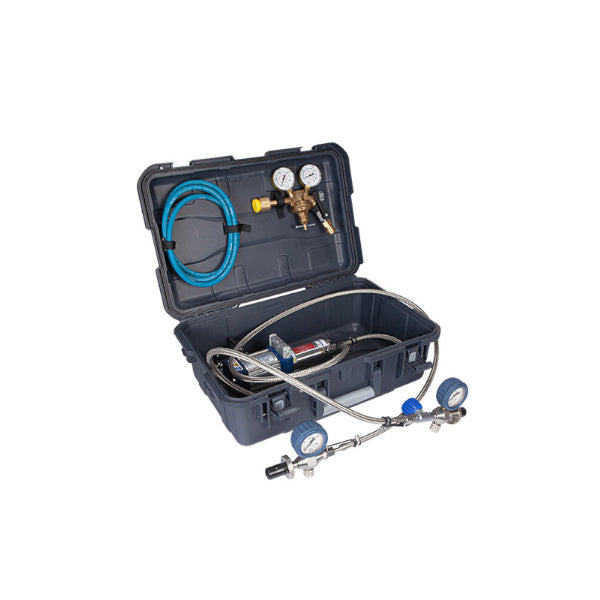
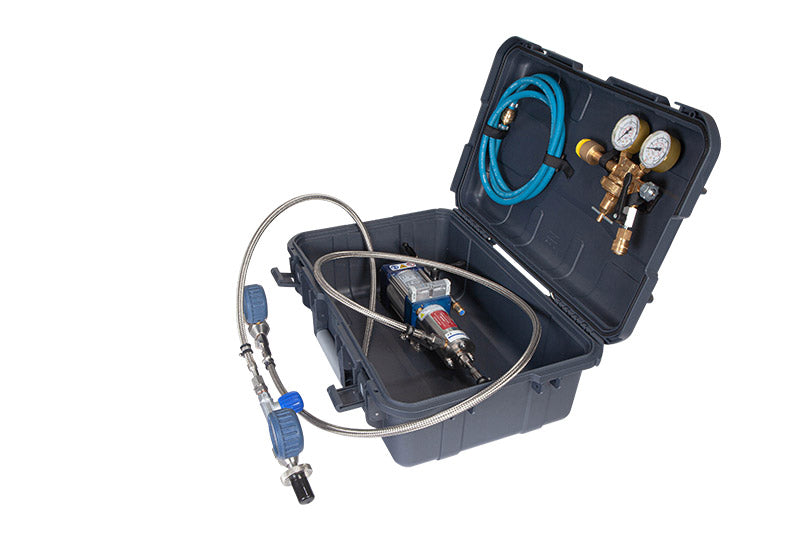
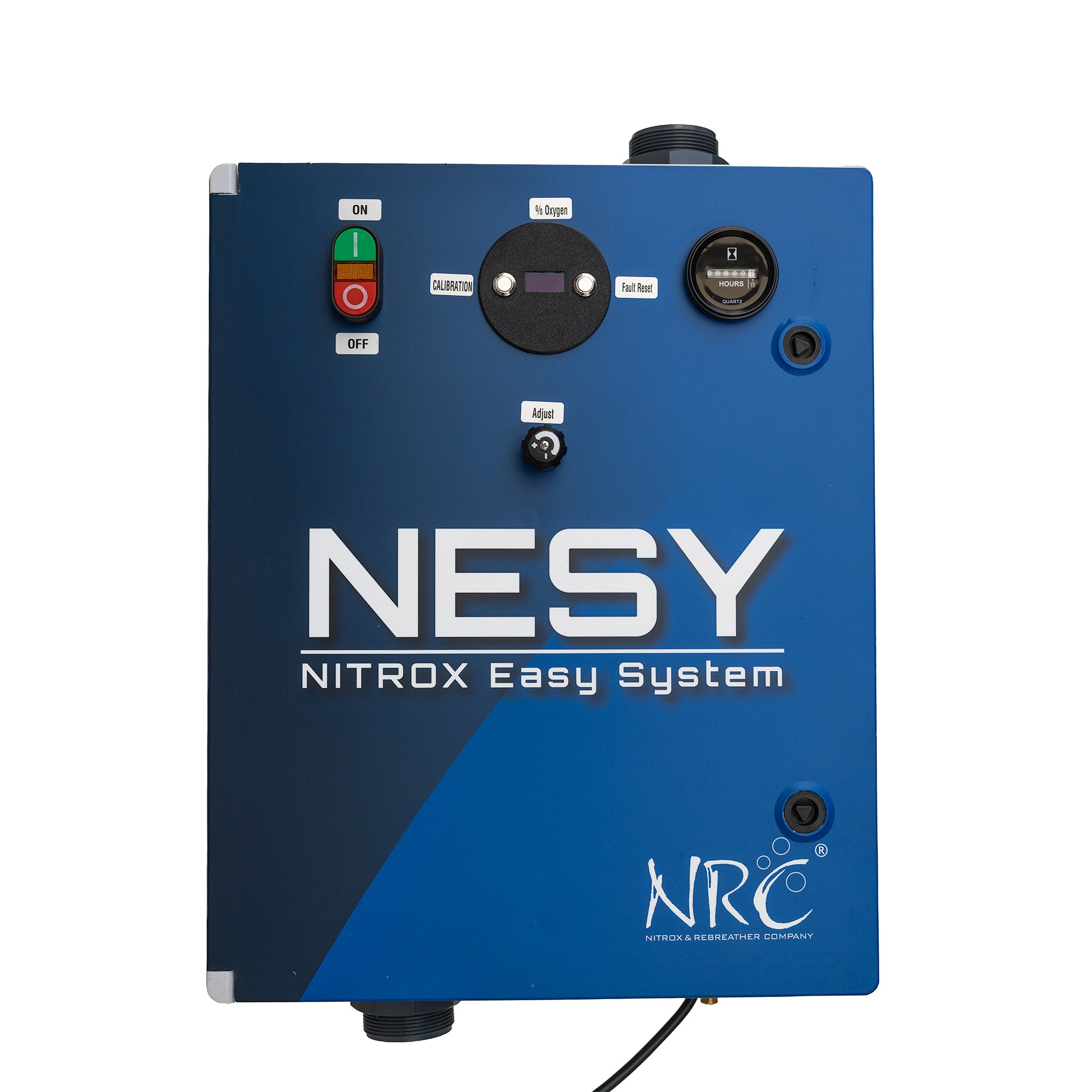
Consistent gas production removes that variable. When the system holds spec across a full day of fills, like NRC's Nitrox systems are designed to do, operators know what is going into every cylinder without having to second-guess it, and that certainty is what keeps divers safe.
2. Gas Verification Catches Problems Before Divers Enter the Water
Producing gas to spec and confirming it are two different things. A fill that looks right can still carry the wrong oxygen percentage, and on a Nitrox dive that gap between intended and actual mix has real consequences for depth limits and decompression planning.
Gas analyzers close that gap by checking every cylinder before it leaves the station. When operators run that check with a reliable analyzer, like NRC's oxygen analyzer built for repeated daily use in working dive environments, they catch any drift before it reaches the diver and log the result as part of a documented safety record.
3. Disciplined Maintenance Prevents Failures Before They Happen
Equipment does not fail randomly. It fails when service intervals get pushed, filter changes get skipped, or small signs of wear get noticed and noted but not acted on. By the time something breaks mid-operation, the warning signs were already there.
Breathing gas standards like EN12021 set the baseline for what clean, safe gas looks like, and meeting them consistently depends on keeping the systems that produce it in good condition. NRC equipment comes with documented maintenance schedules and certified technician support, which means operators have a clear framework to follow rather than guessing when something last got serviced.
4. Diver Tracking Systems Cut Emergency Response Time
No amount of preparation eliminates every risk. Currents shift, visibility drops, and divers surface away from the boat. What separates a well-run operation from one that struggles in those moments is how fast the crew can locate and reach a diver in distress.
The ENOS diver recovery system by NRC transmits a diver's surface position directly to the vessel the moment it is activated, giving crew an exact location instead of a search area. That difference in response time is what turns a serious situation into a manageable one.
5. Visible Safety Procedures Build Diver Confidence
Divers cannot see inside a compressor or read a maintenance log, but they notice everything else. A clean filling station, a crew that runs through gas checks without being asked, equipment that is organized and clearly labeled. These small details tell a diver whether an operation has standards or just equipment.
That perception matters because confidence is what brings guests back. A diver who felt safe and watched the team handle every step professionally will talk about that operation, and that word of mouth is worth more than most marketing efforts a dive center could run.
Is Your Safety Infrastructure Complete?
NRC International has been supplying professional dive operations with gas handling and safety systems since 2000, with equipment now running in more than 35 countries. From Nitrox membrane systems and oxygen analyzers to the ENOS diver recovery system, every product is built around one goal: giving operators the infrastructure they need to run safe, reliable dive programs.
If there are gaps in your current setup, we can help you close them. Contact us today, and let's talk about what your operation needs!