A SailAir tank holds breathing air at up to 207 bar (3000 psi), the same pressure class as a full scuba cylinder, in a body small enough to stow in a locker. That pressure is what lets you clear a propeller or check a hull without hauling out a full set of gear.
This guide will show you how to use a Sail Air and its short routine step by step.
Step 1: Inspect the SailAir Before Use
Begin by checking that the cylinder, regulator, hose, threads, valves, pressure gauge, and filling connection show no visible damage, unusual wear, or signs of leakage. Confirm that the main valve turns normally and that all required components are present.
Do not use the unit if anything appears damaged, incomplete, or unreliable. SailAir should not be filled or used after exposure to an open flame or temperatures above 40°C.
Step 2: Assemble the Regulator
Remove the dust cap and inspect the threads on the cylinder and first-stage regulator for any signs of damage. Put the regulator together before attaching it to the tank, then tighten the first-stage regulator, second-stage regulator, and medium-pressure hose to each other first, then screw the first-stage regulator onto the cylinder valve.
Step 3: Fill with Approved Breathing Air

SailAir can be refilled in three ways:
-
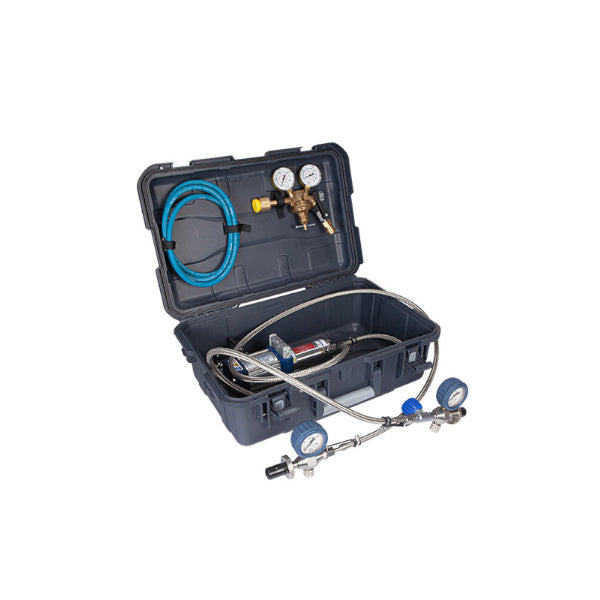
Nano HP compressor: The compressor fills the SailAir cylinder directly through a compatible filling hose and quick-coupling connection.
-
Standard scuba cylinder: Breathing air is transferred from a larger scuba cylinder through the specified refill adapter. The cylinders will move toward pressure equalization, and the SailAir pressure must remain below its maximum limit.
-
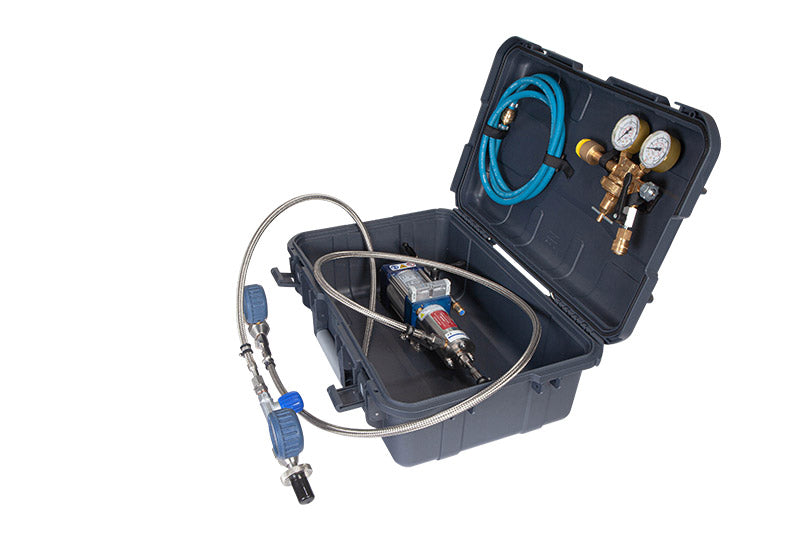
High-pressure hand pump: The dedicated pump connects to the SailAir quick-coupling filling port and compresses ambient air manually. Its filter must be maintained according to the manufacturer’s instructions.
Each method has a different connection, filling, and pressure-release sequence. Follow the complete instructions in the SailAir or Nano HP manual and refer to our separate guide on how to fill a SailAir tank.
Step 4: Open the Main Valve and Breathe
Once the unit is correctly assembled and filled, check the indicated pressure and confirm that the regulator is functioning normally. Open the main valve and breathe through the second-stage mouthpiece.
Remain within your training, planned activity, and the limitations of the equipment. Do not continue if breathing resistance, leakage, unusual sounds, or any other abnormal performance is noticed.
Step 5: Clean and Store the SailAir
After use, rinse the cylinder exterior and first-stage regulator with fresh water, then dry them thoroughly. Store it somewhere cool, never in a hot space or inside your car.
For normal storage, leave around 30 bar (435 psi) of pressure and do not store the cylinder completely full. Never apply household oil, motor oil, or another hydrocarbon-based lubricant to the equipment.
Arrange Regular Professional Service
Have the SailAir serviced once a year by an authorized SailAir dealer or by NRC International. The hand pump needs the same yearly service. The cylinder also needs its own inspection, inside and out, for corrosion, dents, cracks, and other damage at two years and again at four.
Do not attempt to repair the SailAir yourself. If you find damage, wear, a suspected leak, or a missing part, stop using it and have an authorized service provider look at it.
How to Travel with the SailAir
For commercial air travel, the cylinder has to be completely empty and separated from the regulator. Empty it by pressing the pressure relief valve until no more air comes out, then unscrew the regulator from the cylinder.
Pack the parts in a protective container, either a plastic bag or the SailAir travel pack, which is sold separately. It can go in checked or carry-on luggage, though airline rules vary, so check with yours before you fly.
At your destination, reassemble the unit and fill the cylinder. You can lightly grease the tank O-ring with silicone while you do.
Keep Your SailAir Ready to Use

Kept to this routine, a SailAir stays ready between jobs. The part worth settling in advance is how you will refill it, because each filling method needs its own equipment.
Since 2000, NRC International has built German-engineered breathing gas equipment used in over 35 countries, and that includes SailAir along with the pumps, adapters and compressors that fill it.
Explore the SailAir by NRC or contact us if you need help matching a filling setup to the way you use it.