If you dive often enough, the thought tends to arrive on its own. What if the shop you keep handing your money to was yours instead? Your own center, your own boat heading out each morning. But could it actually be profitable?
It can, though profit rarely came from just selling diving gear. The real money is in service revenue, repeat divers, and keeping costs under control. Here is what a dive center actually earns, what it keeps, and what to keep in mind before you open one of your own.
Quick Answer: Is Owning a Dive Center Profitable?
Yes, owning a dive center can be profitable, but success depends more on service revenue, customer retention, and operational efficiency than on equipment sales.
The most profitable dive centers typically combine training, guided diving, equipment servicing, memberships, and gas fills while keeping operating costs under control.
How Much Revenue Does a Dive Center Generate?
There is no single number that fits every dive center, because a tropical reef shop and a cold inland lake operation face very different costs and demand. So treat any benchmark as a reference point, not a target.
That said, the Business of Diving Institute's 2024 survey can be a useful anchor. According to the survey, the average local dive shop earned about $541,200 a year in the US and around $439,771 in Western Europe.
However, do take into mind that survey respondents skew toward larger, established shops, and that sales are not profit. What you keep depends on your location, your services, and how tightly you run the place.
What Are the Most Profitable Revenue Streams for a Dive Center?
To run a profitable dive center, a few revenue streams matter far more than the rest. Ranked by their share of total revenue, they are:
-
Training and certifications: the largest revenue source based on the survey, near 32% of US sales and 37% in Western Europe. Courses bring divers in, which leads to more training and more sales.
-
Equipment sales: important but increasingly competitive. Based on the survey, equipment accounts for about 27% of revenue for US shops and 28% for Western European shops, but that share is slipping as divers buy more from online sellers.
-
Guided diving and charters: selling the experience, not just the gear. US shops lean more on fly-away travel (14% of sales), while European shops do more diving off their own boats (9% versus 4% in the US). Day trips add a smaller, steady 2% on both sides.
-
Equipment servicing: regulator service, cylinder inspections, and valve work are recurring, less seasonal than tourism, and bring customers back into the shop.
-
Gas fills and Nitrox: steady, recurring revenue that anchors the whole center. At about 5% of sales (2024 survey), fills won't be your biggest line, but they're essential. A shop that can fill tanks keeps divers coming back in, and every visit is a chance to sell training, gear, and travel.
So the steady profit tends to live on the services divers can only get from you, while the gear on the shelf does more to pull people in than to pay the bills. Growing each stream is a job in itself, which we walk through in How Dive Centers Increase Revenue.
Can You Make a Living Owning a Dive Center?
In practice, plenty of owner-operated centers can pay their owners a full-time wage, though it's far from guaranteed. What makes the difference usually isn't luck. It tends to come down to location, season, steady demand, and whether you build several income streams instead of leaning on just one.
Just go in clear-eyed that this is a hands-on business. Think of it as six businesses under one roof: retail, training, travel, servicing, boat diving, and the fill station, each expected to pay its own way rather than lean on the others.
Why Operating Costs Decide Your Profit
Revenue gets all the attention, but the gap between a good year and a flat one usually sits on the cost side. The costs you can actually control come down to a handful:
-
Energy
-
Gas losses
-
Maintenance
-
Equipment downtime
And they all land in the same room, the fill station. An inefficient compressor burns money on every cycle, vented helium is gone for good, and an off-target mix has to be bled down and filled again. Worse still, a compressor that quits doesn't cost you one sale; it can cancel every fill, course, and dive that depended on it that day.
That is where the right gas equipment earns its keep:
-
Breathing-air compressor: fills your diving cylinders and powers a gas booster, and on a maintenance schedule, it runs efficiently and keeps downtime risk low.
-
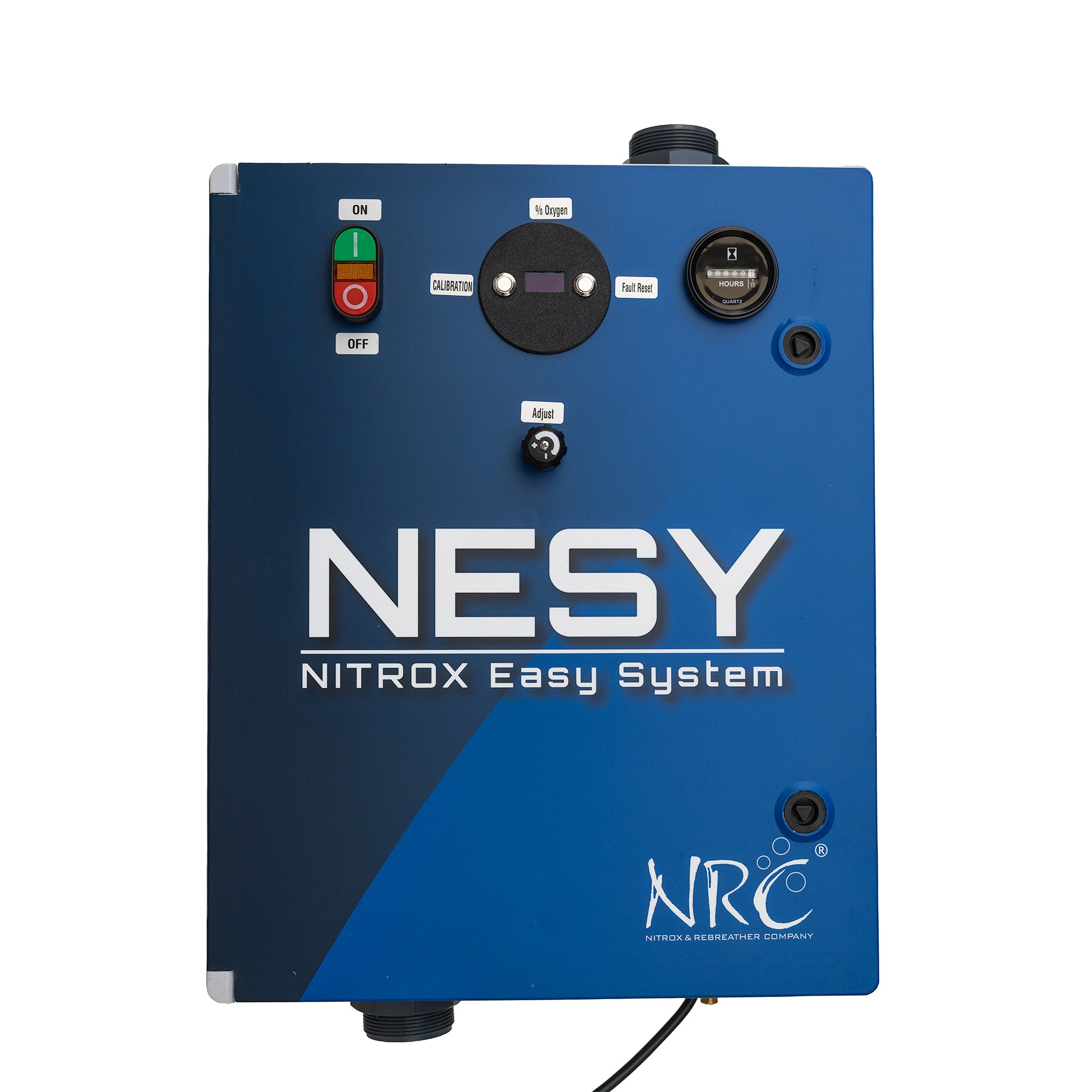
Nitrox membrane system: blends nitrox without a pure-oxygen cylinder, which saves you the cost and hassle of buying and storing O2.
-
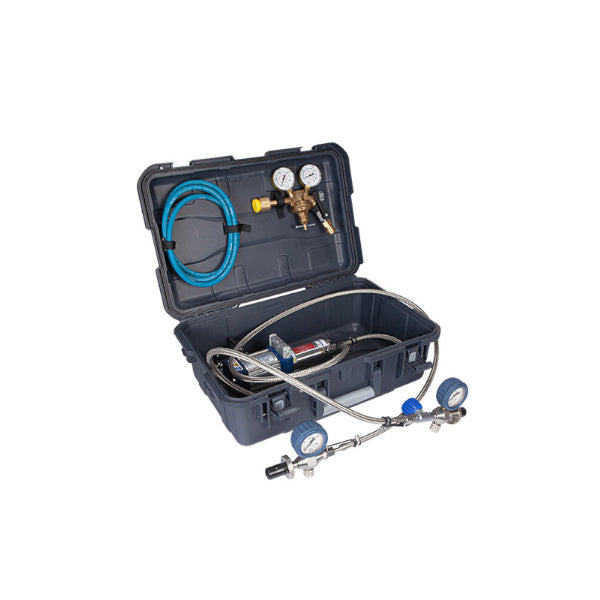
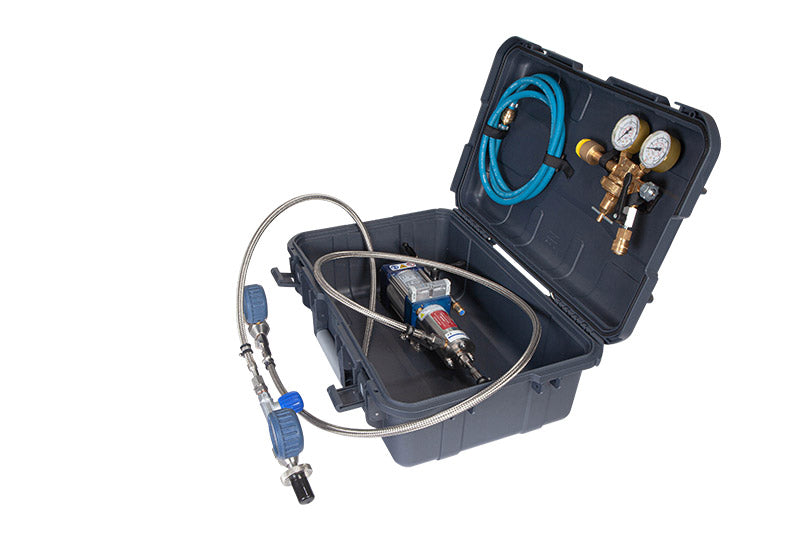
Booster pump: recovers expensive gas instead of venting it, cutting waste significantly.
-
Oxygen analyzer: checks that every mix is correct, so bad blends get caught before a tank goes out and wasted refills stay rare.
We cover how to trim each of these in 8 Ways to Reduce Dive Center Operating Costs.
A Profitable Center Starts in the Fill Room

Owning a dive center can pay, but rarely from the gear on the shelf. It comes from managing both sides of the ledger, and much of that cost control lives in the fill room.
Since 2000, NRC International has supplied dive centers and liveaboards in more than 35 countries with German-engineered Nitrox membrane systems, compressors, TEC gas boosters, and gas analyzers built to last.
If you want your fill room working for your profit, contact us to match the right setup to your center!
Sources:
- Business of Diving Institute, Benchmarking Local Dive Shops (2024 SOTI survey) (https://www.businessofdiving.com/benchmarking-dive-shops-usa-europe) ,
- Redesigning the Scuba Diving Industry Business Model (https://www.businessofdiving.com/redesigning-new-scuba-industry-business-model)