Is Nitrox safer than air, or is its reputation shaped by how and where it is used?
Nitrox reduces nitrogen intake, which can help manage decompression stress, particularly during repetitive diving on liveaboards and multi-day trips. This benefit is a key reason it has become widely adopted across professional dive operations.
However, like any breathing gas, Nitrox comes with specific parameters. Its higher oxygen content requires clear depth and exposure planning, as well as correct analysis and dive computer settings. When these procedures are followed, Nitrox supports well-structured and efficient dive profiles.
Used correctly, Nitrox can be a valuable tool in modern diving. Understanding its characteristics and applying established best practices allows divers and operators to take full advantage of its benefits.
What is Nitrox?
Nitrox refers to any gas mixture composed of nitrogen and oxygen. In the context of scuba diving, it is commonly used to describe “Enriched Air”, which contains a higher oxygen content than regular air. While normal (or atmospheric) air contains about 21 percent oxygen, the Nitrox blends used by divers increase that percentage and reduce nitrogen accordingly.
In recreational scuba diving, the most commonly used mixes are EAN32 (32% Oxygen) and EAN36 (36% Oxygen). These blends lower the amount of nitrogen a diver breathes at depth, which reduces nitrogen uptake in the body. This allows for longer underwater dive times by reducing decompression requirements, though it also requires divers to manage the increased risk of oxygen toxicity.
To understand why Nitrox can reduce some risks while introducing others, it is important to look at how it differs from regular air in practical diving terms.
What is the Difference Between Nitrox and Regular Air?
The difference starts with what you are breathing.
Regular air contains approximately 21% oxygen, 78% nitrogen, and 1% other trace gases.
Enriched Air Nitrox uses the same gases but increases the oxygen content above 21 percent.
Breathing less nitrogen changes how your body responds during a dive. Nitrogen builds up more slowly in your tissues, which can reduce decompression stress over multiple dives. This is where Nitrox offers its main advantage.
But that advantage comes with tighter limits. Higher oxygen levels mean shallower maximum depths and stricter exposure control. When you dive Nitrox, depth, time, and correct gas settings matter more, not less.
When Should You Use Nitrox?
Nitrox offers a significant decompression advantage over air, making it an ideal choice for specific dive profiles. While the source notes it isn't "safer" in every single respect due to oxygen limits, it is an incredible asset when used correctly:
-
Repetitive diving: Reduced nitrogen uptake means less "nitrogen debt" building up in your system over multiple dives, making it a favorite for liveaboards and dive vacations.
-
Moderate-depth profiles: Dives that remain well within the Maximum Operating Depth of the Nitrox blend benefit without approaching oxygen exposure limits.
-
No-decompression dives: Nitrox is safer when dive time is limited by nitrogen loading rather than depth.
By managing depth and gas settings, you can harness the benefits of Nitrox to make your diving more efficient and reduce your overall nitrogen-related stress.
What Are the Risks of Using Nitrox?
The benefits of reduced nitrogen come with the trade-off of increased oxygen, which introduces risks that are not as prominent when diving on air.
1. Oxygen Toxicity Risk
Oxygen toxicity risk happens when the partial pressure of oxygen (Pₒ₂) becomes too high during a dive. As a diver descends, pressure increases, and when breathing Nitrox, the higher oxygen content causes Pₒ₂ to rise faster than it does with air, reaching safe limits at shallower depths.
According to the Divers Alert Network (DAN), exceeding recommended Pₒ₂ limits, typically 1.4 bar for active Nitrox diving and up to 1.6 bar as a short-duration maximum, can trigger central nervous system (CNS) oxygen toxicity.
This condition is unpredictable and may occur without warning, leading to a sudden convulsive seizure. Underwater, such seizures are especially dangerous due to loss of airway control and an increased risk of drowning.
2. Reduced Maximum Operating Depth (MOD)
Because of the increased oxygen toxicity risk, every Nitrox blend has a Maximum Operating Depth that is shallower than air. Exceeding the MOD significantly increases the risk of oxygen toxicity.
-
EAN32 MOD ≈ 34 msw (111 fsw) at a Pₒ₂ of 1.4 bar
-
EAN36 MOD ≈ 29 msw (95 fsw) at a Pₒ₂ of 1.4 bar
Diving air on a deep profile may be the more appropriate choice if the planned depth exceeds the MOD of the available Nitrox.
3. Human Error Risk
Most Nitrox-related incidents are caused by procedural mistakes rather than equipment failure. Common mistakes include:
-
Failing to personally analyze the oxygen percentage in a cylinder.
-
Setting the dive computer to an incorrect oxygen percentage.
-
Assuming a tank's label is correct without verification.
This is why O₂ analysis is critical for diver safety and must be a non-negotiable step.
Common Misconceptions About Nitrox
Nitrox is often associated with a number of assumptions. Below are some common misconceptions, along with a clearer explanation of how this gas is actually used in diving.
1. Nitrox Is Always Safer Than Air
When Nitrox oxygen limits are exceeded, the risk of oxygen toxicity increases significantly. While air avoids this specific risk, deep dives on air still carry substantial hazards and are not considered safe; mixed gases are the appropriate choice for depth.
2. Analyzing Nitrox Is Optional
Gas analysis is a mandatory safety step. Relying on a label or assuming a cylinder contains the correct blend without personal verification removes a critical layer of safety while diving.
3. Nitrox Allows Deeper Dives
Nitrox does not increase maximum depth. Higher oxygen content directly correlates with a reduction in the allowable depth compared to air due to oxygen toxicity limits.
4. Dive Computers Make Nitrox Foolproof
A dive computer is only as accurate as the information entered into it. Incorrect oxygen settings or failure to update gas mixes can lead to dangerous miscalculations.
5. Nitrox Prevents Decompression Sickness
Nitrox can reduce nitrogen loading, but it does not eliminate decompression sickness (DCS) risk. Divers can still experience DCS when using Nitrox.
So, Is Nitrox Safer Than Air?
Nitrox can offer meaningful benefits when used in the right context. Reducing nitrogen exposure may help manage decompression stress, particularly on repetitive dives, while also requiring divers to operate within clearly defined depth and oxygen limits.
When Nitrox is properly analyzed, correctly set on the dive computer, and used within its Maximum Operating Depth, it supports safer and more efficient dive planning. As with any breathing gas, understanding its characteristics and applying appropriate procedures is key to getting the most out of it.

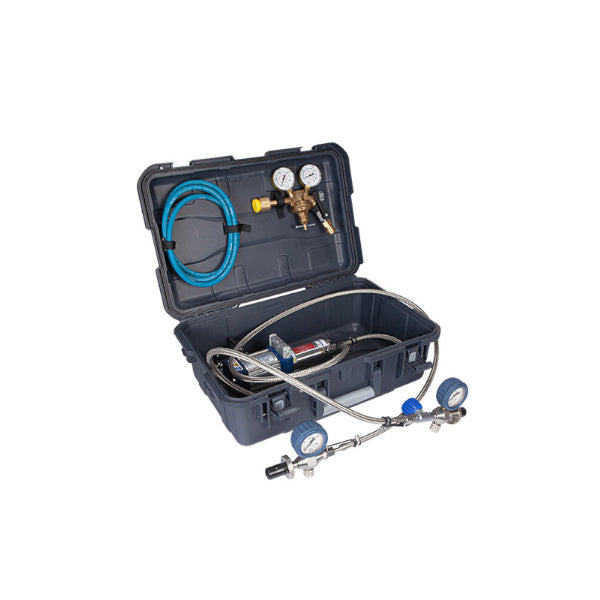
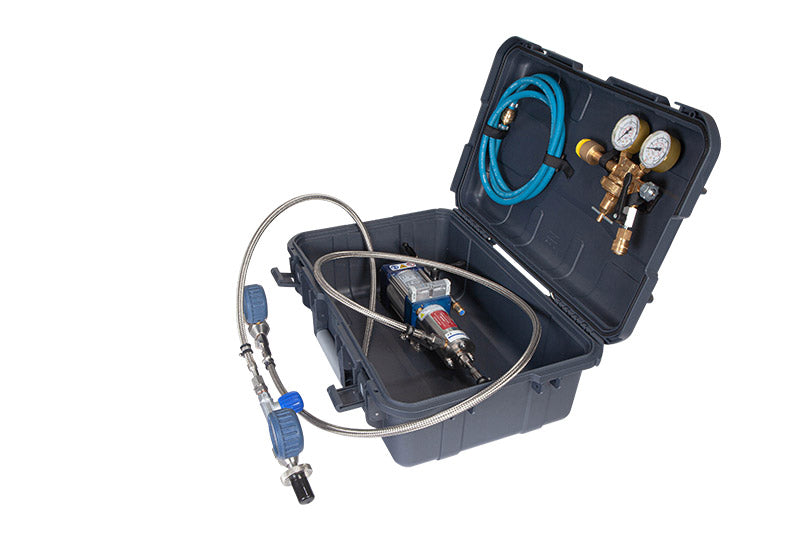
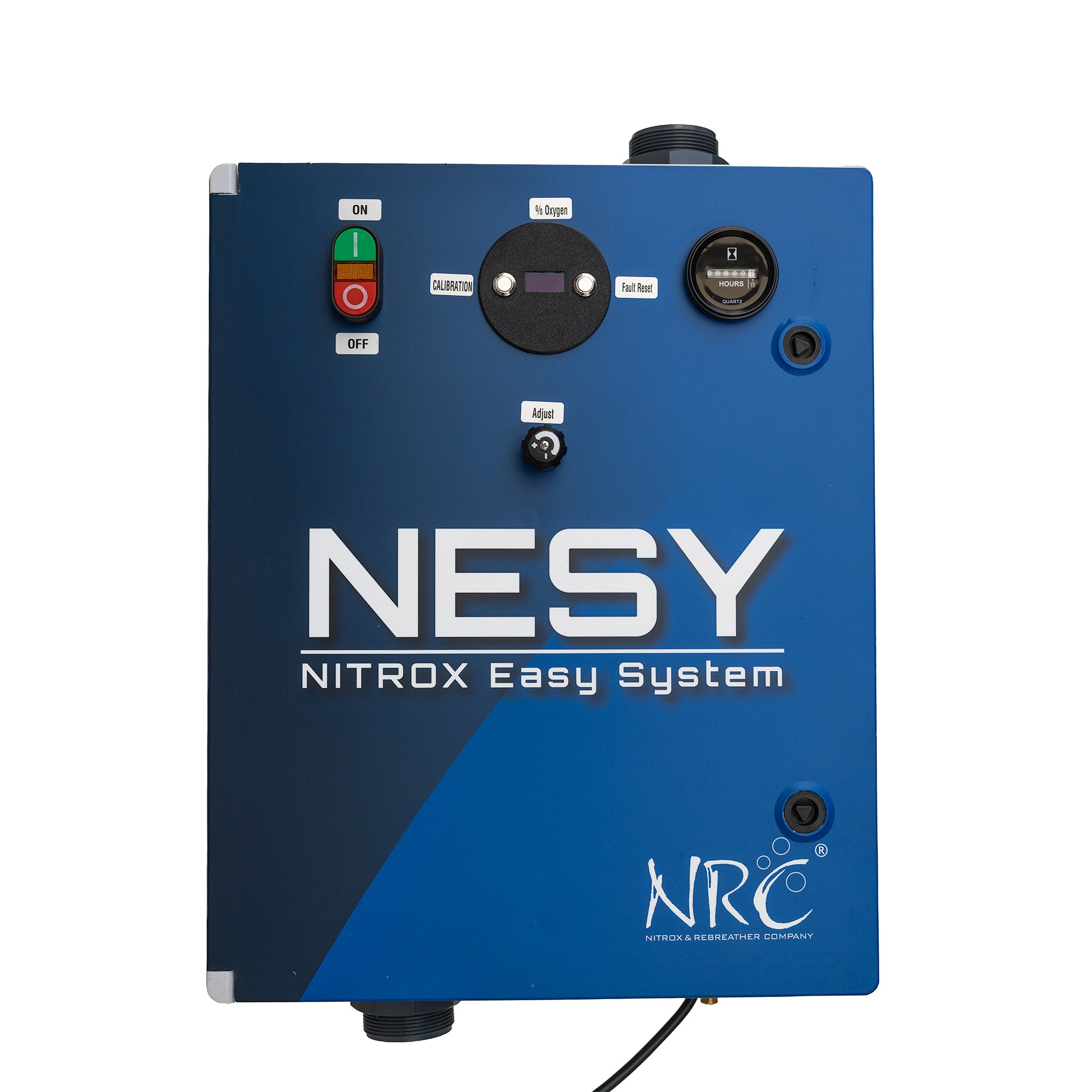
For dive operations looking to offer Nitrox with greater flexibility and control, NRC’s membrane systems allow dive operations to produce consistent Nitrox safely and efficiently, supporting safe, efficient operations without reliance on pre-filled cylinders.
Frequently Asked Questions
1. Can Nitrox cause oxygen poisoning?
Yes. If the Maximum Operating Depth (MOD) or oxygen exposure time limits are exceeded, Nitrox can cause oxygen toxicity, which is extremely dangerous underwater.
2. Is Nitrox safer for beginners?
Nitrox can be used safely by newer divers after completing appropriate Nitrox certification. As with any breathing gas, understanding the required procedures and applying them correctly is essential.
3. Does diving Nitrox require special equipment?
For Nitrox blends up to 40% oxygen, standard scuba equipment is generally considered acceptable, provided it is kept clean and maintained for oxygen service according to manufacturer guidelines.
4. Should Nitrox be used on every dive?
No. It should only be used when the dive profile benefits from it and stays within the MOD of the gas.
5. Can a diver get DCS on Nitrox?
Yes. Nitrox reduces the risk of decompression sickness by lowering nitrogen exposure, but it does not eliminate the risk entirely.
The safety of any dive depends less on the gas in the cylinder and more on the training, planning, and discipline of the diver using it. Nitrox is a powerful tool for managing nitrogen exposure, but it is not a safety shortcut.