Working with oxygen at high pressure demands a complete commitment to safety. Oxygen becomes incredibly reactive when compressed, and even a tiny amount of oil, dust, or heat can lead to a dangerous situation. That is why operators must rely on systems that are designed with safety at their core.
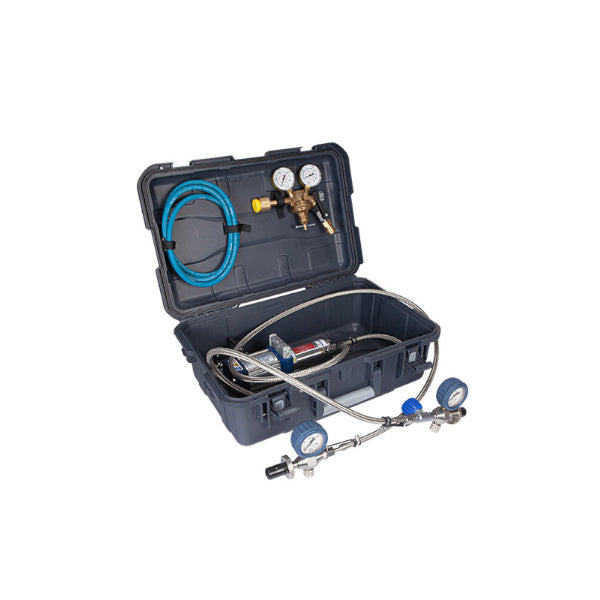
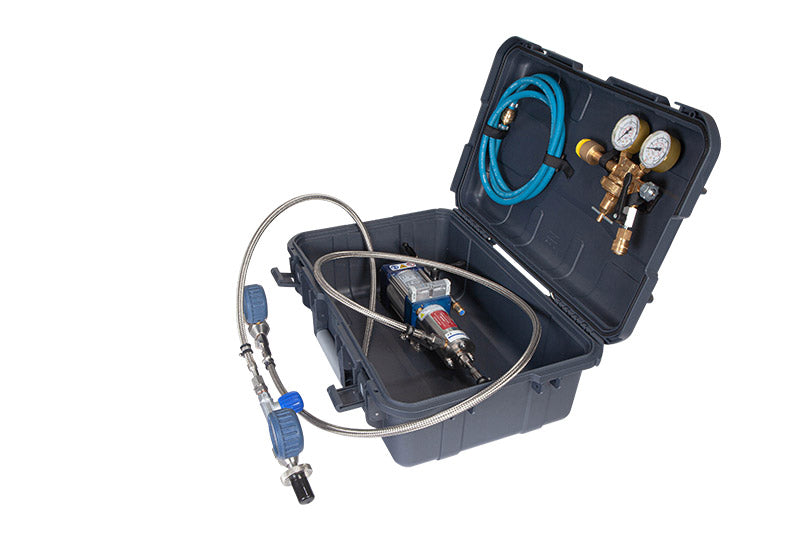
The NRC TEC Booster was created with this mindset.
In this article, you will discover what makes the TEC Booster a trusted solution for safe oxygen handling and the standards that guide every fill and every operation.
How NRC Reduces Ignition Risks Through Design
NRC prevents ignition risks by controlling every factor that influences heat, pressure, and contamination inside the booster. These safety measures start at the material level and continue through the cooling system and pressure protections built into each unit.
1. Oxygen-clean components
All parts that come into contact with oxygen are cleaned to remove oil, grease, dust, and other contaminants. This follows the oxygen-cleaning guidelines defined in the NRC manual, ensuring all gas-path components remain free of ignition-promoting materials.
2. Oxygen-compatible materials
Only pressure-rated, oxygen-safe metals and polymers are used in the booster’s construction. The NRC manual specifies that all materials must be certified for pressure resistance and full oxygen compatibility to prevent self-ignition under high pressure.
3. Automatic pressure protections
Every TEC Booster includes overpressure safety valves that open automatically if internal pressure exceeds safe limits.
- Overpressure protection of the control air: opens above 10 bar.
- Overpressure protection of high-pressure piping: opens at 220 or 330 bar, depending on model.
How to Operate the Booster Safely
An oxygen booster is built for safe, reliable use, but it still needs careful handling. NRC’s operating guidelines are designed to protect you from the main risks in high-pressure oxygen systems, especially heat buildup and contamination.
Here’s what every trained operator should keep in mind during operation:
1. Open valves slowly
Valves must always be opened gently and evenly. Rapid opening causes a sudden temperature rise, which could lead to fire or damage to the booster pump.
2. Let the booster pump flow very slowly
When transferring or “overflowing” gas between cylinders, the pressure increase must stay within safe limits. The flow rate must not exceed 25 bar per minute. This prevents pressure shocks that might cause valves from "fluttering" and fast wear of the check valves.
3. Monitor heat during operation
Compression naturally creates heat, so operators must watch outlet temperatures. As a result, the surfaces near the booster pump outlet should not exceed safe limits. When temperatures rise too high, the seals face added stress, and the risk of ignition increases. To prevent this, keep the outlet temperature below 60 °C to reduce seal wear.
4. Use the booster in a clean and safe area
The working area must be clean, dust-free, dry, and well-ventilated. Oxygen-rich spaces ignite easily, so keep all combustible materials far away. Only trained personnel should be present in the operating zone to maintain safety and control during use.
5. Remove all ignition sources
Smoking, open flames, hot tools, and anything that can spark must be kept at least 10 meters away from the booster and oxygen cylinders. Even static discharge can ignite oxygen-enriched clothing or materials, so oxygen-exposed clothing should be ventilated in fresh air for about 15 minutes before being removed. This will allow the absorbed oxygen to disperse safely.
6. Ensure Only Qualified Personnel Operate the Booster
Only trained operators may use the TEC Booster, and service work must be handled by certified technicians familiar with oxygen-clean procedures and relevant standards. Untrained personnel should remain outside the operating area so the workspace stays safe, supervised, and free from unnecessary risks.
For complete guideline, check or download the pdf manual user TEC Booster.
How to Maintain Oxygen-Clean Safety
Keeping the booster safe over time depends on maintaining its oxygen-clean condition. Even small amounts of contamination can increase the risk of ignition, so it’s important to keep every part of the system clean, oxygen-compatible, and properly maintained.
Follow the steps below to maintain the cleanliness of your booster and keep it operating safely over time:
1. Use oxygen-compatible lubricants
Standard oils or greases should never be used when maintaining a TEC Booster, as they are not safe for high-pressure oxygen environments. The system must be lubricated only with oxygen-compatible products, which are formulated to remain stable and reliable under oxygen service. For proper maintenance, an approved oxygen-compatible grease such as NRC Oxygen Grease is recommended to prevent unwanted reactions and keep the booster operating safely.
2. Protect the system from contamination
The booster operates most safely when all components remain clean and free from contaminants. Foreign matter like dirt, fibres, or solvents can increase ignition risks, so working in a clean environment will help protect the system. If parts need to be disassembled, make sure to reassemble them using oxygen-clean techniques to keep the booster in the condition it needs to operate safely over time.
3. Follow the correct service schedule
Regular servicing will help the booster stay reliable throughout its lifetime. Follow this timeline to make sure your booster is maintained properly:
- Monthly: Operators can check the unit and make sure connections are secure.
- Annually: A certified technician should perform a full inspection and service.
- Every 3 years: A more detailed major service is required, also performed by a certified technician.
Operators can handle routine external checks, while more complex internal work is best left to trained technicians who are familiar with oxygen-clean practices.
Choose Equipment Built for Oxygen Safety
Safety is at the center of every NRC TEC Booster. Each unit is built with oxygen-clean materials and controlled operating standards to deliver stable, reliable performance. Professionals around the world have chosen NRC and removed their uncertainty while keeping their workflow safe.
If you want a booster that puts safety first, choose equipment engineered for long-term reliability. And if you are new to oxygen systems, we provide complete operator and service training so you can handle and maintain your TEC Booster with confidence.
Upgrade your operation with the TEC Booster and see how safe oxygen handling can truly be!
Frequently Asked Questions
What is the primary risk of operating an oxygen booster?
The primary risk is fire. High-pressure oxygen acts as a powerful accelerant, which can cause common contaminants (like oil, grease, or dust) and/or other incompatible materials to ignite violently, especially when subjected to heat from a pressure surge.
What does "oxygen clean" mean?
"Oxygen clean" is a technical state of cleanliness, not just visible cleanliness. It means a component is certified free of all hydrocarbons (oils, greases, solvents), particulate matter (dust, dirt, fibers), and other contaminants that could act as fuel in an oxygen-rich environment.
Who is qualified to operate an NRC TEC Booster?
The booster should only be operated by personnel who have completed NRC International’s Booster Operator Training and have been properly instructed on the unit’s operation. This is to ensure they understand the system, recognise potential risks, and are prepared to use the booster safely and effectively.