Propeller fouling rarely happens at the dock. It happens underway, often far from assistance. A wrapped fishing line, stray rope, or dense kelp can stop propulsion instantly and leave a vessel drifting.
In these moments, control becomes the priority. Leaning over the stern is unsafe. Breath-holding is unpredictable. Full scuba gear is often impractical on board.
This is where a compact boat emergency air system changes the equation. Instead of improvising under pressure, you gain time and stability underwater.
Let’s look at how Sail Air helps you handle a fouled propeller safely and efficiently.
The Danger of a Fouled Propeller
A fouled propeller may seem like a minor problem at first. However, once propulsion stops, control changes immediately. In current or swell, even a short drift can put the vessel in an uncomfortable position.
What can follow is usually predictable:
-
Loss of Maneuverability: Without thrust, the boat may drift toward rocks, shallow areas, traffic lanes, or other hazards.
-
Drivetrain Stress: A wrapped prop puts a heavy load on the shaft and seals, increasing the chance of damage or water ingress.
-
Engine and Gearbox Strain: Applying throttle against an obstruction can lead to overheating or unnecessary mechanical wear.
Clearing the obstruction quickly and safely keeps a manageable issue from becoming an expensive one.
Why Traditional Responses Fail
When a propeller becomes fouled, tangled, or clogged, most boaters rely on one of three common responses. The issue is not effort. It is practicality and safety when the vessel is drifting.
Typical reactions include:
-
Leaning Over the Stern: Trying to reach a tangled or clogged prop from above limits visibility and control. In current or swell, the footing becomes unstable, and the risk of falling overboard increases.
-
Breath-Holding Dives: Free diving to clear fishing line, rope, or kelp may seem simple, but cold water, stress, and physical exertion quickly reduce breath time. Rushing increases fatigue and decreases awareness.
-
Full Scuba Gear: Scuba equipment works, but it requires storage space, setup time, and familiarity. For most boat owners, assembling full dive gear during an unexpected situation is inconvenient and slow.
In most cases, clearing a fouled or tangled propeller is a short, shallow task. What makes it difficult is the lack of a simple, purpose-built solution.
What Is Sail Air?
Sail Air is a compact boat emergency air system designed for short, shallow underwater tasks. It is not recreational dive gear. It is a purpose-built tool for situations like clearing a fouled, tangled, or clogged propeller.

Most prop entanglements happen in shallow water and take only minutes to resolve. The challenge is not depth. It has a reliable air supply without the complexity of full scuba equipment.
Sail Air fills that gap with a simple, self-contained system that provides controlled breathing when you need it most.
How Sail Air Keeps a Manageable Problem from Escalating
When a propeller is fouled or tangled, the real issue is not depth. It is time and control. Sail Air provides a steady air supply so you can work calmly instead of rushing.
Here is how it makes a difference:
1. 10-20 Minutes of Calm
With a controlled air source, you are no longer limited by a single breath. This allows you to inspect the propeller properly, identify where the line or debris is wrapped, and use both hands to clear it safely. You can confirm the shaft is fully clear before restarting the engine.
2. Simplified Equipment Handling
Unlike full scuba gear, Sail Air is compact and streamlined. Sail Air keeps it simple without the heavy weights or complex setup procedures to manage. You focus on the task, not on managing dive equipment.
3. Useful Beyond Emergencies
Sail Air is not only for propeller issues. It is also practical for routine shallow-water tasks such as:
- Zinc or Anode Replacement: Replace anodes without hauling the vessel.
- Hull Inspection: Check for impact damage after a grounding or unusual vibration.
- Clearing Intakes: Remove debris from thrusters or through-hull fittings.
By giving you controlled breathing in shallow water, Sail Air turns short underwater jobs into manageable tasks rather than rushed improvisations.
Note: Always shut down the engine completely before entering the water. Ensure the vessel is stable and conditions are safe before attempting any underwater work. Sail Air is designed for shallow tasks and should be used within its intended operating limits.
Be Prepared Before It Happens
A fouled or tangled propeller does not need to escalate into a larger problem. With the right equipment on board, clearing a line or debris becomes a controlled task instead of a rushed improvisation.
Sail Air is a compact boat emergency air system built specifically for short, shallow underwater work. It provides reliable breathing support without the storage demands or complexity of full scuba equipment.
With decades of experience in Nitrox and rebreather technology, NRC International develops reliable, German-engineered breathing systems trusted by professionals in more than 35 countries. Sail Air reflects the same engineering focus on safety, durability, and performance.
Equip your vessel with Sail Air and handle unexpected underwater tasks with confidence!
Frequently Asked Questions
How do I refill the tank?
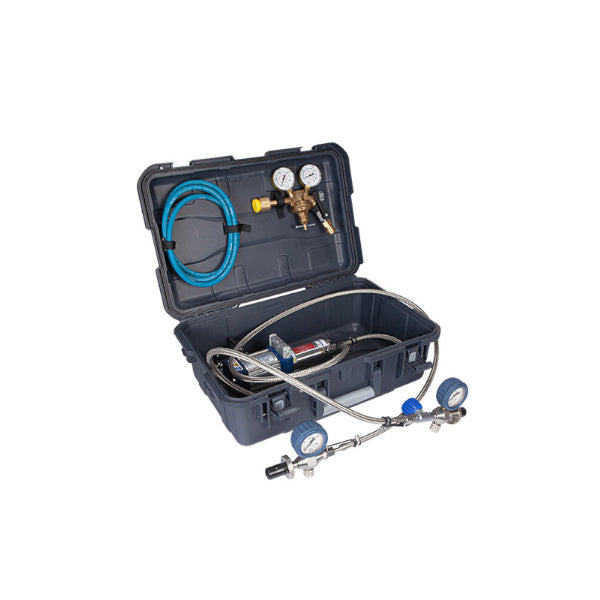
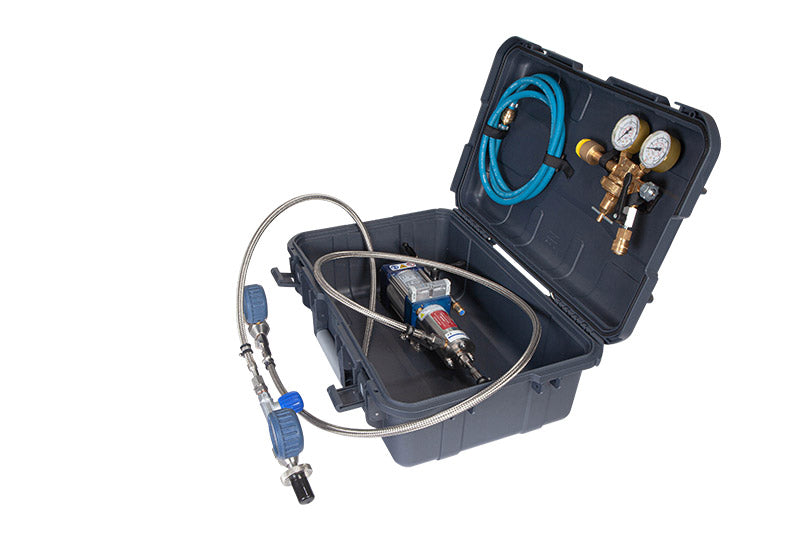
Sail Air offers three refill options. You can refill the cylinder using a hand pump with no power required, making it suitable for use at sea. It can also be refilled using an overflow adaptor from a larger tank, or with a high-pressure compressor for faster filling. This flexibility allows users to choose the most practical method for their setup.
How long will the air last?
Sail Air provides up to 15-20 minutes of air, depending on depth and breathing rate. This duration is designed for short, shallow underwater tasks such as clearing a fouled propeller or conducting quick inspections.
Where can Sail Air be stored on board?
Sail Air is designed to be ultra-light and compact. The 1-liter tank fits easily in a cockpit locker, lazarette, emergency kit, or gear bag. Its small footprint makes it practical to keep on board without sacrificing valuable storage space.