Is your gas blending system slowing down your dive shop without you realizing it?
As systems age, they can struggle to meet modern expectations for reliability, speed, and consistency. What once worked well may now lead to frequent adjustments, wasted gas, and a higher workload for your staff.
Upgrading an aging blending system can improve safety, reduce downtime, and help your operation keep up with today’s demand. The five signs below will help you identify when it may be time to move forward.
Sign 1: Inconsistent Oxygen Or Helium Percentages
Blending systems that are worn, damaged, or not properly maintained often have trouble delivering consistent gas mixes. Problems like faulty valves, unstable flow control, or irregular oxygen input can cause gas percentages to vary from one fill to the next.
In addition, oxygen sensors that measure the gas mix have a limited lifespan of about 12 to 18 months and may give inaccurate readings if they become worn or are stored incorrectly. When sensors fail or lose accuracy, it can lead to mislabeled cylinders, rejected fills, and extra time spent troubleshooting.
If you notice these issues regularly, installing a new blending system and replacing sensors as needed can help improve consistency. A well-designed system with properly maintained sensors will provide better control of gas flow and mixing, reducing variations between fills.
Sign 2: Rising Maintenance Costs And Frequent Downtime
When a blending system starts to wear out or break down, small problems appear more often. Seals need constant replacement, components require repeated oxygen cleaning, and gauges may no longer provide accurate readings.
These issues will quickly affect your daily operations. Technicians spend more time fixing equipment instead of filling cylinders, while customers experience delays or limited gas availability.
If this sounds familiar, it may be time to implement a new blending system that can reduce unplanned downtime and ongoing maintenance work. With a more reliable setup, your team can spend less time repairing equipment and more time supporting divers.
Sign 3: Safety Concerns With Pure Oxygen Handling
Handling pure oxygen is part of many partial pressure blending setups, but it also carries real safety risks. As systems age or wear out, oxygen-compatible parts such as hoses, seals, and internal surfaces can degrade or become contaminated.
These risks are caused by contaminated or poorly maintained components. Even with careful procedures, older or damaged equipment makes safe oxygen handling more difficult and less predictable.
If pure oxygen handling is a regular concern in your operation, it may be time to reduce your exposure to this risk. Implementing a new blending system that limits or removes the need for direct pure oxygen handling can improve safety in the fill station.
Sign 4: Irregular Mechanical Cycles During Boosting
A healthy booster pump operates with a steady, complete stroke cycle. When this rhythm becomes irregular, it is often an early warning sign of internal mechanical issues. Instead of completing full strokes, the piston may begin cycling too quickly, making short, rapid movements, or failing to reverse direction smoothly.
These symptoms are usually audible before they become visible. If you hear unusually fast cycling, uneven piston movement, or a pump that appears to stall mid-stroke, the problem is often related to the switching valve or worn piston seals.
While these components can often be serviced, frequent irregularities suggest your booster is reaching the end of its reliable service life. Transitioning to a newer, higher-efficiency model ensures consistent stroke control, faster fills, and the long-term reliability required for continuous use.
Sign 5: Inefficient Gas Recovery Is Wasting Oxygen Or Helium
Some blending systems are simply not efficient when it comes to recovering valuable gases like helium. Older or worn boosters may leave usable gas behind in nearly empty supply cylinders, turning them into waste.
As gas prices continue to rise, this lost gas quickly adds up. What seems like a small amount per fill can become a noticeable cost over time, directly affecting your operation’s profitability.
If gas waste is a regular issue, it may be time to improve how recovery is handled. Implementing a new blending setup with better gas recovery can help make full use of available oxygen or helium, reduce waste, and lower long-term operating costs.
Ready to Upgrade Your Gas Blending System?
Choosing the right blending solution is about more than replacing equipment. It is about improving safety, reliability, and daily workflow in your fill station. Once you understand where your current system falls short, the path forward becomes much clearer.
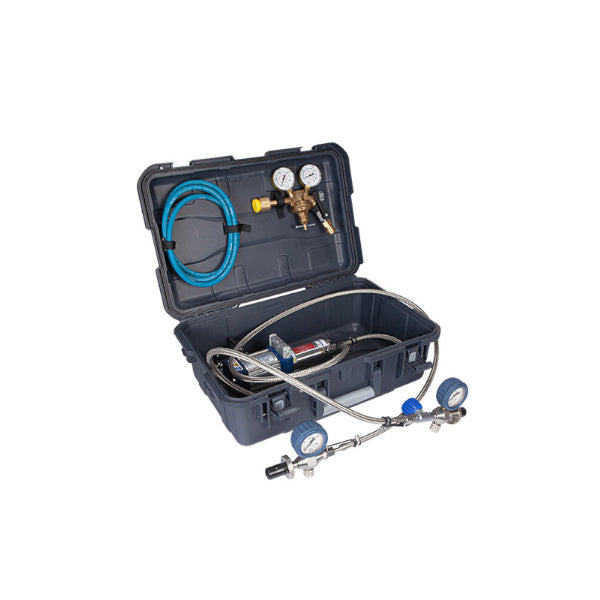
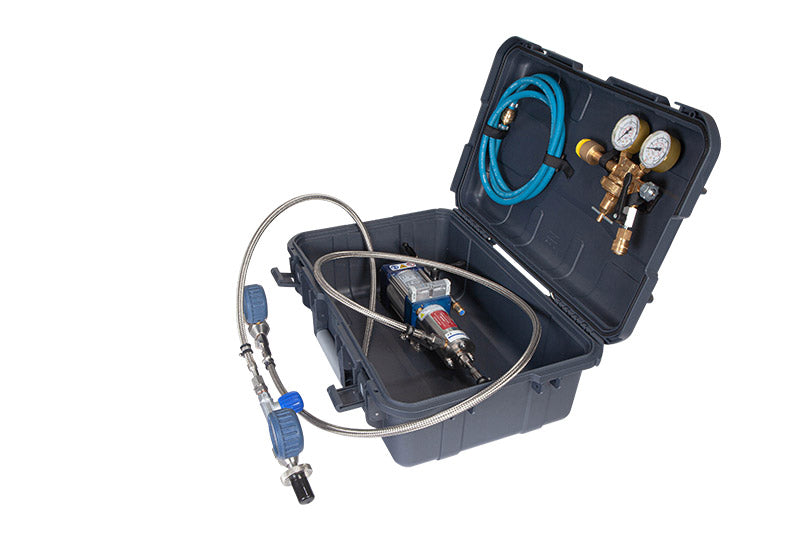
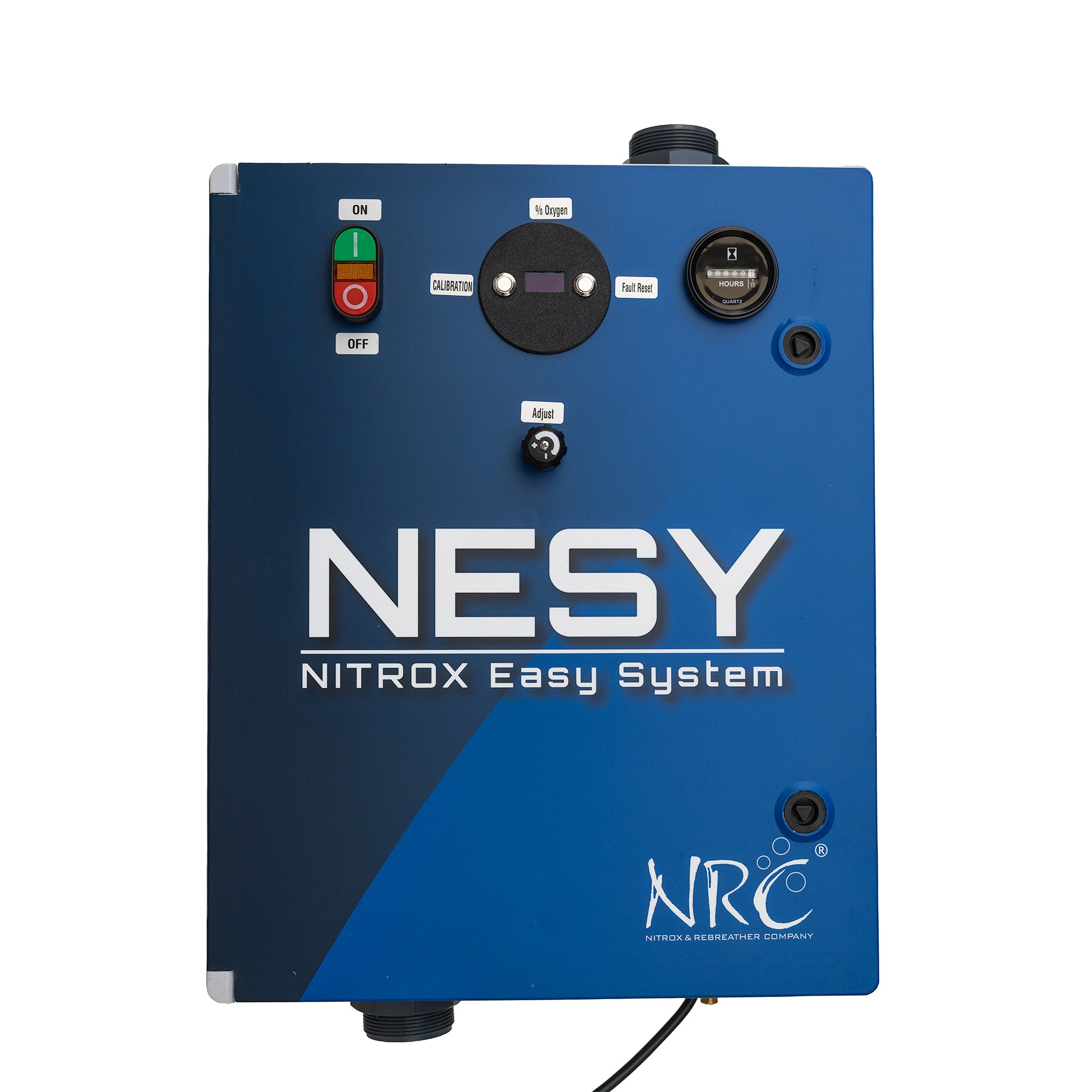
At NRC International, we have been developing blending, boosting, and gas handling solutions for decades. Our German-engineered systems are designed for clean operation, reliable performance, and real-world dive operations.
If you are planning to upgrade, we are here to help you choose a blending setup that fits your operation today and supports your future growth. Explore NRC’s blending solutions to find the setup that fits your operation!
Frequently Asked Questions
Are membrane systems safer than partial pressure setups?
Yes, membrane systems are generally considered safer for producing standard Nitrox because they reduce the need to handle pure oxygen directly during filling.
Is a booster still needed with a membrane system?
Yes, a booster is still needed for certain applications, such as blending mixed gases, filling rebreather cylinders, or topping up tanks that require higher pressures.
How is it determined if a system is still oxygen clean?
A system may no longer be oxygen clean if components show wear, contamination, or have not been serviced according to proper oxygen-cleaning procedures, in which case professional inspection is recommended.