Every operation that offers Nitrox has to choose how it makes the gas. The common methods raise the oxygen above the 21% in ordinary air in different ways, at different costs, and with different equipment.
One of them, the Nitrox membrane system, separates nitrogen out of the air and never handles pure oxygen, so it works differently and has its own guide. This article compares two others, continuous blending and partial pressure blending, which both add pure oxygen directly, so you can see which one fits your operation.
What Is Continuous Blending?
Continuous blending is a Nitrox production method that mixes pure oxygen into filtered air before the gas reaches the compressor. Rather than blending each cylinder on its own, the system makes a steady Nitrox mixture that fills many cylinders through the day.
In practice, continuous blending runs much like filling ordinary breathing air, with the oxygen level set before compression. The process is more efficient as it cuts manual handling and holds a consistent oxygen level across every fill. Most systems produce Nitrox up to 40% oxygen, which covers recreational diving.
What Is Partial Pressure Blending?
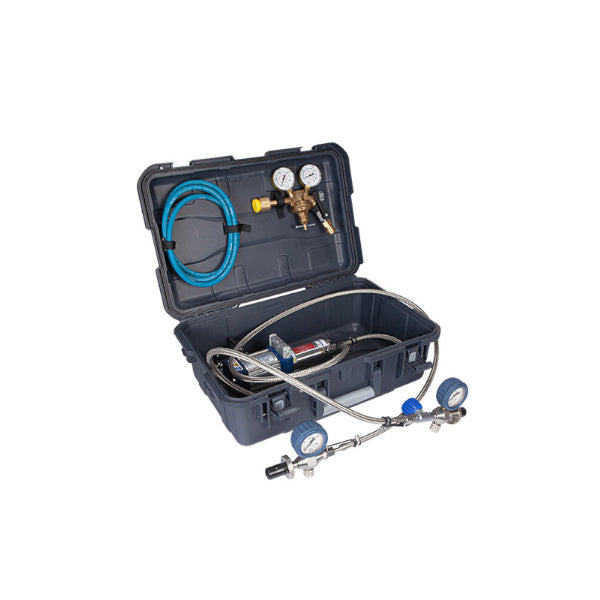
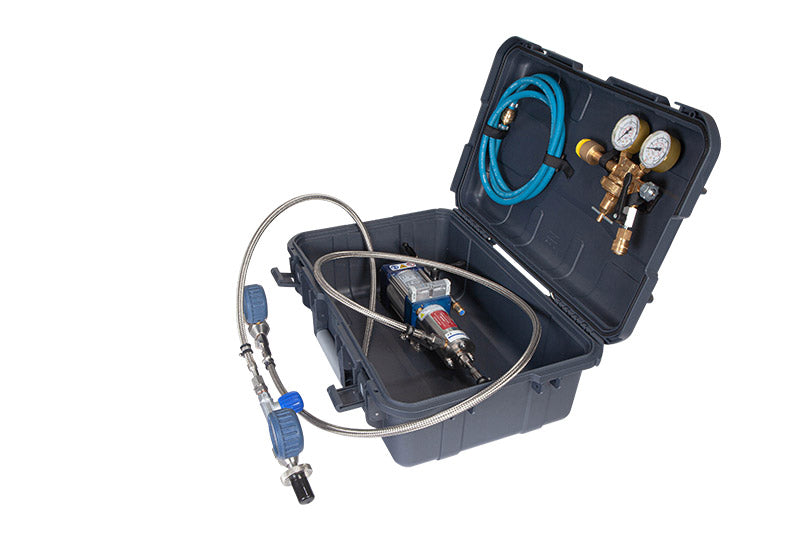
Partial pressure blending is a Nitrox production method that mixes the gas in each cylinder on its own. The operator adds a measured amount of pure oxygen to the cylinder, then tops it up with filtered air from a high-pressure compressor until it reaches the target pressure.
Because each cylinder is blended separately, the oxygen level can be set to match what the diver needs. Once the fill is done, an oxygen analyzer confirms the final oxygen concentration before the cylinder is labeled and handed over.
The strength of partial pressure blending is its flexibility. It can produce a wide range of mixes, including oxygen above 40%, which makes it the usual choice for technical diving and for centers that blend in small batches or per customer. The trade-off is that it is less efficient on a large scale, as it takes more hands-on work per fill, and the equipment alongside the procedures has to be safe for handling pure oxygen.
Continuous Blending vs. Partial Pressure Blending
Both methods make Nitrox from pure oxygen, but they differ in how the gas is mixed, how cylinders are filled, and which operations they suit. The right choice comes down to your daily fill volume, the mixes you need, and how your filling station runs.
|
Feature |
Continuous Blending |
Partial Pressure Blending |
|
How it works |
Pure oxygen is mixed into the air before compression, giving a steady Nitrox supply |
Pure oxygen is added to each cylinder, then topped up with compressed air |
|
Typical oxygen range |
Up to 40% oxygen |
A wide range of mixes, including above 40% when needed |
|
Workflow |
One continuous stream of Nitrox fills many cylinders |
Each cylinder is blended and analyzed on its own |
|
Daily efficiency |
Suits higher fill volumes with less manual handling |
Suits lower volumes or custom mixes |
|
Best suited for |
Busy dive centers and daily Nitrox operations |
Smaller batches and technical diving that needs flexible mixes |
Which Method Is Right for Your Dive Center?
Which method suits you depends on how you fill day to day, the volume you handle, the mixes you need, and how your fill room is run. The fit usually breaks down by the kind of operation you run:
-
Small dive centers: If you blend Nitrox now and then, or fill only a few cylinders a day, partial pressure blending is often the practical pick. It lets you prepare different mixes without buying a dedicated continuous system.
-
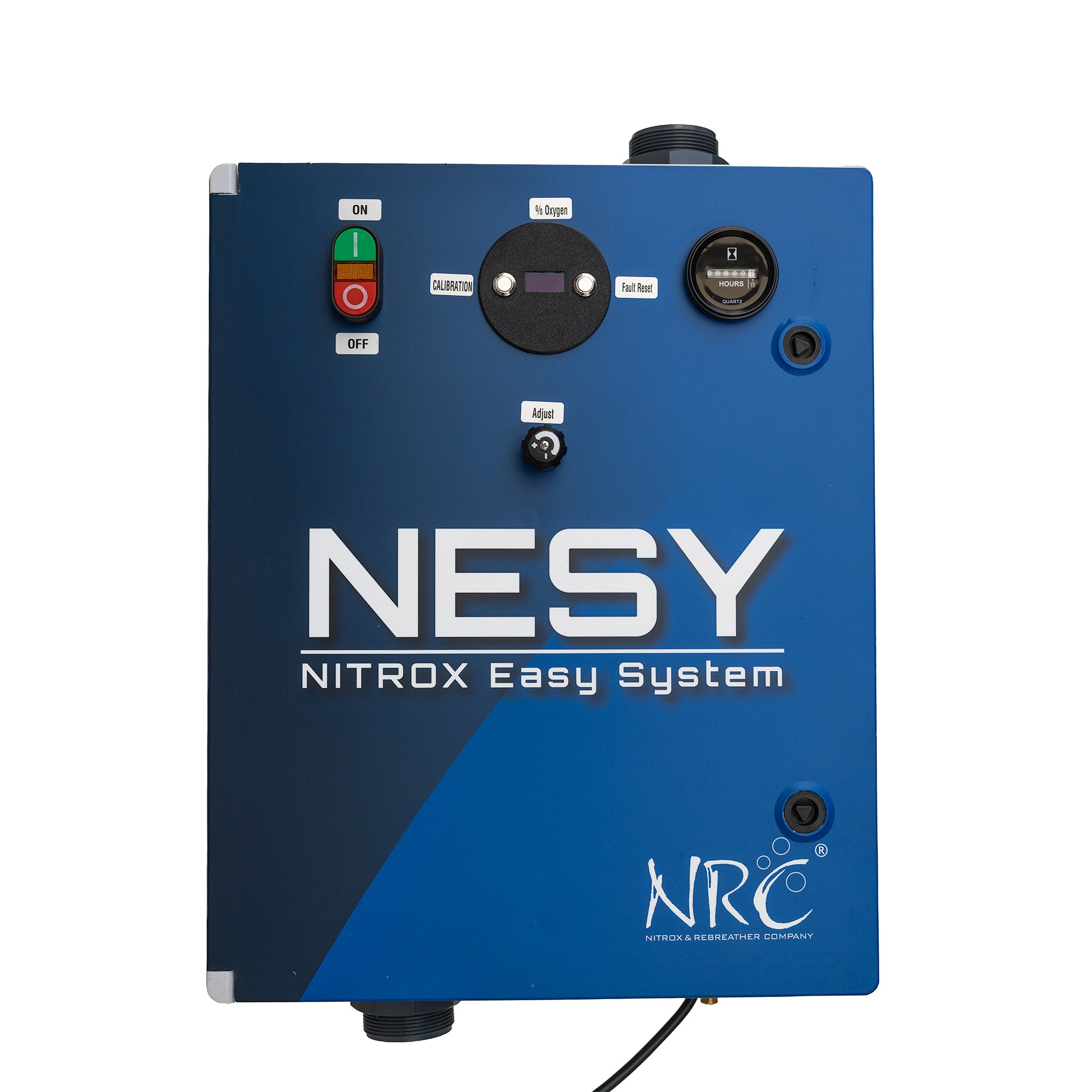
Busy dive centers: Filling Nitrox all day tends to favor continuous blending, which improves efficiency, cuts manual steps, and keeps the mix consistent through the rush. NRC's Nitrox Easy Blending System is built to automate that daily filling while holding a reliable oxygen level.
-
Technical diving: When dives call for oxygen above 40% or Trimix, partial pressure blending stays the usual choice, because it can prepare that wider range of gases.
-
Liveaboards: Far from port, running low on pure oxygen with no easy way to restock can stall Nitrox production, so many liveaboards make a membrane system the core, since it runs on air alone and needs no oxygen cylinders. Partial pressure blending stays as the backup for technical mixes above 40%. Continuous blending can supply recreational Nitrox too, but the membrane system is the more common fit at sea, which our guide “How Liveaboards Produce Nitrox: Membrane or Blending?” covers in detail.
In short, continuous blending pays off for steady, high-volume Nitrox filling, while partial pressure blending earns its place wherever you need flexible or higher mixes. Match the method to how your operation actually runs, and the equipment choice follows.
Match the Method to Your Fill Room
There is no single best way to produce Nitrox. The right method depends on how many cylinders you fill, how often you fill them, and whether you need standard recreational mixes or more flexible technical gas options.
NRC International helps dive operations build Nitrox systems around the way they actually fill. From continuous blending to membrane systems, compressors, analyzers, and gas-handling equipment, the right setup starts with understanding your operation.
Planning a new Nitrox setup or reviewing your current one? Talk to NRC about the system that fits your fill room and daily operation.
Frequently Asked Questions
Is continuous blending suitable for recreational Nitrox?
Yes. Continuous blending systems are commonly used to produce Nitrox mixtures for recreational diving, typically with oxygen concentrations of up to 40%. They are well suited to dive centers and liveaboards that fill Nitrox cylinders regularly throughout the day.
Do you still need to analyze Nitrox made by continuous blending?
Yes. Whatever method makes the gas, every cylinder should be analyzed before it goes to a diver. Continuous blending aims to maintain a steady oxygen level during Nitrox production, but the final percentage must still be confirmed with an oxygen analyzer and recorded on the label.
Which Nitrox production method is easier to scale as a dive center grows?
That depends on where your demand is heading. As daily Nitrox volume rises, blending each cylinder by hand takes more and more time, so many operators move toward continuous blending to cut manual handling and keep filling steady. If your volume stays low or your mixes vary a lot, partial pressure blending can still scale with less upfront cost.