A dive center is a business before it is a dive center. Retail, training, gas management, equipment servicing, and trip logistics all have to work as a coordinated system.
Based on the Guideline from US Dive Center Operational and Europe Dive Center SOP Documents, in this article we already include the main points of what mistakes that dive center owner should avoid.
Most of the things that go wrong build up from planning gaps, delayed maintenance, and many other issues.
1. Underestimating Your Financial Structure
A dive center runs with fixed costs, seasonal revenue gaps, and equipment that depreciates whether it is being used or not.
Understanding that structure from the start makes a real difference to how you plan purchases and upgrades.
Gas systems, compressors, and blending equipment all carry long-term costs beyond the initial price tag.
Weighing them against your projected throughput and service capacity before you commit means upgrades actually deliver a return rather than straining cash flow at the wrong time.
2. Treating Gas Infrastructure as Secondary
Gas production and blending systems are easy to think of as background equipment. In reality, gas reliability directly affects:
-
Daily dive schedules
-
Training continuity
-
Technical diver retention
-
Liveaboard efficiency
When supply becomes inconsistent, bookings and trust go with it. Treating gas infrastructure as a core system will keep your schedule running the way your customers expect.
3. Delaying Equipment Maintenance
Running equipment until it fails feels like saving money in the short term.
Your compressors, boosters, and membrane systems all work within defined tolerances, and skipping service intervals raises the chance of unplanned downtime, which costs far more than a routine service, especially during peak season when you have no margin for interruption.
Scheduling a preventive maintenance schedule will keep blending accuracy and pressure stability consistent year-round.
4. Buying Gas Equipment Without a System Plan
Gas equipment is often bought and upgraded piece by piece. The problem is that components selected separately often do not work well together, and the gaps only show up when demand increases.
Designing your gas setup as a coordinated system, where compressor capacity, membrane output, storage, and booster pressure are matched to each other, means you can grow without having to rebuild.
5. Skipping Operational Documentation
Proper records are evidence that your operation ran correctly and that your customers were safe.
Gas analysis logs, service records, pressure monitoring notes, and compliance documentation all serve a purpose to help you identify recurring faults early, demonstrate compliance when required, and defend your practices if a question ever arises.
6. Prioritizing Retail Over Infrastructure
Retail margins are visible and immediate. Gas system performance is sometimes not as visible, which makes it easy to deprioritize when budgets are tight.
The risk is that when high-demand periods arrive, exactly when retail revenue matters most, an under-maintained gas system limits your ability to deliver. Keeping investment balanced across both sides protects the revenue that depends on your operation running smoothly.
7. Not Preparing for Technical Divers
Technical divers have specific infrastructure requirements: accurate blending, stable pressure intensification, reliable helium handling, and oxygen-compatible systems.
If your setup cannot meet those requirements, you miss out on a higher-margin service category without ever attempting it. Getting the right equipment in place as your client mix evolves keeps those services available when the demand arrives.
How Do Engineered Gas Systems Help?
The difference between a gas system that was designed and one that accumulated over time shows up in the details your customers never see: slow fills, mixes that need rechecking, components that strain because nobody planned for the demand they're handling.
An engineered system matches each part to your actual throughput requirements:
-
Compressor capacity sized to your diver volume
-
Membrane output and storage matched each other
-
Booster pressure is set within defined tolerances for the whole chain
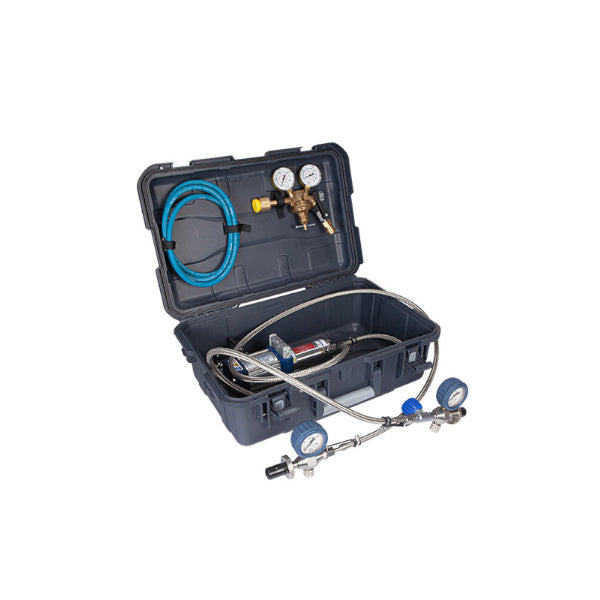
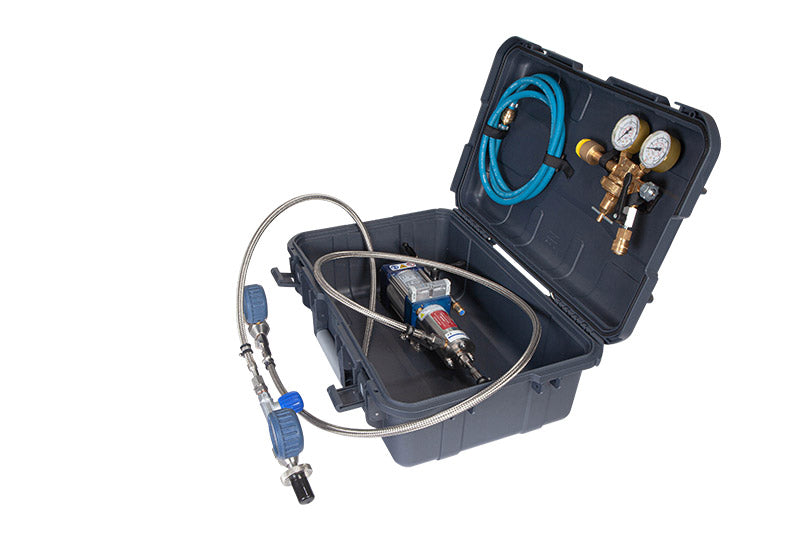
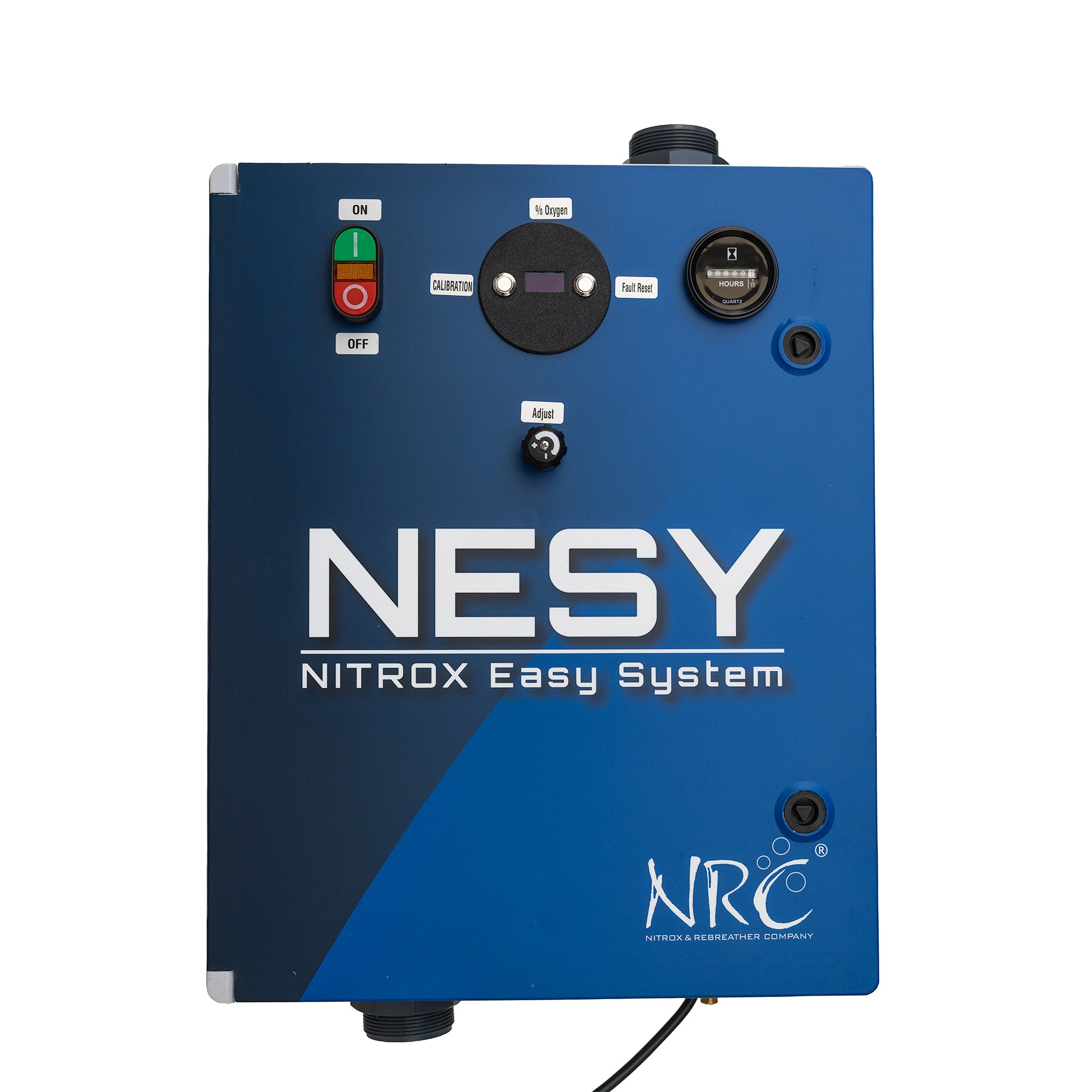
That consistency is what NRC International builds into every system, connecting Nitrox generation, gas boosting, storage, and monitoring so your fills are accurate and your schedule stays where you planned it.
Get the Right Gas System for Your Operation
Most dive center problems come down to the same root cause: infrastructure that was set up to handle today, not tomorrow. The right gas system removes that constraint and gives your operation room to grow without rebuilding from scratch each time you do.
Founded in 2000, NRC International has supplied German-engineered gas systems to dive operations in more than 35 countries. Browse our Nitrox membrane system, TEC boosters, and compressors, or contact us to find the right configuration for your operation!