Nitrox has become the preferred breathing gas on many liveaboard dive trips because it helps divers manage nitrogen exposure during repetitive diving.
With multiple dives scheduled each day, Nitrox can improve safety, extend bottom times, and help divers stay comfortable throughout the trip.
What is Nitrox?
Nitrox, also called enriched air, is a breathing gas mixture with a higher oxygen percentage and a lower nitrogen percentage than standard air. Where air sits at roughly 21 percent oxygen, recreational Nitrox mixes typically range between 32 and 36 percent.
Because the body absorbs less nitrogen on each dive, divers use Nitrox to safely complete multiple dives in a day while reducing the risk of decompression sickness. That is what makes it the standard breathing gas on liveaboards running back-to-back dive schedules.
But how exactly does Nitrox improve the liveaboard experience?
1. Lower Risk of Decompression Sickness
We keep coming back to nitrogen reduction because it is the main reason liveaboards switched to Nitrox in the first place.
Three to five dives a day means each dive starts with residual nitrogen still sitting in the body from the last one, and on standard air, that adds up fast, shrinking no-decompression limits and stretching surface intervals longer as the day goes on.
Nitrox slows that process down and keeps divers in the water longer with more room to breathe between dives.
2. Less Nitrogen Means More Time at Depth
Longer bottom times are one of the most practical benefits Nitrox delivers on a liveaboard. Because the body absorbs nitrogen more slowly on an enriched air mix, divers can stay within their no-decompression limits for longer at the same depth compared to diving on standard air.
For liveaboard guests, that extra time adds up across every dive of the trip, more time exploring the reef, more time with the wildlife, and less time watching the dive computer tick down.
3. Nitrox Reduces Fatigue on Multi-Day Dive Trips
Most divers who switch to Nitrox on liveaboards notice they feel less worn out at the end of the day. The exact physiology is still debated, but the general consensus is that lower nitrogen exposure leaves the body less stressed after repetitive dives.
On a seven-day trip with four dives a day, that difference in how divers feel by day five or six is noticeable, and it directly affects how much they enjoy the back half of the trip.
4. Shorter Surface Intervals Keep the Schedule Moving
Surface intervals exist to let the body off-gas nitrogen before the next dive. With less nitrogen absorbed on each dive, Nitrox divers can typically surface interval for shorter periods and still stay within safe limits.
For liveaboard operators, that adds up to a tighter, more consistent daily schedule with more time spent at the dive sites and less time waiting on the boat.
5. Nitrox Adds a Safety Margin That Repetitive Diving Erodes
Repetitive diving on standard air leaves very little room for error by the end of a long dive day. No-decompression limits get tighter, residual nitrogen gets higher, and the margin between a safe dive and a problematic one gets smaller.
Nitrox pushes that margin back out. Divers end the day with lower nitrogen loads, which means more buffer between their actual dive profiles and the limits they need to stay within.
How Does a Liveaboard Produce Nitrox Onboard?
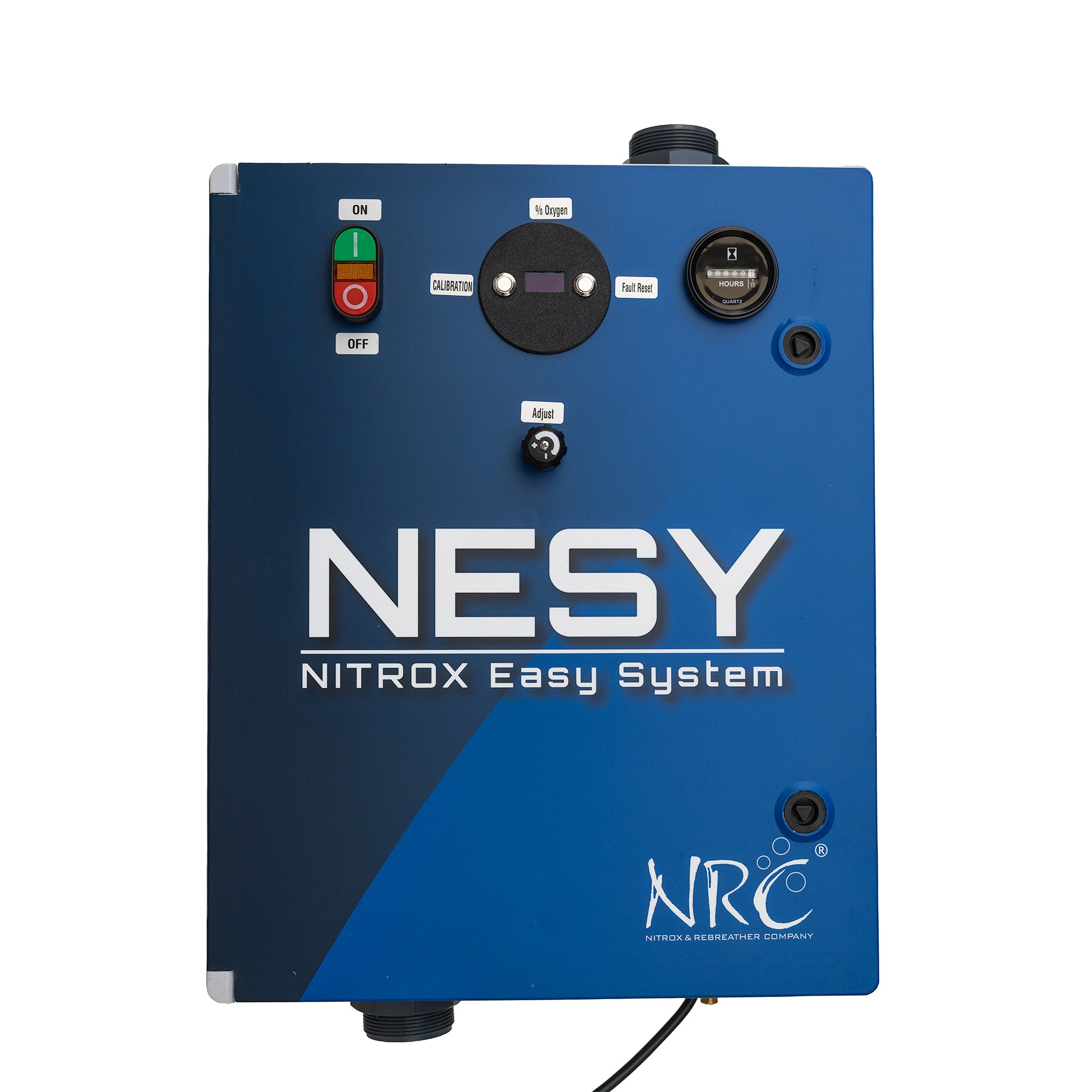
Most modern liveaboards produce Nitrox onboard using a Nitrox membrane system. The system takes compressed air and removes part of the nitrogen content, creating oxygen-enriched air that can be supplied directly to divers.
This approach allows liveaboard operators to produce Nitrox continuously throughout a trip without relying on external oxygen deliveries or pre-filled cylinders. As a result, divers have access to a reliable supply of enriched air for multiple dives each day.
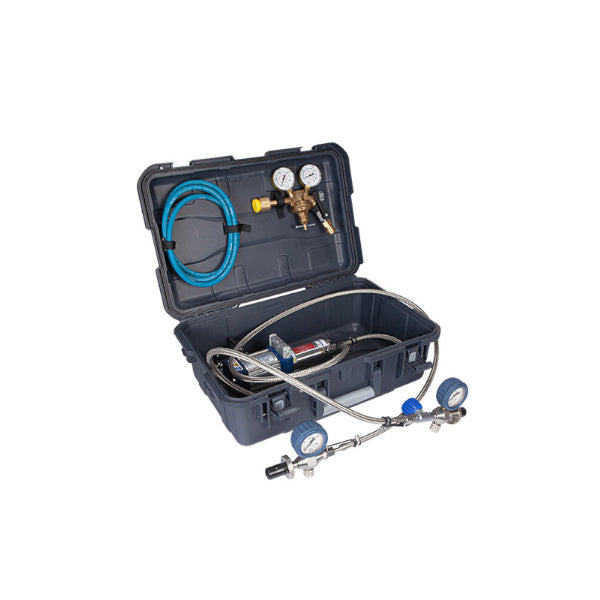
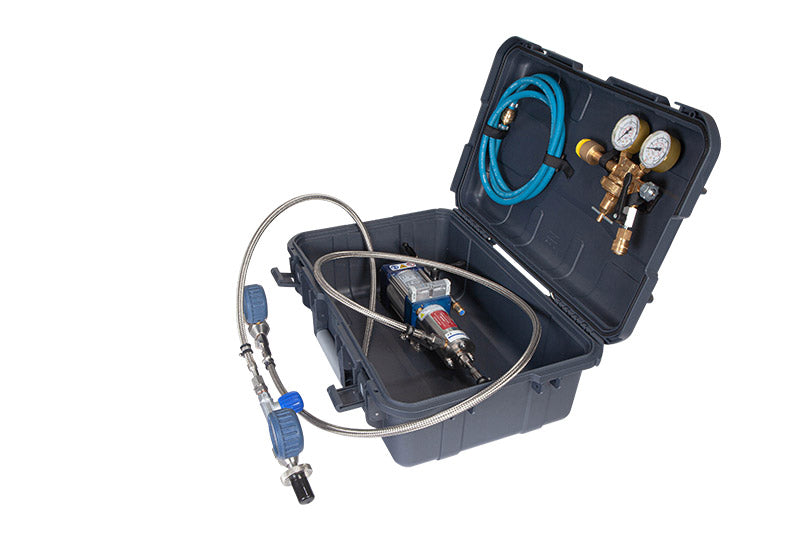
Some vessels also support technical diving operations. In these cases, gas boosters are used to transfer and increase the pressure of oxygen, helium, or mixed gases for custom breathing gas blends.
Is Your Liveaboard Producing Nitrox Onboard?
NRC International has been supplying Nitrox systems to liveaboards and professional dive operations worldwide since 2000, with equipment running in more than 35 countries.
The AirPro Nitrox system is built for continuous onboard production, giving your guests a reliable enriched air supply across every dive of the trip.
If your vessel is not yet producing Nitrox onboard, contact us today, and let's talk about what your operation needs!
Article Sources:
- Asfar, P., et al. (2016). "Enriched Air Nitrox Breathing Reduces Venous Gas Bubbles after Simulated SCUBA Diving: A Double-Blind Cross-Over Randomized Trial."
- Cialoni, D., Pieri, M., Balestra, C., & Marroni, A. (2017). "Dive Risk Factors, Gas Bubble Formation, and Decompression Illness in Recreational SCUBA Diving: Analysis of DAN Europe DSL Data Base."