Most Nitrox incidents do not come from broken equipment. They happen between steps: a skipped analysis, an early label, or a missing log entry can turn a good fill into a serious risk.
A clear daily Nitrox workflow removes assumptions. Every cylinder follows the same path from production to analysis, labeling, and logging. This consistency reduces human error and keeps teams aligned, even during busy fill days on dive boats or in shops.
This guide walks through a practical daily Nitrox workflow, step by step, from system preparation to tank release, so every cylinder is safe, traceable, and ready to dive.
Overview Of The Daily Nitrox Workflow
A repeatable daily process for producing and issuing Nitrox follows a clear sequence of defined steps. This structure ensures that safety checks happen in the correct order and that every cylinder can be traced from production to diver use.
The workflow moves from system readiness to final release for diving:
- System preparation and pre-checks
- Producing Nitrox into the cylinder
- Oxygen analysis
- Tank labeling
- Tank logging and documentation
- Storage and release for diving
Following a consistent daily workflow reduces assumptions and minimizes human error, which remains the most common cause of Nitrox-related incidents in professional dive operations.
Step 1: System Preparation and Pre-Checks

Before any Nitrox production begins, the system must be confirmed ready for operation. This step establishes a safe starting point for the day and helps prevent problems later in the workflow.
At a minimum, you should verify that:
-
The compressor and filtration system are operating normally
-
The system is stable and set for the intended use
-
Oxygen supply is available and within expected pressure ranges, where applicable
-
Oxygen analyzers are calibrated
-
The filling area is clean and free from contamination risks
If any part of the system appears unstable or out of tolerance, Nitrox production should be paused until the issue is resolved. For a more detailed inspection routine, including booster-specific checks, refer to our TEC Booster Maintenance Guide.
Step 2: Producing Nitrox into the Cylinder

Nitrox production is the stage where the target oxygen mix is created directly inside the cylinder. While the specific process varies by system, the goal is always the same: to produce a stable and predictable oxygen percentage in a controlled manner.
There are several established methods used in professional operations, each with its own characteristics and operational requirements.
Those are:
-
Membrane systems: This nitrox system removes nitrogen from ambient air to deliver a continuous flow of Nitrox. They are widely used in high-volume dive centers and liveaboards because they support consistent output during extended filling periods.
-
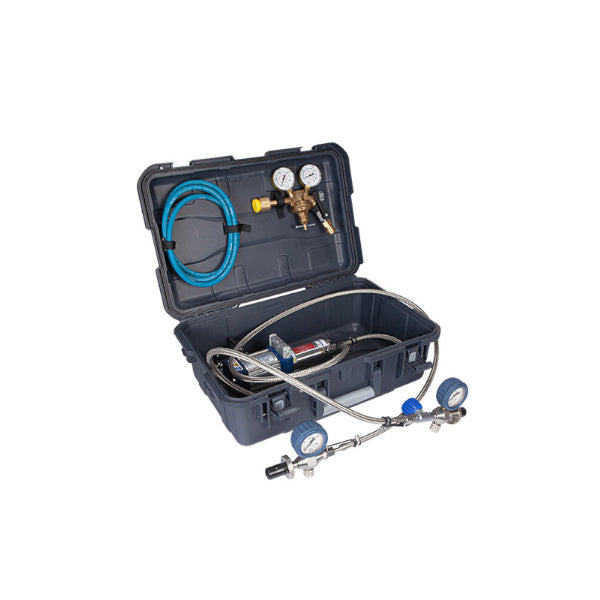
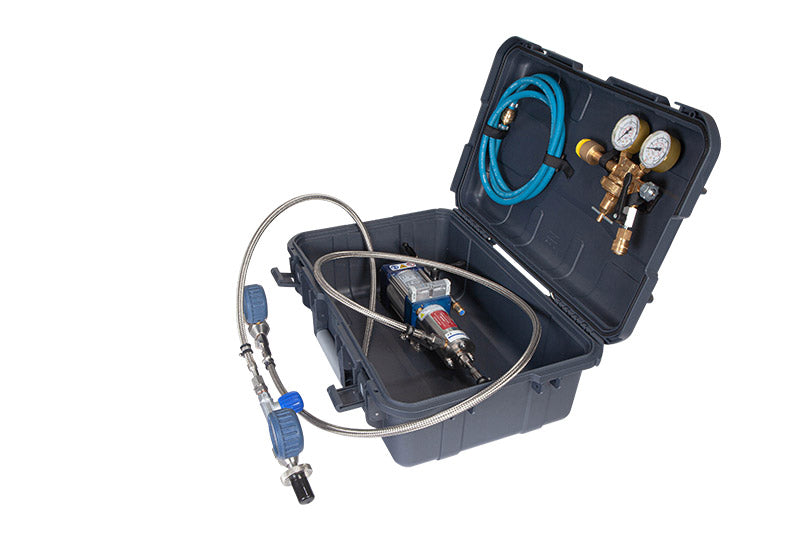
Partial pressure blending: Using an overflow hose to add pure oxygen directly into the cylinder before topping it off with compressed air. It offers flexibility but requires oxygen-compatible cylinders, valves, and strict handling procedures.
-
Continuous blending systems: This method introduces oxygen into the air stream before compression. This approach requires careful control of oxygen flow and system stability to maintain a consistent mix.
Step 3: Oxygen Analysis

Oxygen analysis is the final confirmation that the gas inside the cylinder matches the intended Nitrox mix. This step verifies the actual oxygen percentage before the cylinder can be labeled, logged, and released for diving.
In modern membrane and continuous blending setups, oxygen levels can be monitored continuously during production.
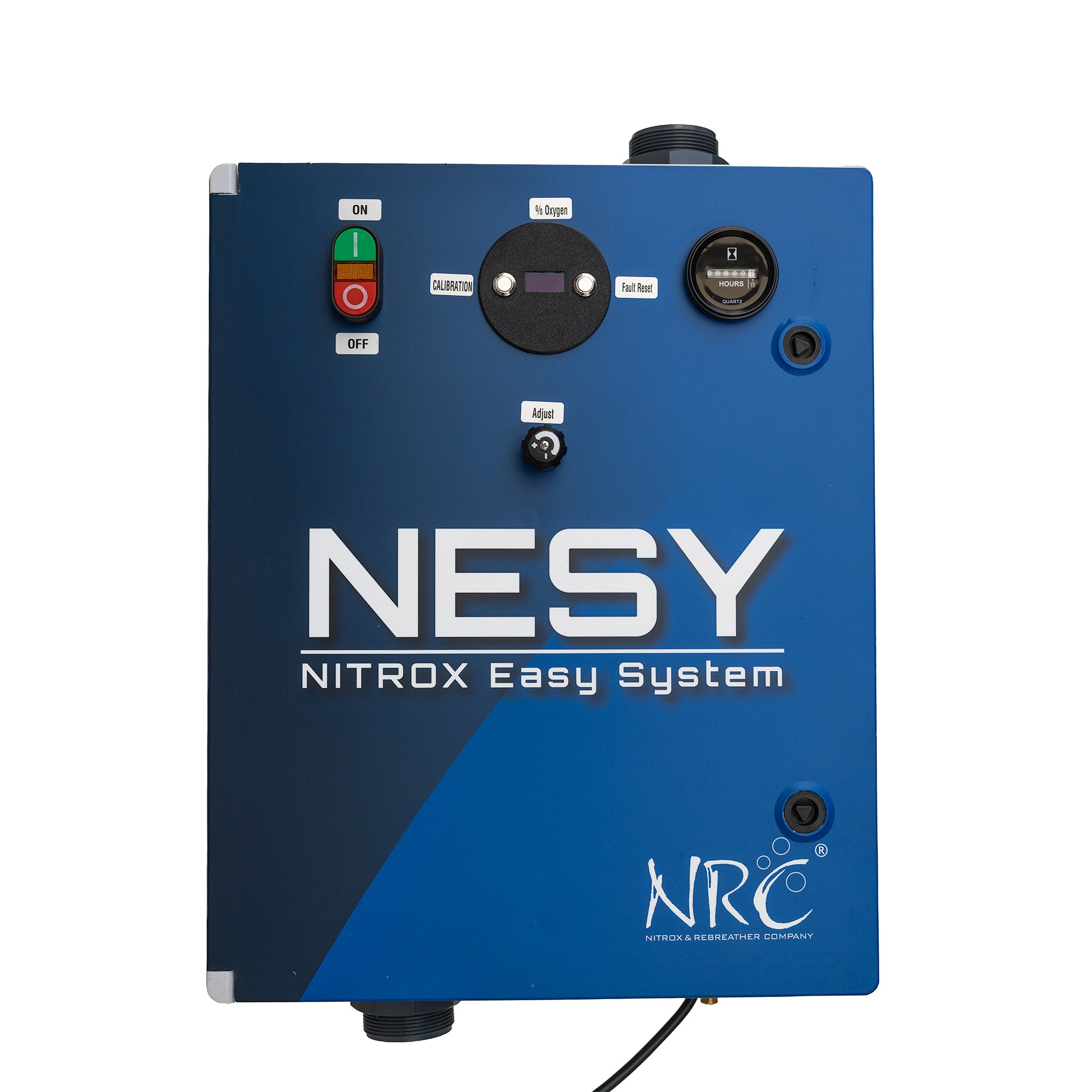
Systems such as the NRC membrane system and the NESY continuous blending system integrate built-in Nitrox analyzers that track oxygen concentration in real time.
This will help you keep the mix consistent and save time, since you can monitor the oxygen while filling multiple cylinders instead of checking everything afterward.
At a minimum, oxygen analysis should ensure that:
-
Every cylinder is individually verified
-
Oxygen readings are based on calibrated measurement systems
-
Recorded oxygen percentages reflect the gas inside the cylinder, not assumptions or presets
Oxygen analysis serves as the safety gate between production and diver use. Whether supported by integrated monitoring systems or standalone analyzers, this step is needed to confirm that the cylinder contains exactly what it is intended to contain.
Step 4: Tank Labeling

Tank labeling communicates the verified gas information to everyone who handles the cylinder. A clear, accurate label shows what is inside the tank and how it can be used safely.
Each label should include:
-
The date of analysis
-
The measured oxygen percentage
-
The corresponding Maximum Operating Depth (MOD)
-
The name or initials of the diver who performed the analysis to ensure personal verification
Any cylinder labels from previous fills must be removed to avoid confusion. The active label should be clearly visible on the cylinder body so it can be easily checked by staff and divers.
A cylinder without a correct label is not ready for diving, even if the gas itself is correct.
Step 5: Tank Logging and Documentation

Tank logging is the final confirmation that the Nitrox workflow has been completed correctly. Logging creates a clear record of what was filled, analyzed, and issued, and it ensures the information stays traceable after the cylinder leaves the fill station.
Once a cylinder is labeled, its details should be recorded in the fill log. This typically includes:
-
The cylinder identification
-
The measured oxygen percentage
-
The calculated depth limit
-
The date of analysis
-
Who performed the check
In some operations, the diver also signs the log to confirm acceptance of the mix. Logging should be treated as a required part of the workflow, not an optional extra. If a cylinder is not logged, it should not be considered ready for use.
Step 6: Storage, Handling, and Release for Diving

Once cylinders are analyzed and logged, they should be stored in a way that prevents mix-ups. Nitrox cylinders must be kept separate from empty tanks or air-filled cylinders until they are issued to divers.
Using a clearly designated Nitrox storage area helps maintain order, especially during busy operations. Cylinders should be protected from excessive heat and direct sunlight. Before release, a final visual check confirms that each cylinder is properly labeled and logged.
Only then is the cylinder ready for diving.
Keep Nitrox Production Simple and Safe
Nitrox safety does not come from one perfect step. It comes from doing the same things, in the same order, every day. A clear daily workflow removes guesswork, reduces mistakes, and keeps everyone on the same page, from the fill station to the dive deck.
When system checks, production, analysis, labeling, logging, and release all follow a consistent process, Nitrox becomes predictable and easy to manage. That consistency is what protects divers and operations alike.
If you want to streamline your daily Nitrox operations, explore NRC’s Nitrox systems, analyzers, and booster solutions designed for professional daily operations!
Frequently Asked Questions
1. Is it necessary to analyze every tank?
Yes. Every cylinder must be analyzed after every fill. This applies every day, without exception.
2. Who is responsible for analyzing the gas?
Dive staff or gas blenders usually perform the initial analysis, but the diver is always responsible for confirming the oxygen percentage before the dive.
3. How long should filled logs be kept?
A minimum of 12 months is considered best practice. Some operations, especially technical diving or those subject to local regulations, may need to keep records for longer.