For a dive center, the Nitrox vs air question is a business decision.
If your operation serves certified divers, runs multiple dives per day, or wants to offer a more complete guest experience, Nitrox can become more than an optional extra. In many cases, it becomes part of what guests expect from a professional dive operation.
That does not mean every dive center needs Nitrox immediately. But for many operators, especially those focused on repetitive diving, training, or premium dive packages, offering Nitrox can support both service quality and commercial value.
Nitrox vs Air: What Is the Real Difference?
Standard compressed air contains about 21% oxygen and 79% nitrogen. While enriched air Nitrox contains a higher oxygen percentage and less nitrogen.
For divers, that difference matters because lower nitrogen intake can be useful during repetitive dive schedules to reduce decompression sickness risk.
For operators, the relevant question is how this affects daily operations. When guests are diving three or four times per day across multiple days, Nitrox becomes part of supporting a sustainable diving program.
Why Many Dive Centers Offer Nitrox
Nitrox adoption among dive centers typically follows four practical drivers:
1. Divers Often Request Nitrox
Nitrox is no longer a niche request in many parts of the dive industry. A growing number of certified divers already use it and actively look for operators that offer it.
This is particularly true among guests booking liveaboards, dive resorts, and multi-day packages. For experienced divers, Nitrox availability could influence their perception of an operation's professionalism and completeness.
Offering Nitrox is not simply about adding another fill option. It addresses the expectations of an established customer segment and maintains competitiveness in markets built around repetitive diving.
2. Nitrox Supports Repetitive Diving
Many dive operations are structured around multiple daily dives. Liveaboards, destination resorts, and high-volume dive centers routinely schedule three or four dives per day over extended periods.
Nitrox reduces nitrogen exposure compared with air, which is why divers prefer it for repetitive recreational diving. This makes Nitrox a practical service that aligns with the diving programs these businesses already sell.
3. Nitrox Improves the Guest Experience
Dive guests are not only paying for tanks and boat space. They are paying for a smooth, well-designed diving experience.
When Nitrox is available, many divers view the operation as better equipped for multi-day diving and advanced training. The quality of the overall setup, including gas options, can influence feedback, repeat bookings, and word-of-mouth recommendations.
4. Nitrox Creates an Additional Revenue Stream
Nitrox can also support revenue when it is integrated into the business model properly.
Some dive centers charge extra for Nitrox fills, while others include it in premium dive packages, training bundles, or liveaboard offerings. Nitrox courses can also create additional income while helping divers qualify for the service the operator already provides.
What Dive Centers Need to Offer Nitrox
To offer Nitrox properly, a dive center needs a setup that can produce reliable blends, confirm the gas mix before use, and support safe day-to-day handling by the team.
This usually includes:
-
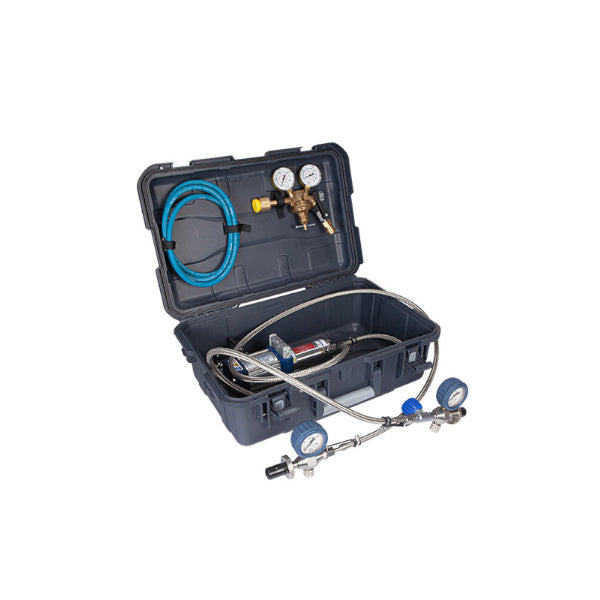
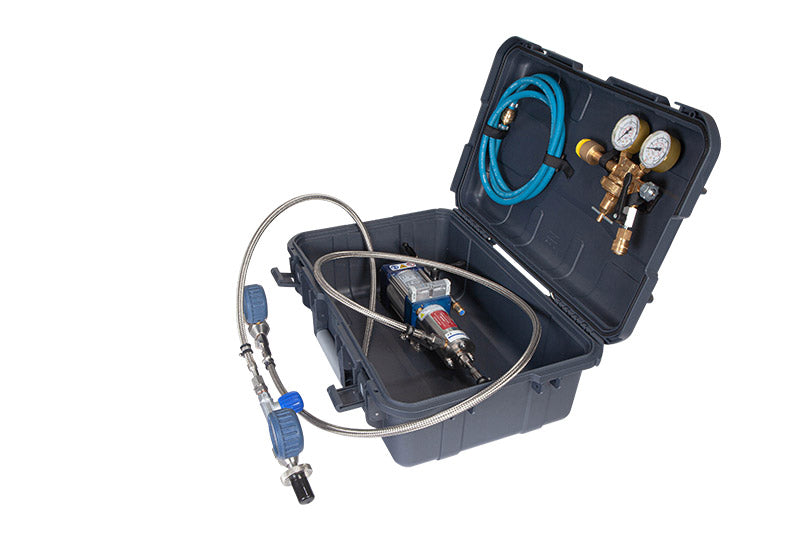
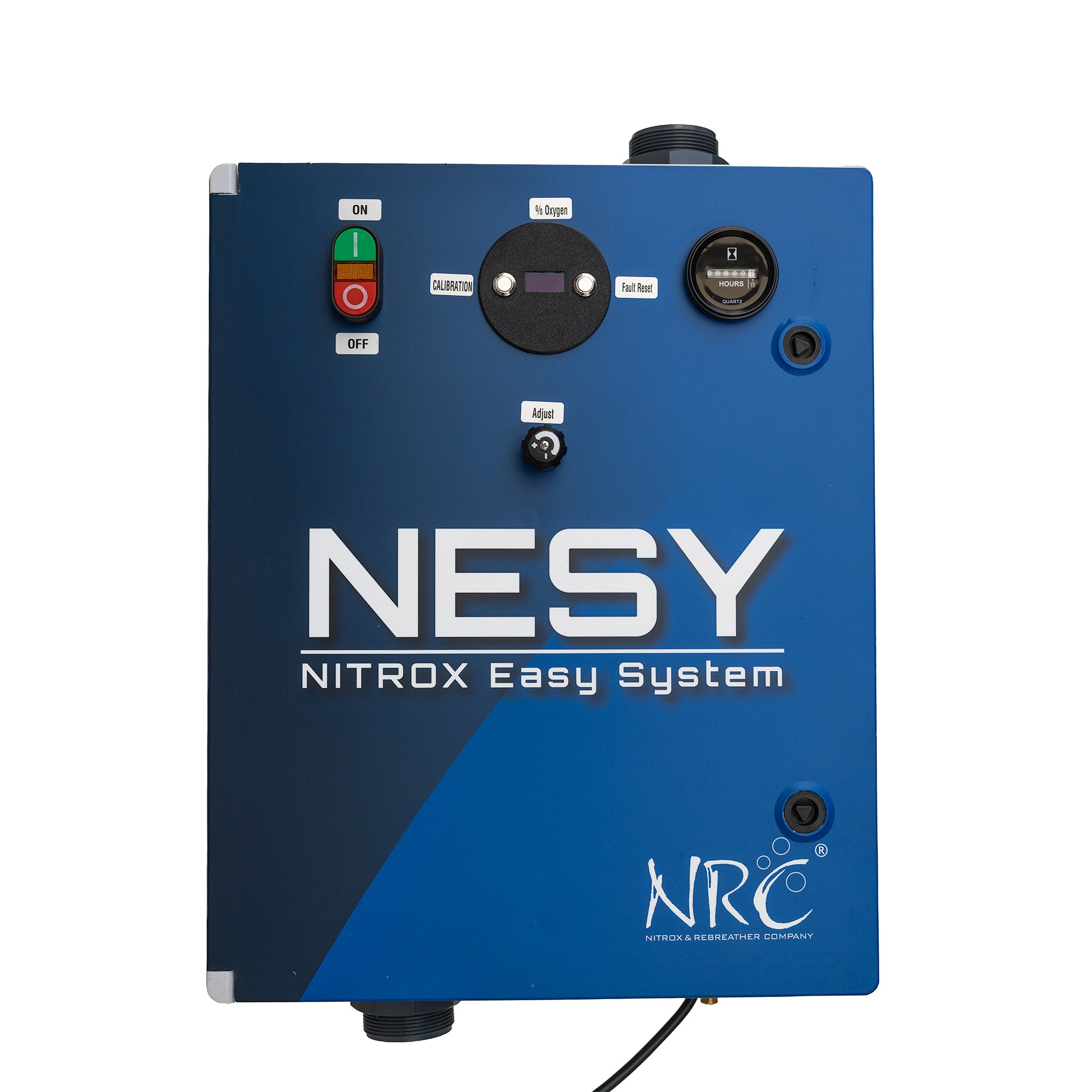
A Nitrox production system to generate enriched air mixtures consistently
-
A reliable compressor setup to support regular cylinder filling operations
-
Gas analyzers to verify oxygen content before cylinders are issued to divers
-
Clear staff procedures for gas handling, testing, and cylinder labeling
When these elements work together, Nitrox becomes much easier to manage and becomes a professional service the dive center can deliver with consistency and confidence.
Nitrox Production Methods Used by Dive Centers
Dive centers can use different methods to produce Nitrox, but for many recreational operations, membrane-based production is one of the most practical approaches.
A membrane Nitrox system separates nitrogen from compressed air to create enriched air mixtures without requiring the same level of complexity associated with handling high-pressure oxygen manually. For many, this will make Nitrox production easier to integrate into day-to-day operations.
When Nitrox Makes the Most Sense for Dive Centers
Nitrox usually makes the most sense for dive centers that already run the kind of operation where divers can clearly see its value.
The more an operation depends on repetitive diving, experienced guests, or higher-value training and service offerings, the stronger the case becomes.
This is especially true for:
-
Liveaboard vessels with demanding multi-dive itineraries
-
Dive resorts running several guided dives per day
-
Dive centers catering to experienced or repeat divers
-
Operations offering Nitrox courses and other specialty training
For these businesses, Nitrox often becomes a part of how the operation supports guest expectations and builds a more complete service model.
Is Nitrox Worth It? Yes, Only With the Right Setup
For dive centers, Nitrox is about supporting repetitive diving, meeting guest expectations, and building a more capable operation.
That is why the equipment behind the service matters just as much as the gas itself. Once Nitrox becomes part of regular dive operations, centers need a setup that supports consistent production, accurate verification, and safe day-to-day handling without creating unnecessary operational strain.
Founded in 2000, NRC was built to make Nitrox and rebreather diving more accessible, safe, and efficient. Today, NRC provides reliable, German-made equipment for professional diving operations in more than 35 countries.
Browse our membrane systems to see how NRC helps dive centers offer Nitrox with confidence!
Resource:
- Enriched Air Nitrox Breathing Reduces Venous Gas Bubbles — PMC/PLOS ONE
- NOAA Workshop on Enriched Air Nitrox Diving