Haben Sie sich vor einer Fahrt schon einmal Ihr Boot angesehen und sich gefragt, ob es wirklich bereit fürs Wasser ist?
Diese Frage ist wichtig, denn ein reibungsloser und sicherer Ausflug hängt oft davon ab, was man überprüft, bevor man überhaupt die Leinen löst. Schnelle Routinen sind zwar eine gute Angewohnheit, doch wahre Zuverlässigkeit erfordert ein Verständnis der Bereiche, die Leistung und Sicherheit am stärksten beeinflussen.
Wer sich ein paar Minuten Zeit für die notwendige Wartung nimmt, kann Überraschungen vermeiden – von Motorproblemen über schlechtes Fahrverhalten bis hin zu versteckten Schäden.
Dieser Leitfaden führt Sie durch fünf Checklisten, die Sie vor dem Ablegen durchführen sollten. Jede Checkliste konzentriert sich auf einen Bereich Ihres Schiffes, der den größten Einfluss auf Sicherheit, Komfort und Ihr allgemeines Wohlbefinden hat.
1. Rumpf prüfen und reinigen
Ein sauberer Rumpf trägt dazu bei, dass sich Ihr Boot reibungslos durch das Wasser bewegt. Daher lohnt es sich immer, vor jeder Fahrt einen kurzen Blick darauf zu werfen.
Hier sind die Dinge, auf die Sie achten sollten:
-
Algen oder Meeresbewuchs entlang des Rumpfes und der Wasserlinie
-
Kleine Risse, Blasen oder Korrosion an den Verbindungsstücken
-
Bewuchs, Dellen oder lose Teile an Kiel und Ruder
-
Ablagerungen oder Verschmutzungen, die die Leistung beeinträchtigen können
-
Salzablagerungen, die nach jedem Ausflug abgespült werden sollten
Wenn Sie sich einen Moment Zeit nehmen, diese Bereiche zu überprüfen, bleibt Ihr Rumpf in gutem Zustand und Ihr Boot ist bei jeder Ausfahrt effizient und zuverlässig.
2. Alle mechanischen Systeme und Flüssigkeiten prüfen
Ein kurzer Blick auf Ihre mechanischen Systeme kann die meisten Motorprobleme verhindern, bevor sie überhaupt entstehen. Nehmen Sie sich daher einen Moment Zeit, um sicherzustellen, dass alles reibungslos funktioniert.
Bevor Sie losfahren, sollten Sie Folgendes beachten:
-
Überprüfen Sie die Kraftstoffleitungen auf Risse, Lecks oder weiche Stellen.
-
Ölstand, Kühlmittel, Getriebeöl und Hydraulikflüssigkeiten prüfen.
-
Batterie, Lichtmaschine und grundlegende elektrische Funktionen prüfen
-
Lassen Sie den Motor kurz laufen, um zu prüfen, ob er sich normal anhört und anfühlt.
-
Vergewissern Sie sich, dass die Bilgenpumpe und der Schwimmerschalter ordnungsgemäß funktionieren.
Diese einfachen Kontrollen helfen Ihnen, kleine Probleme frühzeitig zu erkennen, was weniger Überraschungen auf dem Wasser und eine deutlich zuverlässigere Fahrt bedeutet.
3. Sicherheits- und Navigationsausrüstung überprüfen
Ihre Sicherheitsausrüstung ist ein wesentlicher Bestandteil Ihrer Vorbereitungen vor der Abreise. Nehmen Sie sich daher einen Moment Zeit, um sicherzustellen, dass alles einwandfrei funktioniert. Dies gibt Ihnen die Gewissheit, auch bei ruhigen Bedingungen auf unerwartete Situationen reagieren zu können.
Ihre Sicherheitsprüfung vor Reiseantritt sollte Folgendes umfassen:
-
Rettungswesten für jeden Passagier
-
Ein funktionsfähiger Feuerlöscher
-
Funktionsfähige Navigationslichter
-
Aktualisierte Leuchtraketen und Signalgeräte
-
Ein gut ausgestatteter Erste-Hilfe-Kasten und ein Sauerstoffgerät an Bord
Wenn Sie während Ihrer Reise tauchen gehen oder jemanden ins Wasser schicken möchten, stellen Sie sicher, dass Ihr Taucherortungssystem einsatzbereit ist. Ein zuverlässiges Gerät wie ENOS an Bord erhöht die Sicherheit zusätzlich, da Sie damit alle Personen orten können, die ins Wasser gehen.
4. Propeller, Lufteinlässe und Unterwasserkomponenten prüfen
Probleme unter Wasser können unerwartet auftreten. Daher empfiehlt es sich, vor Fahrtantritt die Propeller und andere Unterwasserteile kurz zu überprüfen. Schon ein kleines Knäuel aus Angelschnur oder etwas Treibgut kann die Manövrierfähigkeit, den Kraftstoffverbrauch oder die Kühlung beeinträchtigen.
Zu den durchzuführenden Prüfungen gehören:
-
Die Schiffsschraube wurde auf Dellen, Kerben oder verhedderte Fremdkörper untersucht.
-
Sicherstellen, dass die Propellermutter fest und sicher angezogen ist.
-
Entfernung von Meeresbewuchs aus Lufteinlässen und Triebwerken
-
Überprüfung, ob sich Ruder und Trimmklappen frei und widerstandsfrei bewegen lassen.
Falls Sie jemals ins Wasser müssen, um ein Seil zu entfernen oder etwas genauer zu untersuchen, können einfache Werkzeuge wie ein Seilschneider oder ein Tauchermesser die Arbeit erheblich erleichtern.
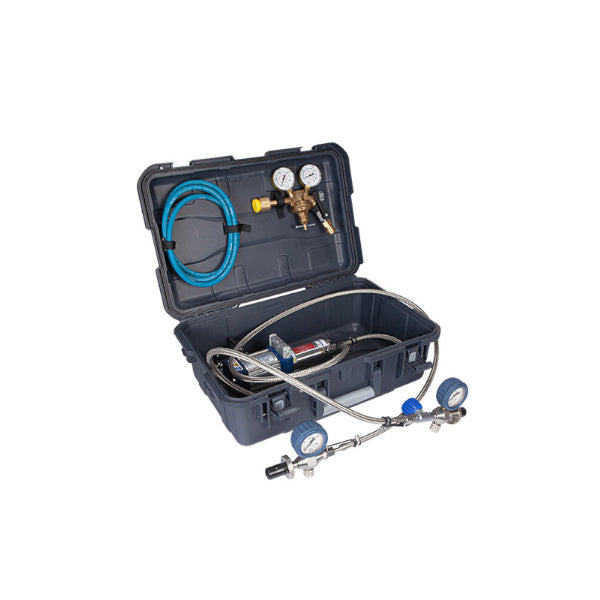
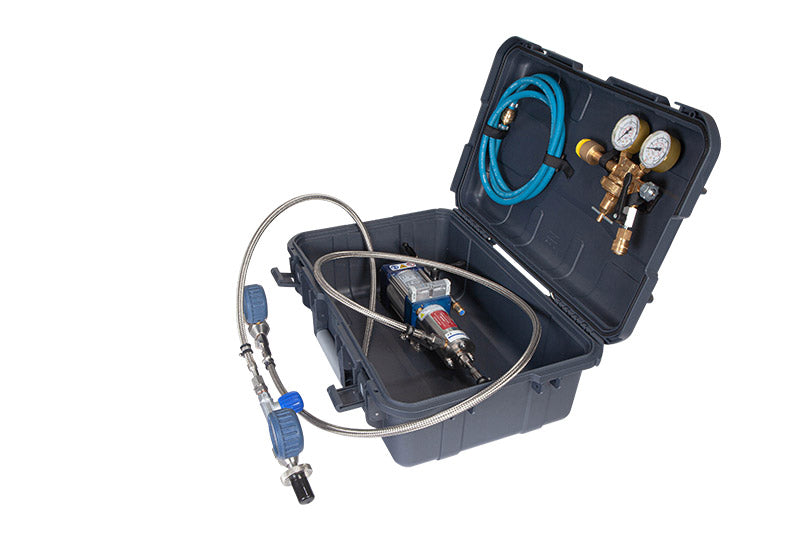
Für kurze Unterwasserarbeiten, bei denen Sie mehr Zeit für komfortables Arbeiten benötigen, sollten Sie ein kompaktes, wiederbefüllbares Luftsystem wie Sail Air in Betracht ziehen, das eine hilfreiche Atemunterstützung bietet, ohne dass eine komplette Tauchausrüstung erforderlich ist.
5. Luftsysteme, Nachfüllgeräte und Gasqualität prüfen (falls an Bord verwendet)
Wenn Sie Tauchaktivitäten unterstützen oder Unterwasserwartungsarbeiten planen, ist es wichtig, dass Ihre Atemluftsysteme vor dem Ablegen einsatzbereit und sicher sind. Mit wenigen einfachen Kontrollen lassen sich Probleme mit Atemgas, Nachfüllgeräten oder Drucksystemen vermeiden, gerade dann, wenn Sie sie am dringendsten benötigen.
Achten Sie darauf, die wichtigsten Punkte zu überprüfen:
-
Prüfen Sie, ob die nachfüllbaren Druckluftsysteme mit dem richtigen Druck befüllt sind.
-
Prüfen Sie Schläuche, Ventile, Manometer und Anschlüsse auf Verschleiß.
-
(Sofern zutreffend) Testen Sie Ihre Gasverstärker , um einen reibungslosen Betrieb zu gewährleisten
-
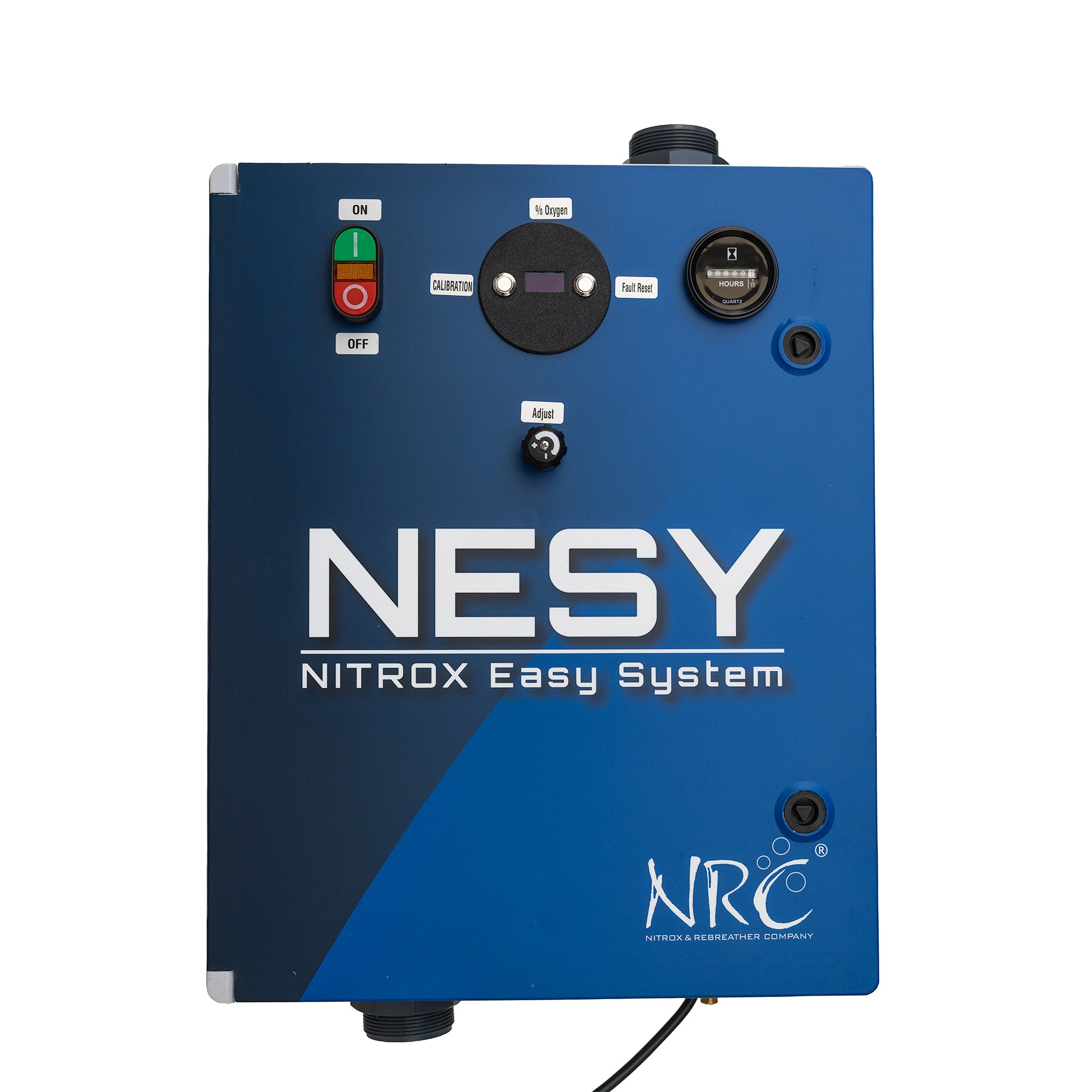
(Sofern zutreffend) Überprüfen Sie Ihr Nitrox-System , falls Sie eines zur Nitrox-Produktion verwenden.
-
Überprüfen Sie den Sauerstoffgehalt mit einem Gasanalysegerät.
-
Führen Sie Ersatz-O₂-Sensoren mit, damit Ihr Analysegerät stets genaue Messwerte liefert.
Ein gutes Luftmanagement erhöht die Sicherheit und Planbarkeit aller Unterwasserarbeiten. Wenn Ihre Boosteranlage, Ihr Membransystem und Ihre Atemgeräte zuverlässig funktionieren, können Sie sicher arbeiten und schnell auf jede Situation reagieren, die sauberes, korrekt analysiertes Gas erfordert.
Halten Sie Ihr Boot für jede Fahrt bereit.
Wenn Sie sich etwas Zeit für diese fünf Wartungsschritte nehmen, genießen Sie ein entspannteres und sichereres Erlebnis auf dem Wasser. Ein sauberer Rumpf, geprüfte Systeme und einsatzbereite Sicherheitsausrüstung reduzieren das Risiko unerwarteter Probleme und ermöglichen Ihnen mehr Sicherheit bei jeder Fahrt.
Eine Routine für diese Aufgaben trägt auch langfristig zum Schutz Ihrer Ausrüstung bei. Mit zuverlässigen Werkzeugen, Druckluftsystemen und verlässlicher Sicherheitstechnik sind Sie bestens gerüstet – vom kurzen Ausflug bis zum ganztägigen Unterwassereinsatz.
Wenn Sie Ihre Wartungsausrüstung modernisieren möchten, bietet NRC International Druckluftsysteme, Analysegeräte, Druckverstärker und Sicherheitslösungen in Marinequalität an, die speziell für Bootsbesitzer entwickelt wurden, die Wert auf Einsatzbereitschaft und Zuverlässigkeit legen. Mit der richtigen Ausrüstung an Bord wird jede Fahrt sicherer, einfacher und angenehmer.
Entdecken Sie den NRC-Katalog und finden Sie die beste Ausrüstung für Ihr nächstes Abenteuer!
Häufig gestellte Fragen
Welche wichtigen Wartungsarbeiten sind vor dem Zuwasserlassen eines Bootes durchzuführen?
Rumpfreinigung, Motorprüfung, Überprüfung der Sicherheitsausrüstung, Propellerinspektion und Bestätigung der Einsatzbereitschaft der Luft- oder Tauchsysteme (falls verwendet).
Wie oft sollte ich den Rumpf reinigen?
Nach jeder Fahrt sollte eine leichte Reinigung durchgeführt werden, um Ablagerungen vorzubeugen. Eine gründlichere Reinigung wird je nach Wasserqualität alle paar Wochen empfohlen.
Warum ist die Propellerinspektion so wichtig?
Selbst eine kleine Verwicklung oder Delle kann die Effizienz verringern, den Kraftstoffverbrauch erhöhen oder den Antriebsstrang beschädigen.