Haben Sie sich jemals gefragt, was die verschiedenen Benzinbooster eigentlich voneinander unterscheidet?
Egal ob Sie Gase mischen, Rebreather-Zylinder befüllen oder einfach nur das Beste aus jedem Bar Helium herausholen wollen, der von Ihnen gewählte Booster bestimmt, wie effizient und sicher Sie arbeiten.
Bevor man sich mit Funktionen oder Marken beschäftigt, ist es hilfreich zu verstehen, was ein Gasverstärker bewirkt und warum er im täglichen Tauchbetrieb wichtig ist.
Dieser Leitfaden führt Sie durch die Grundlagen und zeigt Ihnen genau, worauf Sie achten sollten, damit Sie mit Klarheit und Zuversicht den richtigen Booster auswählen können.
Was ist ein Gasverstärker?
Ein Gasverstärker ist ein Gerät, mit dem man Gas von einer Flasche mit niedrigerem Druck in eine andere Flasche mit höherem Druck umfüllt. Vereinfacht gesagt, hilft er dabei, einen Tank aufzufüllen, der noch mehr Druck benötigt, indem er Gas aus einer Quelle nutzt, die eigentlich weniger fasst.
Wenn Sie beispielsweise eine 50-Liter-Heliumflasche mit nur noch 30 bar Druck haben, würde das restliche Helium normalerweise ungenutzt bleiben. Mit einem Booster können Sie dieses Gas in eine Trimix-Flasche von einem vorherigen Tauchgang umfüllen, beispielsweise in eine Flasche mit 21 % Sauerstoff und 35 % Helium, bis Sie den berechneten Druck erreicht haben.
Was bewirkt ein Gasverstärker?
Ein Gasverstärker ist ein unverzichtbares Gerät, um den Druck eines Gases von einer Niederdruckquelle in eine Hochdruckflasche zu erhöhen. Hier einige seiner Funktionen:
1. Gasdruck erhöhen
Ein Booster befördert Gas von einer Niederdruckversorgung in eine Hochdruck-Tauchflasche, oft bis zu 200 oder 300 bar. Dadurch kann das restliche Gas in Speichern genutzt werden, dessen Fülldruck unter den Zielfülldruck gefallen ist.
2. Gasmischung aktivieren
Bei Gemischen wie Nitrox und Trimix hilft ein Booster, Sauerstoff oder Helium präzise hinzuzufügen, bevor die Flasche mit Luft aufgefüllt wird. Dieses Verfahren ist die Grundlage für die Partialdruckmischung zur Herstellung eines individuellen Gasgemisches.
3. Gewinnung von hochwertigen Gasen
Gase wie Helium und Sauerstoff können aus nahezu leeren Flaschen entnommen und in Lager- oder Tauchflaschen umgefüllt werden. Dadurch werden Abfall reduziert und Kosten gesenkt, da jeder verbleibende Bar genutzt wird.
5 Kriterien bei der Auswahl eines Gasverstärkers
Die Wahl des richtigen Gasverstärkers wird deutlich einfacher, wenn man weiß, welche Eigenschaften im täglichen Gebrauch am wichtigsten sind. Ein guter Verstärker sollte zu Ihrem Arbeitsablauf, den von Ihnen verwendeten Gasen und Ihrer Arbeitsumgebung passen.
Diese fünf Kriterien helfen Ihnen, jedes Modell sicher zu bewerten:
1. Ist es einfach zu bedienen?
Ein Gasverstärker sollte einfach einzurichten, zu verstehen und zu bedienen sein. Gut ablesbare Manometer, eine intuitive Ventilanordnung und unkomplizierte Schlauchanschlüsse erleichtern die Bedienung, insbesondere bei wiederholten Befüllvorgängen. Ein Design, das die Einrichtungszeit minimiert und Bedienungsfehler reduziert, ist stets effizienter.
2. Druckanforderungen
Unterschiedliche Tauchflaschen, Kreislaufgeräte und Mischverfahren erfordern unterschiedliche Enddrücke. Stellen Sie sicher, dass der Booster den benötigten Druckbereich sicher liefern kann, sei es etwa 200 bar, 232 bar oder bis zu 300 bar. Die Wahl des richtigen Druckbereichs gewährleistet präzise Füllvorgänge, ohne die Geräte zu überlasten.
3. Mobilität vs. feste Installation
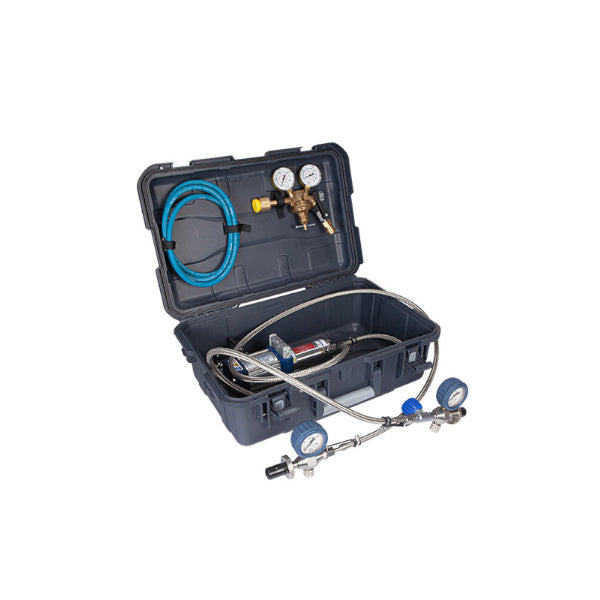
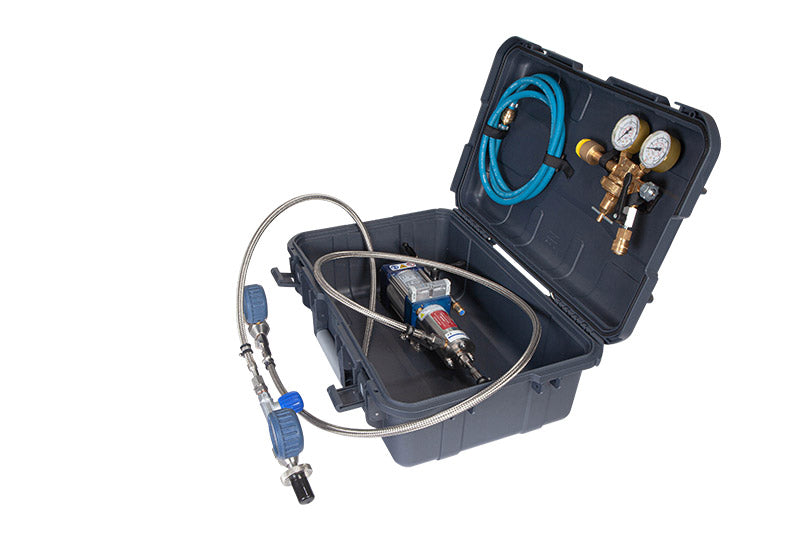
Manche Betriebe profitieren von einem mobilen Booster, der auf Booten, zu abgelegenen Einsatzorten oder zwischen verschiedenen Befüllstellen transportiert werden kann. Andere benötigen eine fest installierte Anlage in der Werkstatt. Berücksichtigen Sie Größe, Gewicht und Gehäuse des Boosters sowie dessen Eignung für Ihre Arbeitsumgebung oder ob ein häufiger Transport erforderlich ist.
4. Sicherheitsmerkmale
Ein zuverlässiger Booster muss über umfassende Sicherheitsvorkehrungen verfügen. Achten Sie auf Merkmale wie Schlauchbruchschutz, hochwertige Schläuche, geschützte Manometer und präzise Steuerventile. Da der Umgang mit Sauerstoff und Helium besondere Sorgfalt erfordert, spielen integrierte Sicherheitskomponenten eine entscheidende Rolle bei der Unfallverhütung und der Gewährleistung eines stabilen und vorhersehbaren Betriebs.
5. Schulung und Unterstützung
Auch bei einfacher Konstruktion ist eine gründliche Schulung unerlässlich. Wählen Sie ein Gerät, das mit klaren Anweisungen, leicht verständlicher Anleitung und Support vom Hersteller oder Lieferanten geliefert wird. Die korrekte Bedienung, Wartung und Kompatibilität mit Ihren Gasanschlüssen gewährleisten einen sicheren und effizienten Betrieb.
Den richtigen Booster mit Zuversicht auswählen

Ein Gasverstärker bietet mehr als nur Komfort. Er ermöglicht eine sichere, effiziente und präzise Gashandhabung, insbesondere bei der Arbeit mit Sauerstoff, Helium oder Gasgemischen. Sobald Sie die wichtigsten Kriterien – von der Benutzerfreundlichkeit über die Druckfähigkeit bis hin zu den Sicherheitsmerkmalen – kennen, wird die Auswahl des richtigen Systems deutlich einfacher.
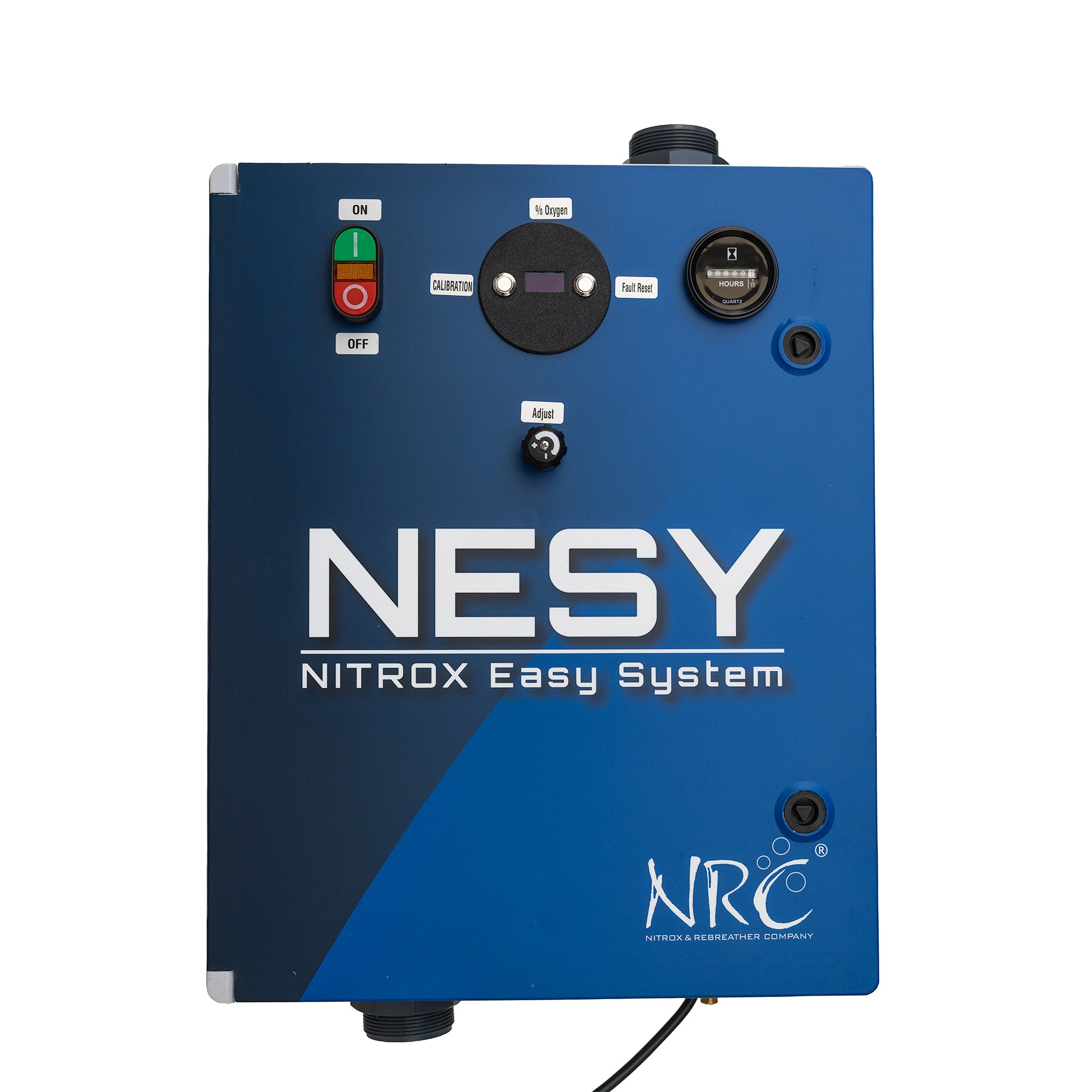
Bei der Auswahl des passenden Herstellers empfiehlt es sich, auf Unternehmen mit langjähriger Erfahrung im Bereich zuverlässiger Hochdruckgassysteme zu achten. NRC International ist eines dieser Unternehmen, das die Entwicklung von Druckerhöhungsanlagen über Jahrzehnte perfektioniert hat und in Deutschland entwickelte Systeme für sauberen Betrieb und zuverlässige Leistung anbietet.
Entdecken Sie die Gasförderanlagen- Produktpalette von NRC und finden Sie das Modell, das Ihren Anforderungen entspricht!
Häufig gestellte Fragen
Kann jeder Booster Sauerstoff verarbeiten?
Nein. Nur speziell entwickelte und mit sauerstoffverträglichen Materialien und Schmierstoffen hergestellte Booster sind für den Einsatz mit Sauerstoff geeignet. Die Verwendung eines ungeeigneten Boosters birgt ein hohes Brand- und Explosionsrisiko.
Wie wichtig ist die Luftqualität für das Fahrverhalten?
Das ist von entscheidender Bedeutung. Das Antriebsgas bzw. die Steuerluft für einen Booster muss ölfrei, gefiltert und trocken sein, um eine Verunreinigung der internen Mechanismen des Boosters zu verhindern und eine lange Lebensdauer zu gewährleisten.
Wie oft müssen Booster gewartet werden?
Die Wartungsintervalle hängen von der Nutzungshäufigkeit der Druckerhöhungsanlage ab, die meisten Systeme folgen jedoch einem festen Zeitplan. Grundlegende Prüfungen, wie die Inspektion und das Festziehen von Verbindungen, sollten monatlich durchgeführt werden. Eine detailliertere Wartung erfolgt in der Regel jährlich, eine vollständige Wartung alle drei Jahre. Die Einhaltung dieser Intervalle trägt zu einem sicheren und effizienten Betrieb der Druckerhöhungsanlage bei.