One of the best times to choose a breathing air compressor is before the season starts, while you still have room to plan. Deciding early means you can size the system to your operation and have it ready before the bookings arrive.
Choosing the right compressor comes down to a few honest questions about how you fill cylinders. This guide covers what a breathing air compressor is, how it works, and how to match one to your operation.
What Is a Breathing Air Compressor?

A breathing air compressor makes the clean, high-pressure air that divers breathe. It pulls in the air around it, squeezes that air to high pressure to fill diving cylinders, and cleans it on the way through filters that remove moisture, oil, and other contaminants.
That cleaning step is what sets it apart from an ordinary workshop compressor. A workshop compressor raises air pressure too, but it is not built to make air that is safe to breathe.
A breathing air compressor is the heart of a larger breathing air system, the setup an operation uses to make its own breathing gas on-site instead of buying cylinders pre-filled. It works alongside storage banks, which are large cylinders that hold spare compressed air, and oxygen analyzers, which confirm the gas is right. Operations that also offer Nitrox, meaning air with extra oxygen, add a system to produce it.
How Does A Breathing Air Compressor Work?
A breathing air compressor follows the same four steps on every fill, from the air around it to a full cylinder.
-
Air intake: The compressor draws in the surrounding air through an intake filter, which catches dust and larger particles before anything else happens.
-
Compression: It then squeezes the air to high pressure in stages. Squeezing air makes heat, so the compressor cools the air between stages to run efficiently and protect its parts.
-
Cleaning: The air passes through filters that strip out moisture, oil, and other contaminants until it reaches breathing-air quality.
-
Filling or storage: The clean air goes straight into a diving cylinder, or into storage banks, the large cylinders that hold spare air for busy periods.
For a dive center or liveaboard, the compressor is only the start. Once the air is made, it may be stored, checked with an analyzer, or turned into Nitrox before it reaches divers, depending on the gases you supply. That is why a yacht, a liveaboard, and a busy dive center each need a different setup, which is what the rest of this guide helps you work out.
How To Choose The Right Breathing Air Compressor
The right compressor depends on how you plan to use it. Work through these five questions to narrow it down.
1. How Many Cylinders Will You Fill?
The number of cylinders you fill each day sets the capacity you need. A small portable compressor can be enough for occasional personal use, while a dive center or liveaboard filling dozens of cylinders a day usually needs a larger stationary system.
Size the compressor for your busiest day, not your average one. That way you avoid a bottleneck on training weekends, busy charter mornings, or at the peak of the season.
2. Where Will the Compressor Be Installed?
Where the compressor will sit affects both its design and how long it lasts. A portable compressor suits yachts, sailboats, and expedition boats, where space is tight and the unit may need to move. A stationary compressor fits a dedicated compressor room, where you have space for higher output and larger storage banks.
Check the conditions of the spot before you choose. Salt in the air, ventilation, the power supply, and the room temperature all affect which system will hold up.
3. Do You Need a Portable or Stationary Compressor?
This comes down to how often you fill. A portable compressor is built for mobility and small numbers of cylinders, so it suits personal diving, yachts, and occasional fills. A stationary compressor is built to run often and fill more, which is what most dive centers, liveaboards, and commercial operations need.
The Portable vs Stationary section below compares the two in more detail.
4. Will You Produce Nitrox or Other Gas Mixtures?
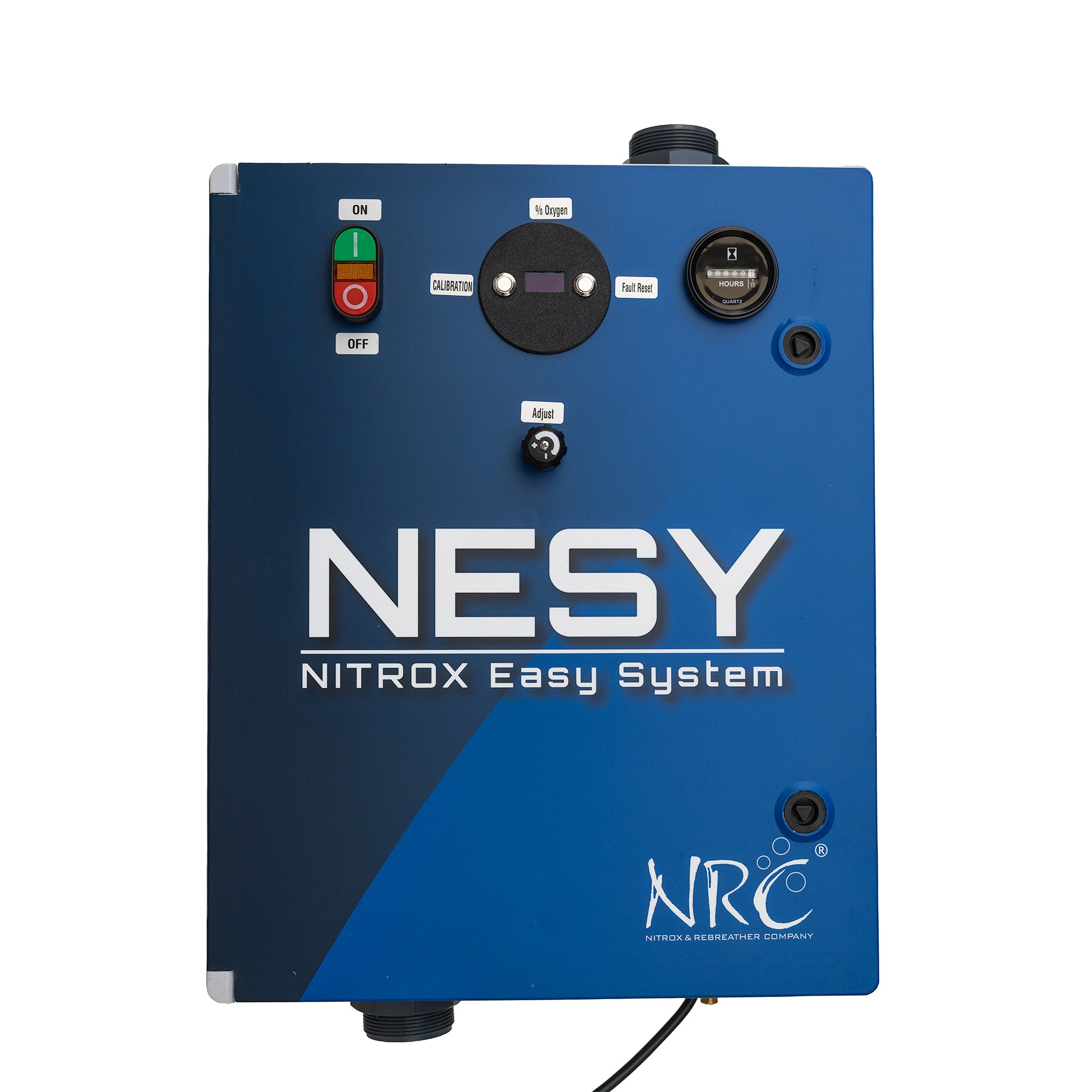
If you plan to offer Nitrox, the air with extra oxygen, the compressor becomes one part of a larger gas system rather than a standalone machine. A Nitrox setup usually adds a membrane system or blending equipment to raise the oxygen level, an oxygen analyzer to check the mix, and extra filtration to keep the gas clean.
Even if Nitrox is only a maybe for later, it is worth planning for now. A compressor that can join a Nitrox system makes that step much easier down the line.
5. How Quickly Do Cylinders Need to Be Ready?
How fast you need cylinders ready is not only about compressor size. Storage banks, the large cylinders that hold spare compressed air, let you build up a reserve during quiet times and draw on it when everyone wants a fill at once.
For a center with busy morning departures or several boats, storage banks often do more for turnaround than simply buying a bigger compressor.
Portable vs. Stationary Breathing Air Compressors
Portable and stationary breathing air compressors both make the same clean, high-pressure air. The difference is what each one is built for:
|
Feature |
Portable Compressor |
Stationary Compressor |
|
Built for |
Mobility |
Volume and continuous running |
|
Size |
Compact and light enough to carry |
Larger, installed in a fixed spot |
|
Best for |
Personal diving, yachts, sailboats, occasional fills |
Dive centers, liveaboards, commercial operations |
|
Filling volume |
A few cylinders at a time |
Higher daily volume |
|
Where it goes |
Tight spaces, moves with you |
A dedicated compressor room |
Which one fits comes down to how often you fill and how much air you need at once. A portable compressor gives you flexibility, while a stationary system keeps up with steady, higher demand.
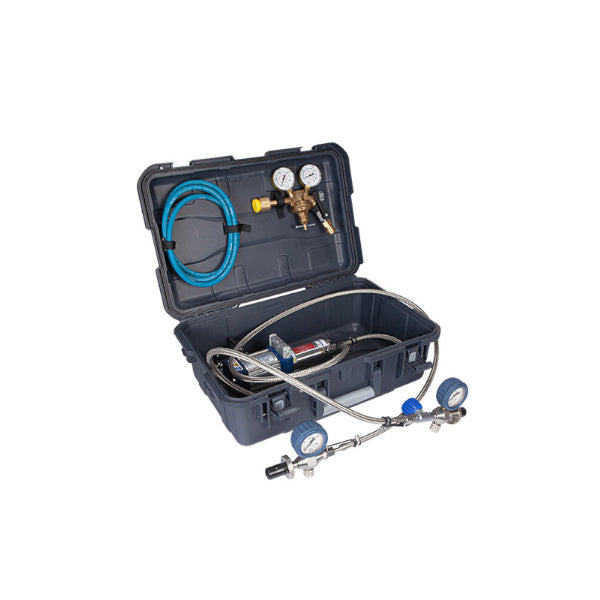
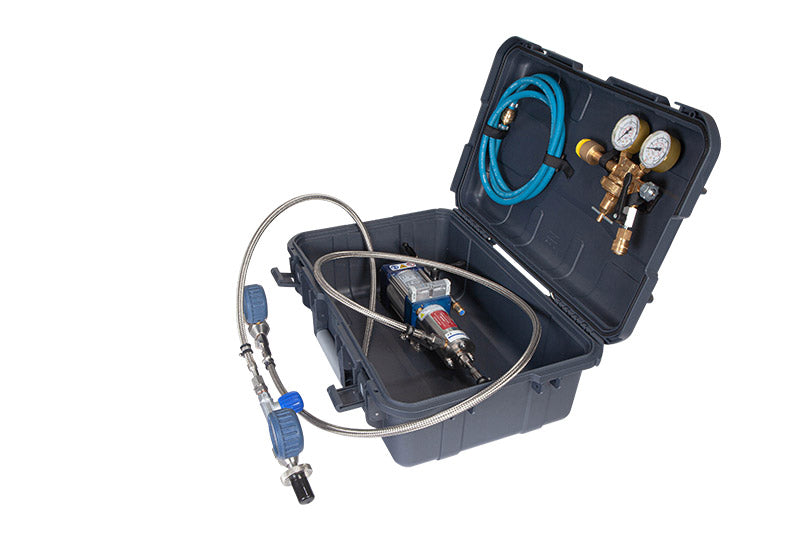
Looking for a portable breathing air compressor? NRC's Nano HP15 is designed for yachts and sailboats, while NRC's stationary breathing air systems support higher-volume dive operations.
Common Mistakes When Buying a Breathing Air Compressor
Choosing a breathing air compressor is about more than comparing specs. These are the mistakes buyers make most often before investing in a new system.
1. Buying a Compressor That's Too Small
Many buyers size a compressor for their average day instead of their busiest one. It works at first, then turns into a bottleneck as demand grows and cylinders start backing up.
2. Looking Only at Purchase Price
The cheapest compressor is not always the cheapest to run. Maintenance, energy use, the parts you replace regularly, and reliability all add to what the system really costs over its life.
3. Not Planning for Future Growth
If you might add boats, grow the operation, or start filling Nitrox later, choose a system that can grow with you. Upgrading a system that cannot stretch usually costs more than planning ahead.
4. Overlooking Maintenance and Service Support
A breathing air compressor needs regular servicing to keep running and to keep the air safe. Before you buy, check how often it needs servicing, the cost and availability of spare parts, and how easy it is to reach technical support.
5. Thinking Only About the Compressor
A breathing air compressor is only one part of a complete breathing air system. Depending on your operation, you may also need filtration, storage banks, oxygen analyzers, Nitrox equipment, or booster pumps. Planning the complete system helps improve efficiency and makes future expansion easier.
Get the Right System From the Start
Choosing breathing air equipment starts with understanding your operation: how often you fill, how many cylinders you handle, where the equipment will be used, and which gases you need to supply.
Since 2000, NRC International has supplied dive centers, liveaboards, and yacht owners in more than 35 countries with German-engineered breathing air equipment, from portable compressors like the Nano HP15 to complete breathing air systems, Nitrox production equipment, oxygen analyzers, and booster pumps.
Still comparing your options? Contact us to discuss your filling requirements and find equipment that fits your operation.
Frequently Asked Questions
How long does it take to fill a scuba cylinder?
It depends on the compressor's output, the cylinder size, and how empty the cylinder is to start. A small portable compressor takes longer, while a high-output stationary compressor fills faster and can handle several cylinders in a row.
How often should a breathing air compressor be serviced?
Service intervals vary by compressor model and operating hours. Following the manufacturer's recommended maintenance schedule and replacing consumables at the specified intervals helps maintain performance and breathing air quality.
Can a breathing air compressor produce Nitrox?
A standard breathing air compressor produces compressed air only. Producing Nitrox requires additional equipment, such as a membrane system or gas blending system, along with oxygen analysis to verify the final gas mixture before use.
Can a portable breathing air compressor fill scuba cylinders?
Some portable compressors are designed to fill standard scuba cylinders, while others are intended for smaller cylinders used for emergency or maintenance purposes. Always check the compressor's intended application, filling capacity, and maximum working pressure before selecting a system.