Compressors, gas systems, and safety equipment all face wear over time from continuous use, environmental exposure, and repeated pressure cycles.
Checking them annually with a service review will give dive centers the chance to catch problems early and reduce the risk of disruption during busy periods. This is especially important for equipment involved in gas production, storage, and filling operations.
This checklist highlights the main areas dive centers should review each year to support reliable equipment performance, safer operations, and more consistent service.
1. Compressor and Nitrox System Inspection
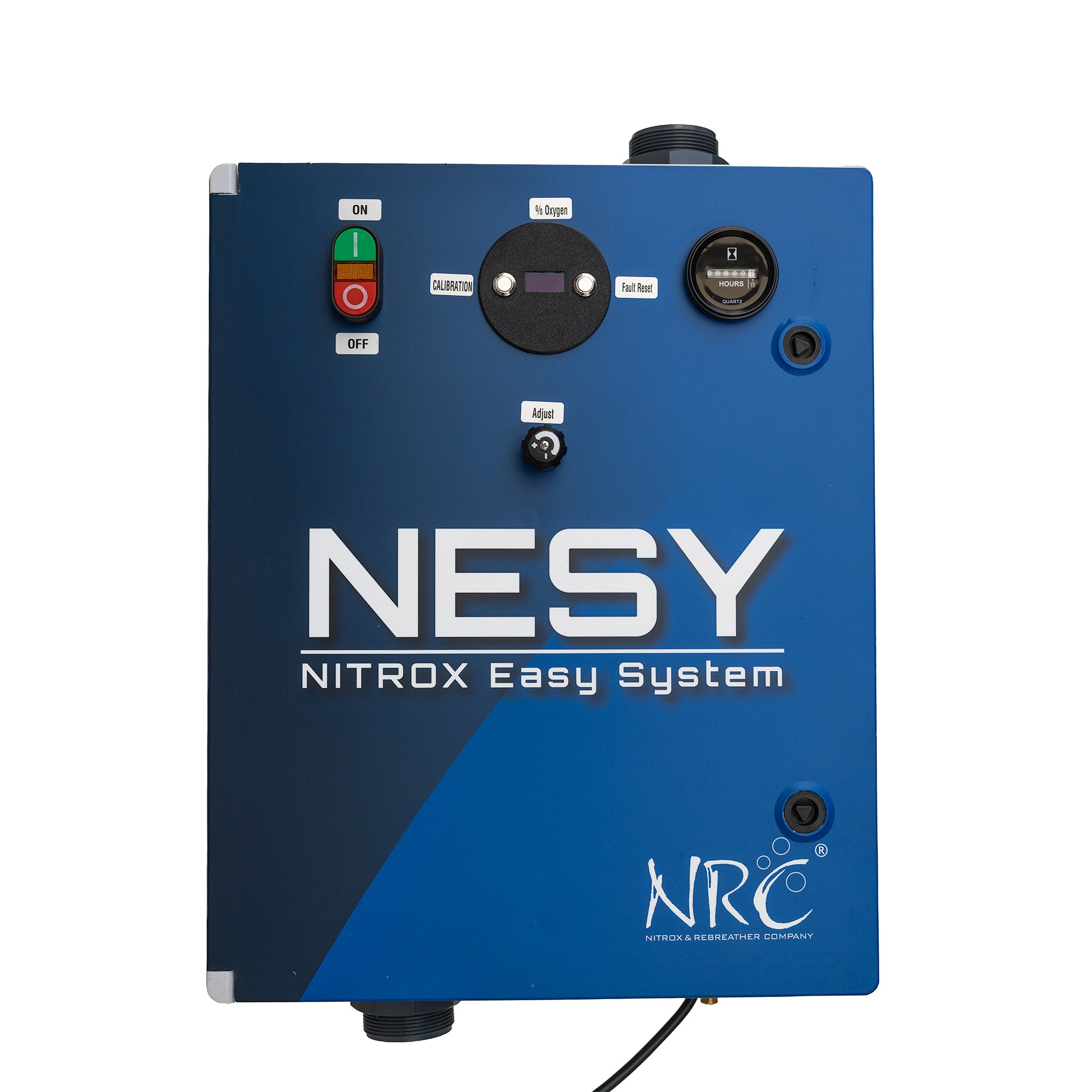
The breathing air compressor and a nitrox system are two of the most important parts of a dive center’s gas system, so they should be reviewed carefully as part of the annual service plan.
At a basic level, you could check whether the compressor is still performing as expected in daily use while still referring to safety procedures. That includes watching for anything unusual, such as:
-
Changes in operating sound
-
Visible leaks
-
Inconsistent filling performance
-
Other signs that the system is no longer running normally
The annual review should also refer back to the manufacturer’s manual. Confirm which checks, inspections, and service intervals are required each year, and review whether any bi-annual or longer-term inspection or testing requirements are coming due.
Any servicing beyond routine observation and basic checks should only be carried out by an authorized service specialist or another properly qualified professional, in line with the manufacturer’s recommendations. If your compressor is from NRC, you can contact us for support and service guidance.
2. Filtration System Replacement
Compressor filtration systems help maintain breathing air quality by removing moisture, oil vapor, and other contaminants from the air supply.
As part of the annual review, dive centers should check filter replacement records, confirm that cartridges are still within their service life, and inspect whether there are visible signs of soiling. Dirty filter elements can reduce compressor efficiency, so if contamination is visible, replacement is recommended.
You should also follow the manufacturer’s handling instructions when changing cartridges. In some systems, replacement filter cartridges should only be removed from their packaging when they are ready to be installed, since exposure to ambient air can affect the cartridge filling.
3. Gas Booster System Review
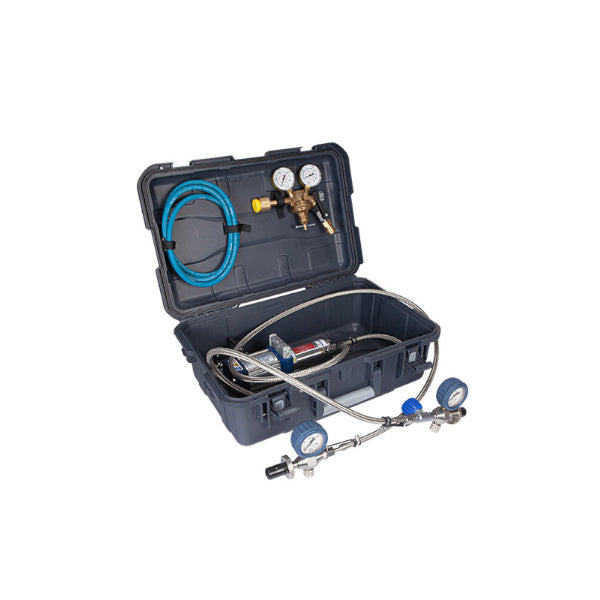
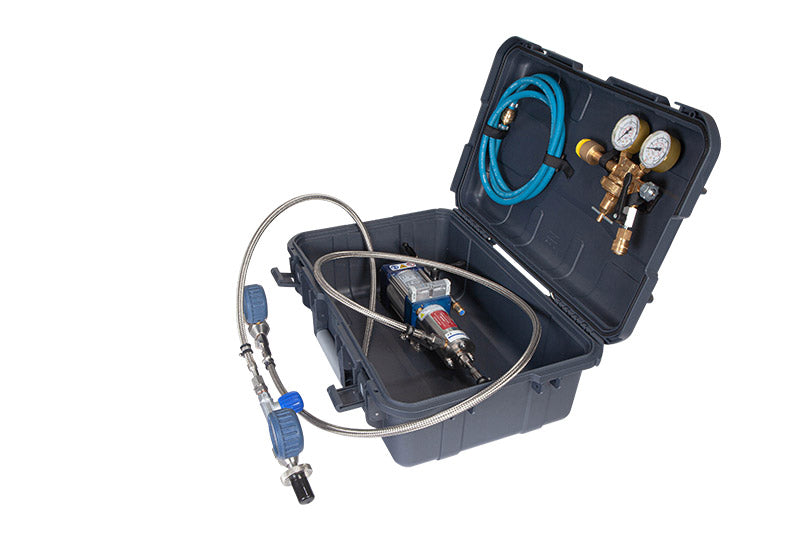
Because gas boosters operate under repeated pressure intensification cycles, they should be reviewed regularly to confirm that they are still performing safely and reliably while following the appropriate oxygen-clean standards and safety procedures
You should refer to the manufacturer’s manual for the scheduled maintenance intervals, and between service dates, you should also check for visible damage, leakage, or other signs that the unit is not operating normally after use.
Any servicing beyond routine observation should only be carried out by an authorized service specialist or another properly qualified professional, in line with the manufacturer’s recommendations. If your booster is from NRC, you can also contact us for support.
4. Gas Analyzer Calibration
Gas analyzers play a critical role in verifying breathing gas mixtures before cylinders are issued to divers.
Over time, sensors can degrade and produce less reliable readings. Service reviews should periodically confirm that analyzers are functioning properly and that calibration procedures are performed according to manufacturer recommendations.
Accurate gas analysis is important in ensuring that Nitrox and other mixtures meet the intended oxygen percentage before use.
5. Cylinder and Storage System Inspection
Cylinder and storage systems should also be reviewed as part of the annual service plan. In daily operations, one of the most important priorities is making sure these areas remain clean, organized, and easy to manage safely.
During the review, dive centers should confirm that cylinders, valves, storage areas, and related equipment are being kept in good order and handled according to any applicable requirements. A clean and well-organized storage setup will help reduce confusion, support safer gas handling, and make daily operations more efficient.
6. Gas Filling Station Review
The gas filling station is where compressors, Nitrox systems, storage banks, and filling panels come together in daily operations. Because so much activity happens in one area, the setup should be reviewed regularly to make sure it remains easy to navigate and safe for staff to use.
As part of the annual review, dive centers should look at whether the filling station is clearly labeled, logically organized, and supported by a workflow that helps staff move through the process without confusion. A well-structured filling area makes day-to-day operations smoother, especially during busy periods when speed and clarity matter most.
7. Safety Equipment and Emergency Systems
Safety equipment should also be part of the annual service review. In a dive operation, emergency systems only help if they are easy to access, clearly identified, and ready to use when needed.
This should include:
-
First aid kits
-
Emergency oxygen delivery systems
-
Fire extinguishers
-
Safety manuals and procedures
-
Emergency shutoff controls in the compressor room or gas filling area
Keeping safety equipment in good order supports a safer working environment for staff and helps the operation respond more effectively if an incident occurs. For liveaboards, this can also include lightweight emergency breathing solutions such as Sail Air, which are designed for quick access and easy use when a fast response is needed.
Why Annual Service Reviews Matter
Annual service reviews give dive centers the chance to check systems in advance, confirm that maintenance is up to date, and prepare for busy periods from a position of readiness.
A structured annual review helps operators:
-
Spot issues before they interrupt daily operations
-
Keep maintenance and inspection schedules on track
-
Plan servicing more efficiently
-
Support reliable gas production and handling
-
Maintain safer working conditions for staff and divers
That is why annual reviews are part of keeping the operation dependable, efficient, and ready for demand when the season picks up.
Supporting Dive Center Gas Infrastructure
Annual service reviews help dive centers maintain reliable operations year-round, and the best results come when strong systems and regular reviews work together from the start.
Founded in 2000, NRC International has supplied dive operations in more than 35 countries with Nitrox systems, compressors, TEC gas boosters, gas analyzers, and related gas infrastructure. For dive centers planning annual maintenance and long-term service reliability, the right equipment setup makes a real difference.
If your dive center is reviewing its gas equipment this season, contact us for support with Nitrox systems, compressors, boosters, and analyzers!