In professional dive operations, compressors and gas boosters handle pressure in different ways and at different stages of the gas handling process. Both are useful, but they serve different functions.
A compressor produces breathable gas from the surrounding air, while a booster intensifies the pressure of a gas cylinder that already exists. Most operations that work with Nitrox or technical gases usually need both.
What is a Compressor in Diving?
A compressor is a machine that takes the air around you and compresses it into a much smaller, high-pressure form.
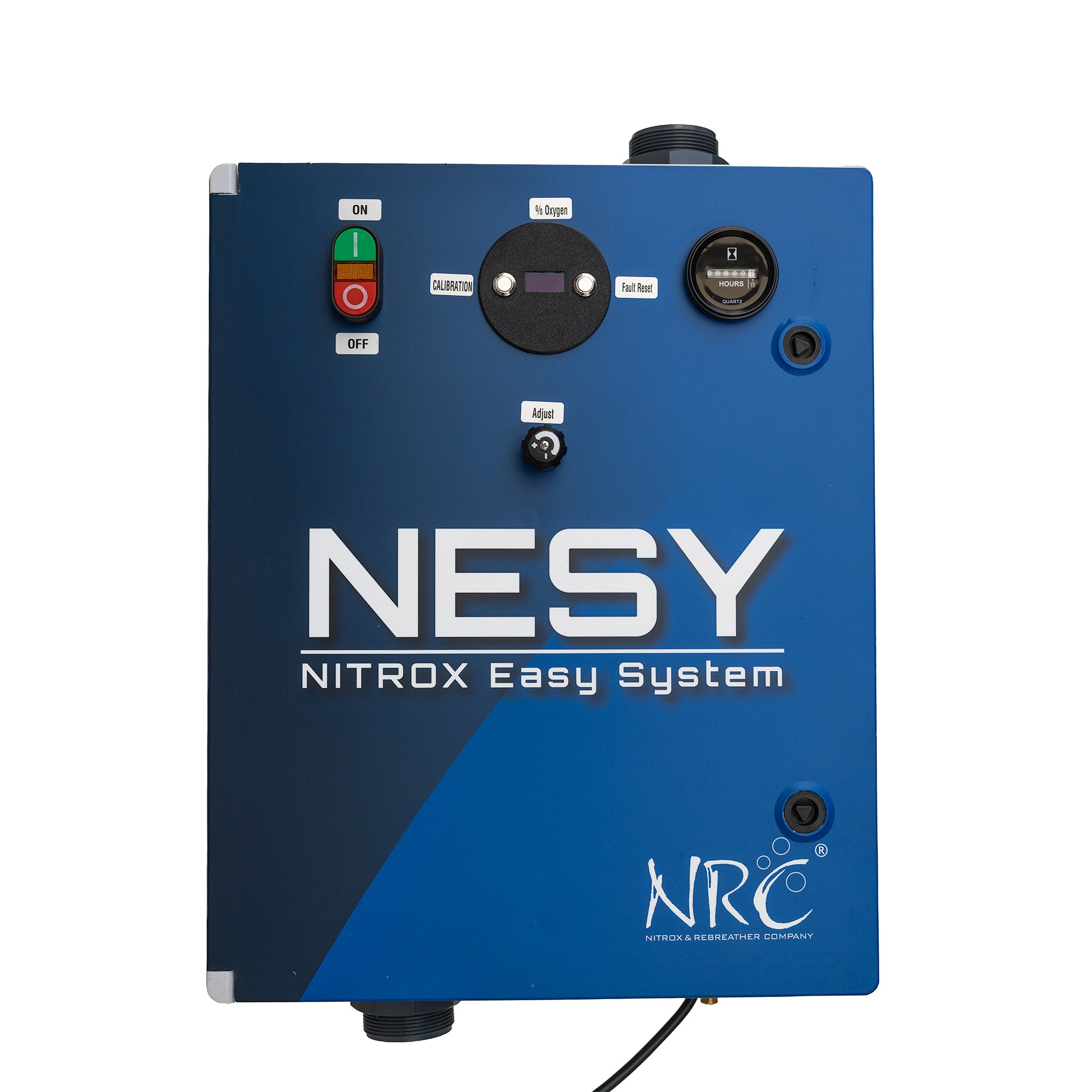
In a dive operation, that compressed air gets used in a few ways, such as filling your diving cylinders with regular breathing air, feeding and compressing air into a Nitrox membrane system to produce enriched gas, or supplying the drive air that powers a pneumatic gas booster.
What is a Gas Booster in Diving?
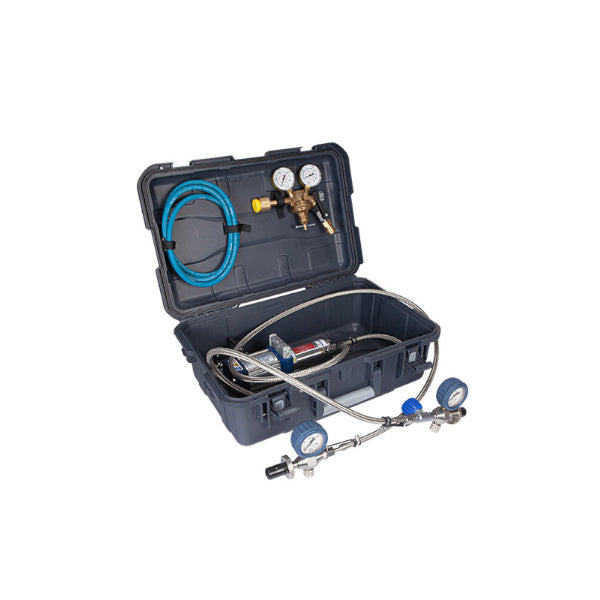
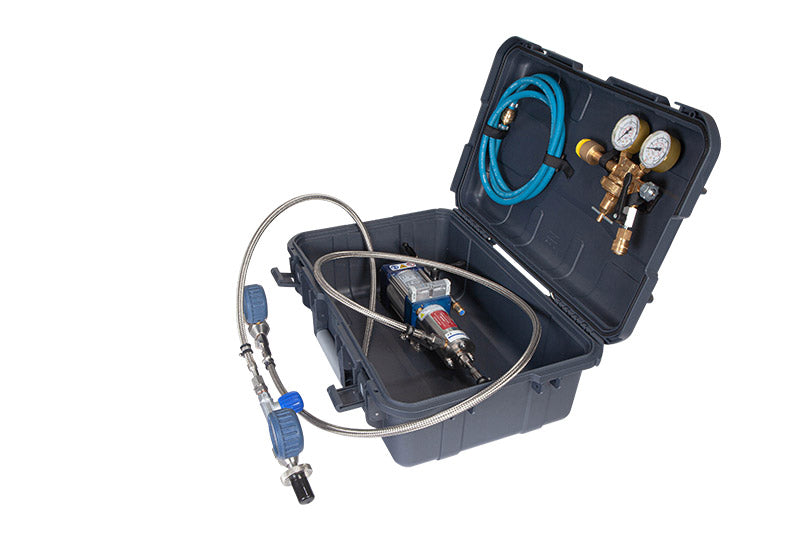
Unlike a compressor, a gas booster does not generate gas. It takes existing gas from a lower-pressure supply cylinder and transfers it into a higher-pressure receiving cylinder. It is a pressure intensifier.
To produce EAN32, you start by adding a calculated amount of pure oxygen to a cylinder at partial pressure, then top it off with air to reach your target blend and fill pressure. The booster is what makes that oxygen transfer possible, moving gas from the supply cylinder into the diving cylinder under controlled pressure.
Key point
A compressor compresses ambient air for breathing and cylinder fills. That same compressed air can also serve as the drive air that powers a gas booster. They are fundamentally different tools, but in most technical dive operations, they work together.
Compressor vs. Booster: Biggest Differences

|
Feature |
Compressor |
Booster |
|
Gas source |
Ambient air |
Pre-compressed gas (oxygen, helium, Nitrox) |
|
Primary function |
Compresses air into a cylinder |
Increases the pressure of existing gas |
|
Power source |
Electric motor |
Compressed drive air (no electric motor) |
When is a Compressor Enough?
If your operation runs air-only recreational diving, without stored pure oxygen, Nitrox service, or technical gas mixing, a compressor is sufficient.
In that case, focus your investment on effective filtration, adequate storage bank capacity, and a structured service schedule.
When Do You Need a Gas Booster?
You need a booster any time your operation works with pure oxygen or technical gas mixes. A compressor alone cannot safely transfer pure oxygen or produce the precise blends that technical diving requires.
That covers situations like:
-
Partial pressure Nitrox blending
-
Trimix and helium-based mixes
-
Rebreather oxygen fills
Once you move into any of these services, a compressor alone is not enough.
Need Help Planning Your Gas Setup?
Whether you are building a new gas station or expanding into technical gas services, getting your equipment combination right from the start determines fill speed, gas purity, and long-term operating cost.
Founded in 2000, NRC International has supplied German-engineered gas systems to dive operations in more than 35 countries. Our range covers air compressors, Nitrox systems, TEC Boosters, and complete gas station solutions designed to work together.
Contact us to discuss the right setup for your operation!
Frequently Asked Questions
Does a booster replace a compressor?
No. They are fundamentally different pieces of equipment. A compressor generates gas from ambient air. A booster intensifies the gas that already exists. One produces, the other transfers. You cannot swap one for the other.
Can I run Nitrox with just a compressor?
No. A compressor on its own only compresses ambient air, which is 21 percent oxygen. To produce Nitrox, you need a complete Nitrox membrane system that enriches the oxygen concentration before the gas reaches your cylinders, or a booster paired with a pure oxygen supply for partial pressure blending.
Do I need both a compressor and a booster?
It depends on what you offer. If you run air-only recreational diving, a compressor is enough. Once you move into Nitrox blending, Trimix, oxygen service, or helium recovery, you will need both. The compressor handles your air supply. The booster handles the precision gas work.