For liveaboards and remote dive centers, the compressor is what the entire dive schedule runs on. Every cylinder that goes out to a diver passes through it, and when it stops working, so does everything else.
In remote locations, being hours away from the nearest service technician or parts supplier turns what would otherwise be a fixable problem into a trip-ending one.
Why Compressor Downtime Hits Remote Operations Harder
Shore-based dive centers close to urban areas can usually source a part or get a technician out within a day. Liveaboards and remote dive resorts work with whatever is already onboard, and that changes the stakes considerably.
Cancelled dives mean unhappy guests, refund requests, and reviews that follow the operation long after the trip ends. Getting ahead of failures before they happen is the only real option available.
Common Causes of Compressor Downtime
Most compressor failures do not happen without warning. They develop gradually through a combination of factors that are manageable when caught early but costly when ignored.
The most common causes are:
-
Filter saturation. Filtration systems remove moisture, oil vapor, and contaminants from the air stream. When filters reach their service limit, airflow drops, and performance follows.
-
Thermal stress. Compressors generate significant heat under continuous operation, especially on high-volume fill days. Without adequate cooling and rest cycles, that heat accelerates component wear.
-
Environmental conditions. Salt air, humidity, and continuous duty cycles place additional stress on compressor components that land-based equipment simply does not face.
Understanding what drives these failures is the first step toward preventing them.
How Operators Prevent Compressor Downtime
Prevention comes down to discipline more than anything else. The operations that keep their compressors running reliably are the ones that treat maintenance as a fixed part of the schedule rather than something that happens when a problem shows up.
Here is what that looks like in practice:
1. Follow a Preventive Maintenance Schedule
Compressors give plenty of warning before they fail, but only to operators who are paying attention. A documented service schedule, with set intervals for filter changes, valve inspections, oil checks, and pressure tests, keeps the equipment in a known state rather than a guessed one.
For remote operations, that schedule needs to account for the fact that parts take time to arrive. Servicing ahead of intervals rather than at them is the safer approach.
2. Monitoring Compressor Performance
A compressor that is developing a problem will usually show it before it becomes a failure. Fill times getting longer, operating temperatures creeping up, and pressure readings sitting outside their normal range are all early signs that something needs attention.
Building a quick daily check into the routine, before the first fill of the day and after heavy use, gives operators the best chance of catching those signs while there is still time to act on them.
3. Stay on Top of Filter Replacements
Filters are one of the most straightforward parts of compressor maintenance and one of the most commonly deferred. As filter elements approach saturation, they restrict airflow, reduce fill efficiency, and put additional strain on the compressor internals trying to compensate.
For remote operations, the practical rule is to carry more filter stock than needed and replace on schedule regardless of how the filters look. By the time a saturated filter is visually obvious, it has already been affecting performance for a while.
4. Keep Essential Spare Parts Onboard
Waiting for a parts delivery is not an option when the nearest supplier is days away. Liveaboards and remote dive centers that stock commonly needed service components, filter cartridges, seals, and valve parts can handle routine servicing and minor repairs without interrupting operations.
The goal is not to carry a full workshop on board but to have enough on hand to get through a trip without being grounded by something small.
5. Build a Gas System That Does Not Overwork the Compressor
A compressor running at full capacity all day, every day, will wear out faster than one that operates within a balanced system. Storage banks absorb peak demand by letting the compressor fill them during quieter periods, then drawing from that reserve during busy fill windows rather than running the compressor continuously.
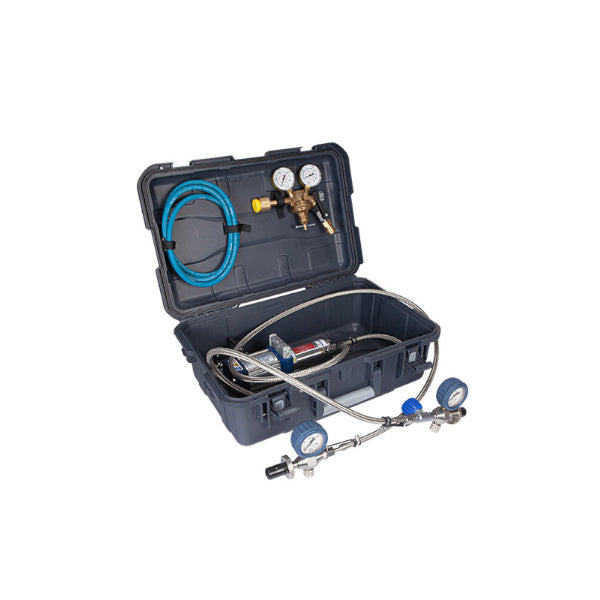
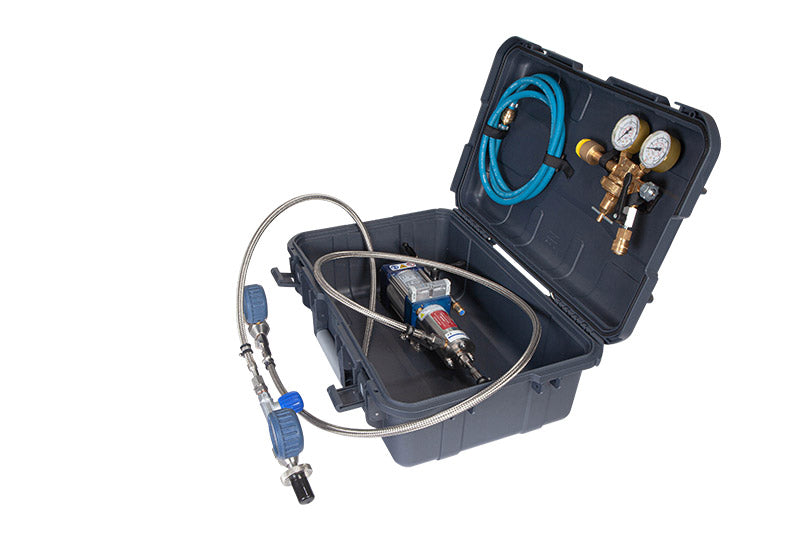
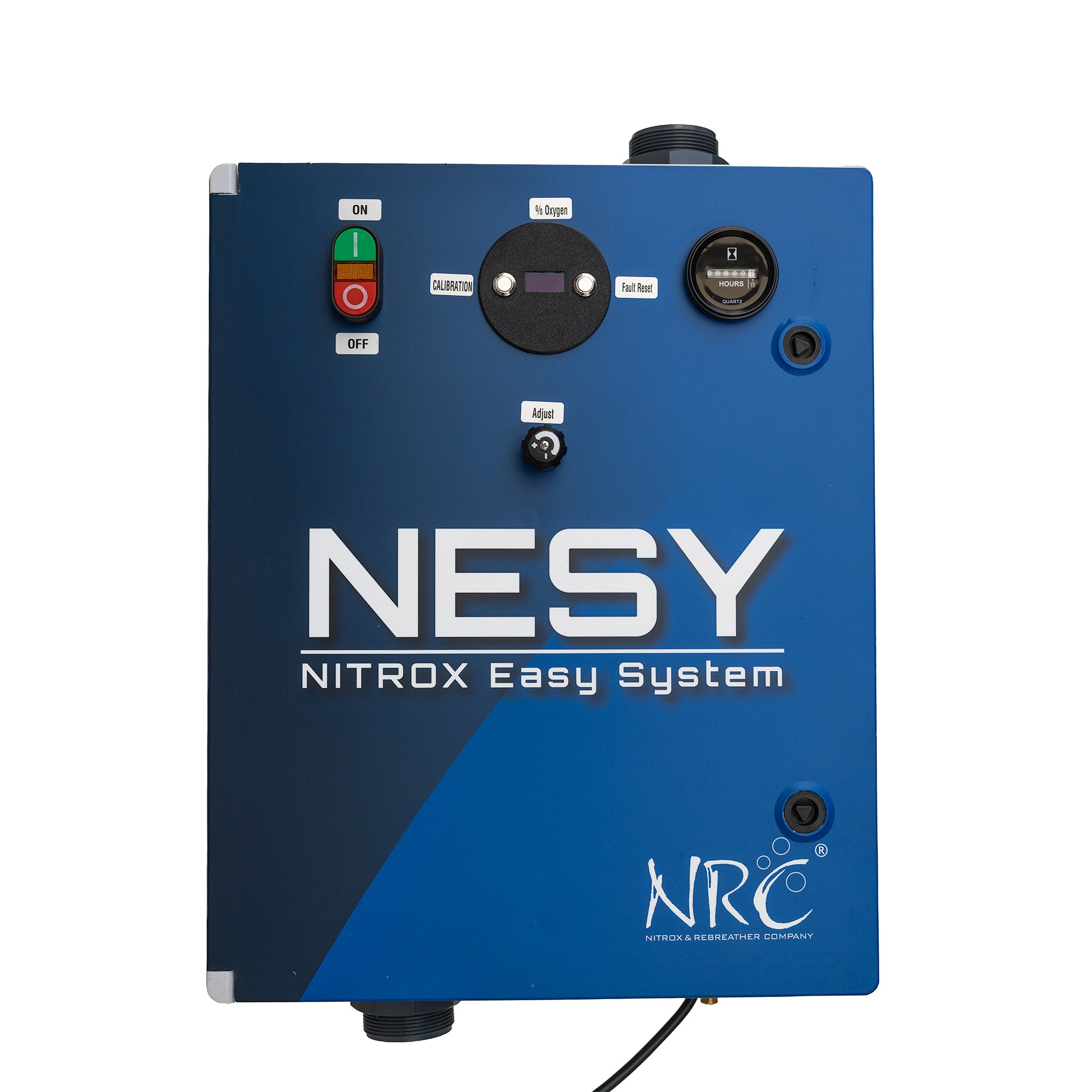
Nitrox membrane systems like the ones NRC builds take some of the load off as well, handling enriched air production separately so the compressor is not doing everything alone.
Is Your Compressor Set Up to Last?
Prepare the worst with compressor set up of NRC International.
NRC International has been supplying gas handling equipment to liveaboards and professional dive operations since 2000, with systems running in more than 35 countries.
From Nitrox membrane systems to storage solutions, every product is built for the demands of remote, high-volume dive operations.
If your current setup is putting more strain on your compressor than it should, contact us today, and let's talk about what your operation needs!