Have you ever noticed how two filling setups using the same booster can produce different fill times?
In professional dive centers, gas transfer speed directly affects daily output, staff workload, and more. When fills take longer than expected, the issue is often the surrounding system, not only the booster itself.
A gas booster can only move gas as efficiently as the conditions allow. Before comparing booster models or specifications, let’s take a look at the factors that influence real-world gas transfer performance.
What Determines a Booster Gas Transfer Speed?
A gas booster transfers pressure by using a mechanical piston ratio to intensify low-pressure drive gas into high-pressure output. While the basic operating principle is simple, actual transfer speed varies widely depending on operating conditions and booster design.
In many uses, booster performance is determined by three factors:
1. Drive Gas Pressure
The speed of a pneumatic booster is directly dependent on the pressure and quantity of drive gas supplied. The drive gas must provide enough force to overcome the resistance of the high-pressure gas being compressed.
If drive pressure is too low, or if the available air volume cannot sustain stroke frequency, the booster will cycle slowly regardless of its rated capability. Increasing drive pressure within the manufacturer’s limits is often the primary method used to increase transfer speed.
2. Thermal Management
Gas transfer speed must be balanced against temperature limits within the system.
As gas is compressed, heat is generated at the outlet side of the booster. Excessive temperatures can damage seals and reduce service life, which is why operators are instructed to control booster speed to keep temperatures within safe operating limits (per the manufacturer’s guidance).
At the same time, the rapid expansion of the drive gas causes cooling on the control side. If the booster cycles too quickly, icing can occur, leading to valve malfunction or unplanned shutdowns. In practice, throttle valves are used to regulate speed and maintain stable operating temperatures.
3. The Booster Itself
Gas transfer speed is also affected by how the booster is operated and its internal condition.
Speed is commonly regulated using ball valve throttles on the drive gas side. During pressure equalization or decanting before boosting, flow is commonly limited to a controlled rate (for example, around 25 bar per minute, depending on system design) to prevent check valve flutter, which can cause rapid wear and reduced efficiency.
Over time, common gas booster problems such as worn seals, sticking valves, or internal contamination can slow cycling and reduce transfer speed. When this happens, slower fills are often a sign that the booster itself requires inspection or service.
Maximize Your Gas Transfer Speed
Maximizing gas transfer speed comes from using a booster that is engineered to perform efficiently once the surrounding system is optimized.
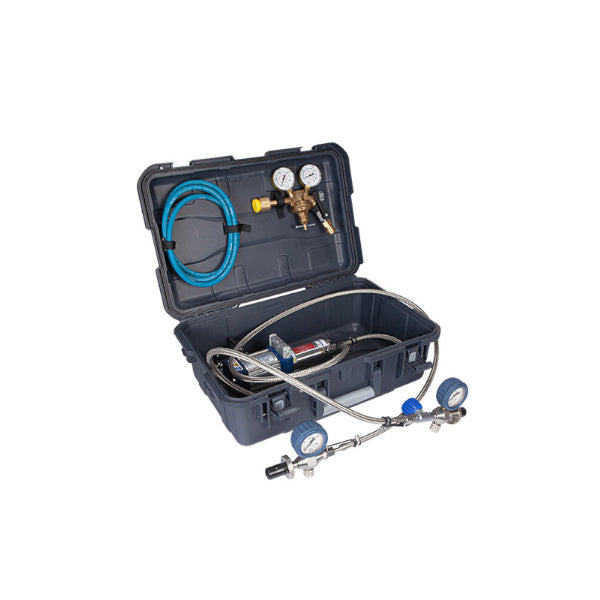
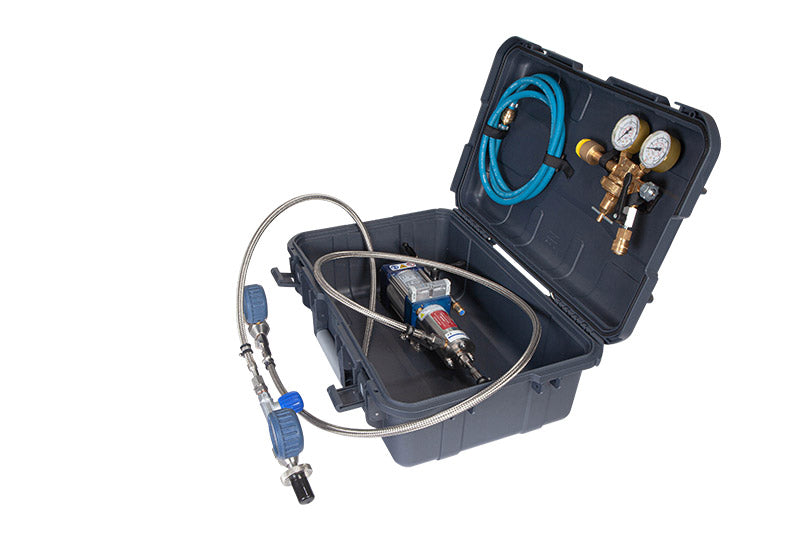
NRC International gas boosters are built for professional dive centers where fill speed, reliability, and controlled operation matter every day. Designed for stable cycling, durable internal components, and predictable performance across a wide pressure range, NRC boosters form the core of high-performance gas transfer systems.
Reduce fill times and increase output today with NRC gas boosters that are built for high-performance gas transfer systems!
Frequently Asked Questions
What is the ideal drive gas pressure for a booster?
The optimal drive gas pressure depends on the specific booster model and is defined by the manufacturer. Operating near the upper end of the recommended range generally increases transfer speed, but maximum rated pressure must never be exceeded.
Why use a digital manometer instead of an analog gauge?
Digital manometers can offer higher accuracy, depending on their specification, and help reduce reading and interpretation errors. This level of precision supports safer and more efficient management of high-pressure gas transfers.
Why does gas transfer slow down near the end of a fill?
A gas booster allows filling beyond what direct decanting can achieve, but transfer speed still decreases as target pressure rises. As the pressure difference between the inlet and the outlet increases, each booster stroke delivers less gas. This behavior is inherent to booster operation and occurs even in well-optimized systems.