Every breathing gas has a depth limit. In diving, this limit is called the Maximum Operating Depth (MOD), and it represents the deepest point at which a specific gas mixture can be safely breathed. That limit is determined by the partial pressure of oxygen (pO₂) in the gas.
As a diver descends, pressure increases, and so does the pO₂ of whatever gas they are breathing. If it climbs too high, the diver risks central nervous system (CNS) oxygen toxicity, a condition that can trigger sudden convulsions with little warning.
To manage this risk, divers calculate MOD before a dive to keep oxygen exposure within accepted safety limits throughout. The concept applies to Nitrox, Trimix, Heliox, and even plain air, so it forms a routine part of dive planning and gas management regardless of the gas mixture used.
Oxygen Partial Pressure Safety Limits in Diving
In Nitrox diving, the standard working pO₂ limit is 1.4 bar, applied during the main phase of a dive when a diver may spend extended time at depth. Some training agencies also recognize a second threshold at 1.6 bar, though this is treated as a contingency depth rather than a routine operating limit.
Diving at or beyond 1.6 bar carries a greater risk of CNS oxygen toxicity. Since its onset can occur without warning, most divers plan to stay well within the 1.4 bar limit throughout the dive.
MOD calculations are based on whichever limit applies to the planned dive, keeping oxygen exposure within safe boundaries at every stage.
MOD Calculation Formula
Once the acceptable oxygen partial pressure limit is selected, the Maximum Operating Depth can be calculated using a simple formula. The calculation determines the depth at which the oxygen partial pressure of a gas mixture reaches the chosen safety limit.
The formula is:
MOD = Conversion Factor × [(pO₂ / FO₂) − 1]
Where:
-
pO₂ = the maximum oxygen partial pressure limit you are diving to
-
FO₂ = the fraction of oxygen in your breathing gas (e.g., 0.36 for 36% oxygen)
The conversion factor depends on the unit used for depth:
-
10 when calculating depth in meters of seawater (msw)
-
33 when calculating depth in feet of seawater (fsw)
For example, if a gas mixture contains 36% oxygen (FO₂ = 0.36) and the pO₂ safety limit is 1.4 ATA, the MOD in meters would be calculated as:
MOD = 10 × [(1.4 / 0.36) - 1] ≈ 28.9 meters
Alternatively, when calculating in feet, the formula is expressed as:
MOD = 33 × [(1.4 / 0.36) − 1] ≈ 95.3 feet
This value represents the deepest depth at which that breathing gas should be used during the dive.
Maintaining MOD Safety in Dive Operations
For dive centers and liveaboards, MOD safety starts with accurate gas blending and analysis. Even a small deviation in FO₂ can shift the safe depth limit by a meaningful margin, which is why most operations build their gas handling around three core steps: calibration, documentation, and labeling.
Calibration
Oxygen analyzers should first be calibrated to ambient pressure before every measurement. Taking a few extra minutes to calibrate properly means the oxygen concentration reading is reliable before a cylinder is approved for use, giving both the dive center and the diver confidence in the gas they are about to breathe.
Documentation
Each gas analysis should be logged with the measured FO₂, the calculated MOD, and the diver's signature confirming they have personally verified the gas mixture before the dive. Keeping a clear paper trail also makes it easier to spot any inconsistencies across cylinders, especially on busy days when multiple gases are being blended and used at the same time.
Labeling
Each cylinder should be clearly labeled with its oxygen fraction and corresponding MOD. Most dive computers will display the MOD automatically once the gas is set, but a physical label on the cylinder gives divers a quick visual confirmation at the surface before they even enter the water. It is a small step that adds a useful layer of clarity to the whole process.
Reliable Gas Systems Ensure Reliable MOD Limits
Maximum Operating Depth is a key safety parameter based on oxygen partial pressure (pO₂). Maintaining safe MOD limits requires accurate gas blending, reliable oxygen analysis, and controlled pressure handling throughout the gas production process.
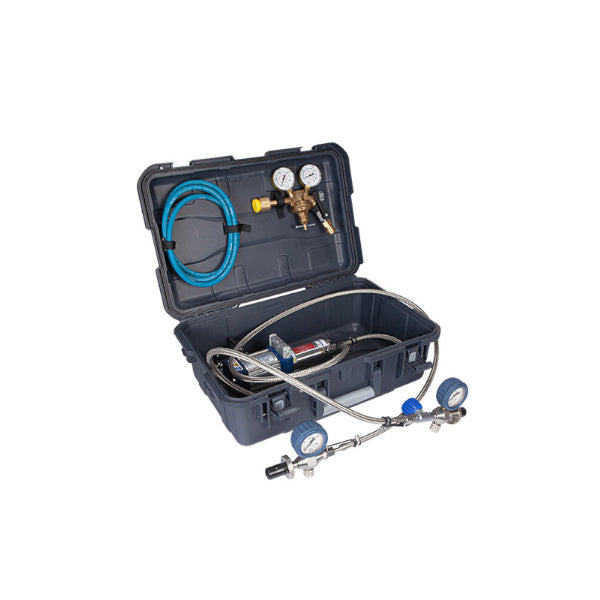
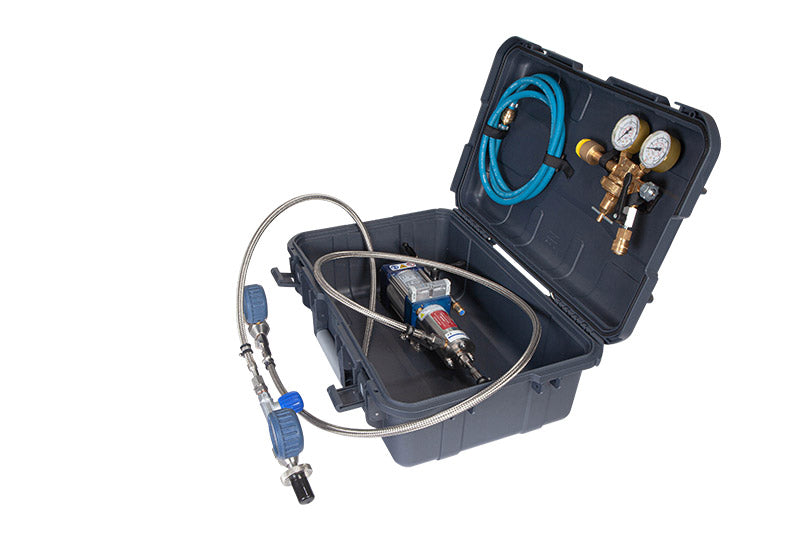
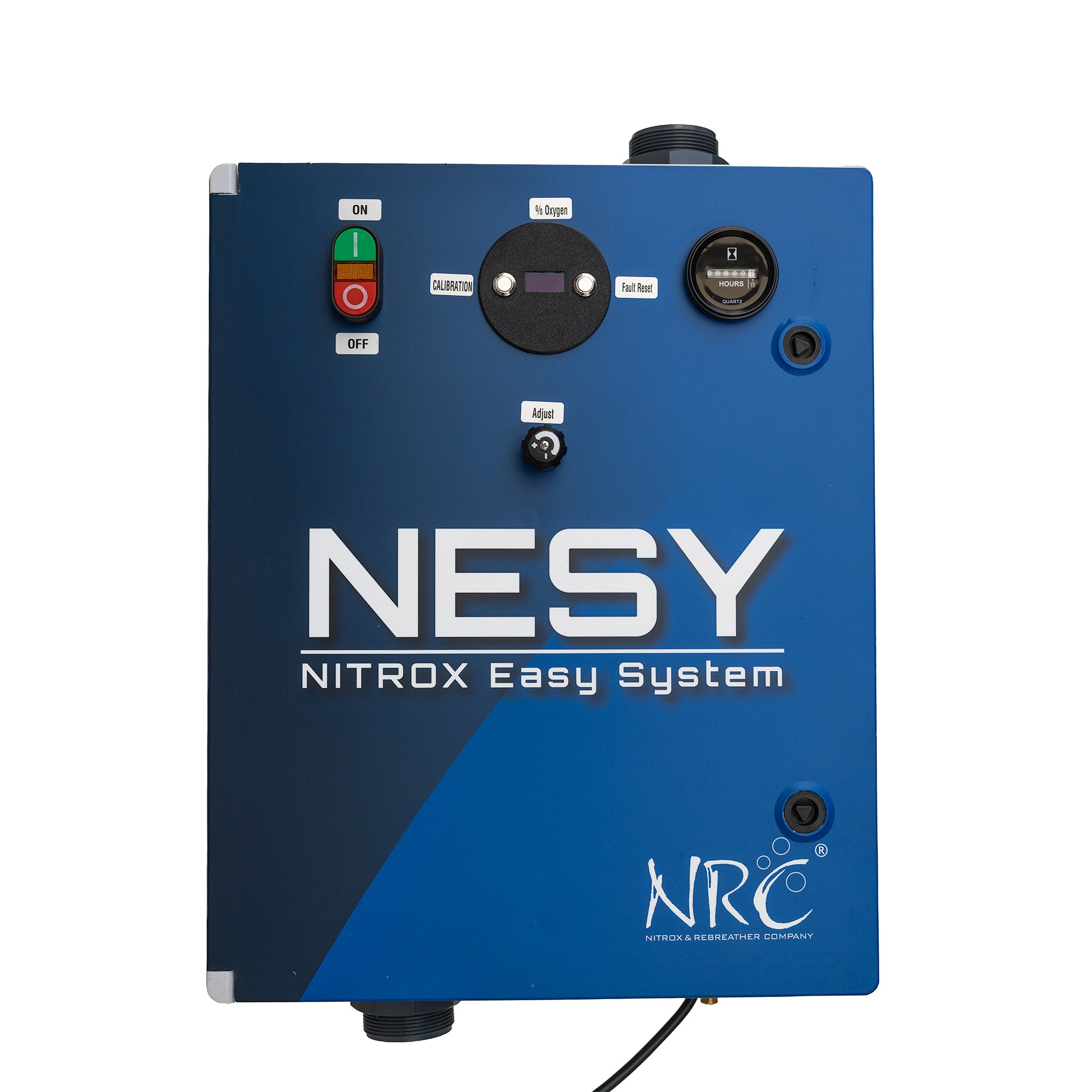
With decades of experience in Nitrox systems and professional diving equipment, NRC International supports dive centers and liveaboards with reliable, German-engineered gas solutions trusted in more than 35 countries. From Nitrox membrane systems to precision instruments like the NRC PIC O₂ Analyzer, we help operators verify gas composition and maintain consistent mixture accuracy.
Equip your operation with NRC and keep your gas production precise, predictable, and safe!