A gas filling station is the operational heart of a dive center. It allows operators to compress, store, blend, analyze, and deliver breathing gases safely and efficiently.
Whether you're opening a new dive center or upgrading an existing facility, having the right components in place is essential for diver safety, operational reliability, and future growth.
This article breaks down the key components every dive center needs in a professional gas filling station and explains why each one matters.
What is a Gas Filling Station?
A gas filling station is the system that allows a dive center to produce, store, analyze, and fill breathing gases safely.
It brings together a compressor, a Nitrox system, gas boosters, analyzers, and storage banks into one integrated setup that supports the full range of a dive center's gas handling needs.
Here is what each of those components does and their usage:
Inside a professional gas filling station
Every cylinder a diver breathes from passes through these 6 components.
1. High-Pressure Breathing Air Compressor
The compressor is where everything starts. It pressurizes ambient air to the levels needed to fill diving cylinders, typically up to 200 or 300 bar, while filtering out moisture, oil vapor, and contaminants along the way.
For a busy dive center, compressor capacity is what determines how quickly tanks turn around between dives. Getting the sizing right from the start saves a lot of operational headaches later.
2. Nitrox Production System
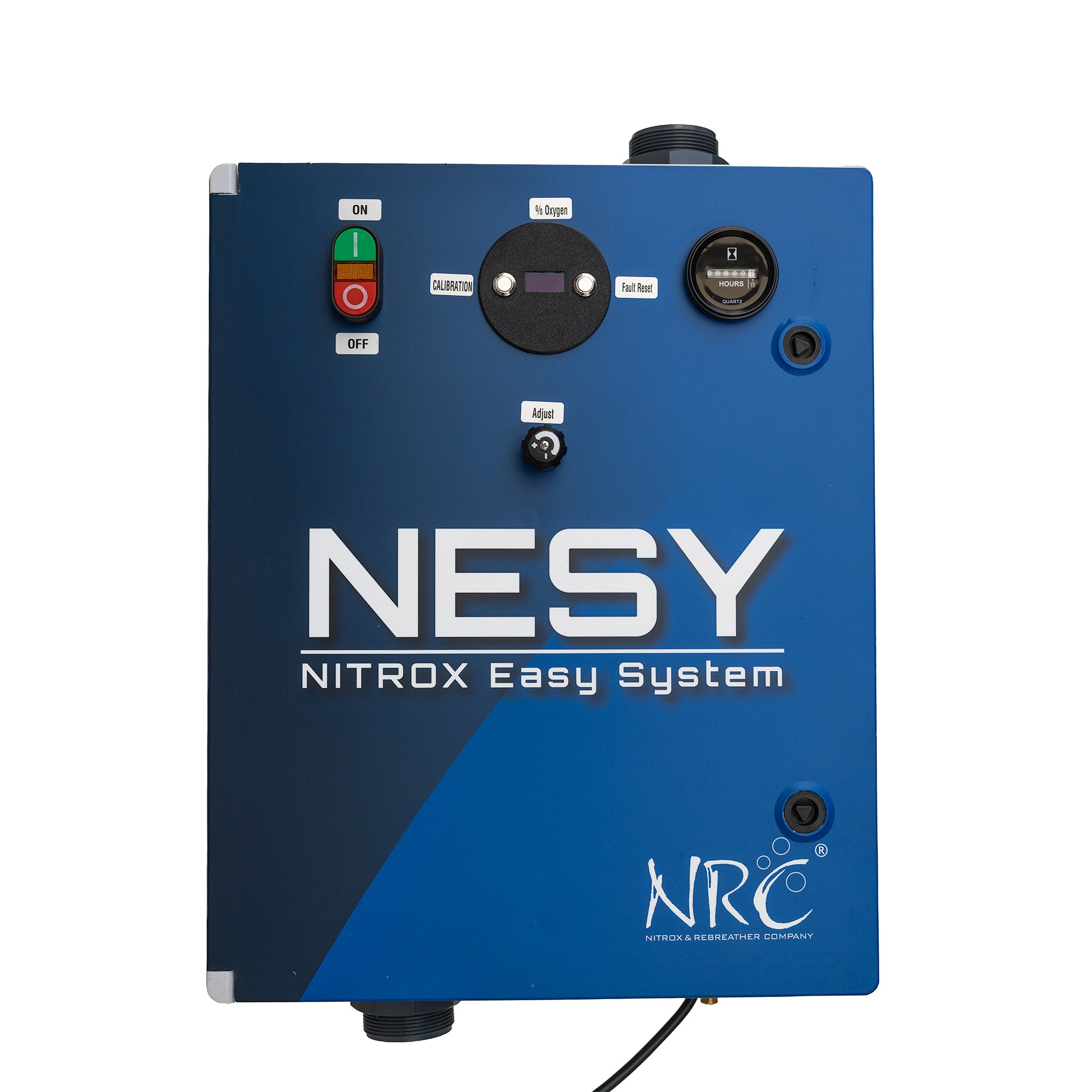
Nitrox has become the standard breathing gas for many recreational dive operations. Dive centers that offer Nitrox typically rely on a dedicated production system.
One of the most common solutions is a Nitrox membrane system, which produces enriched air by separating nitrogen from compressed air.
For dive centers and liveaboards that fill large numbers of tanks daily, that continuous production capability is what keeps the workflow moving.
3. Gas Booster Pumps
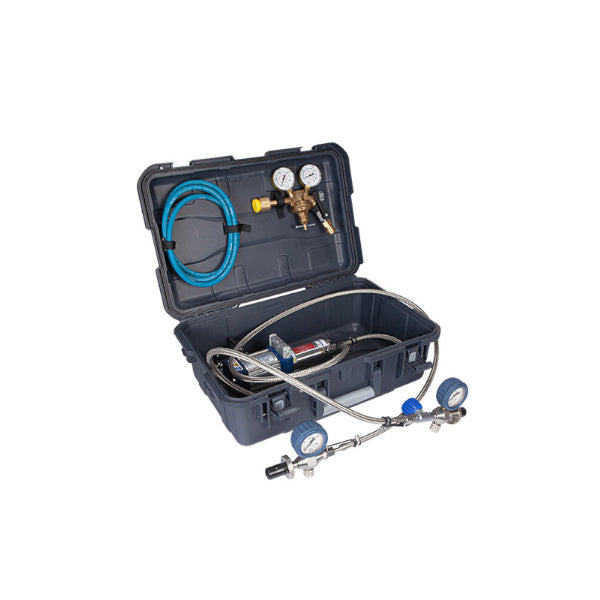
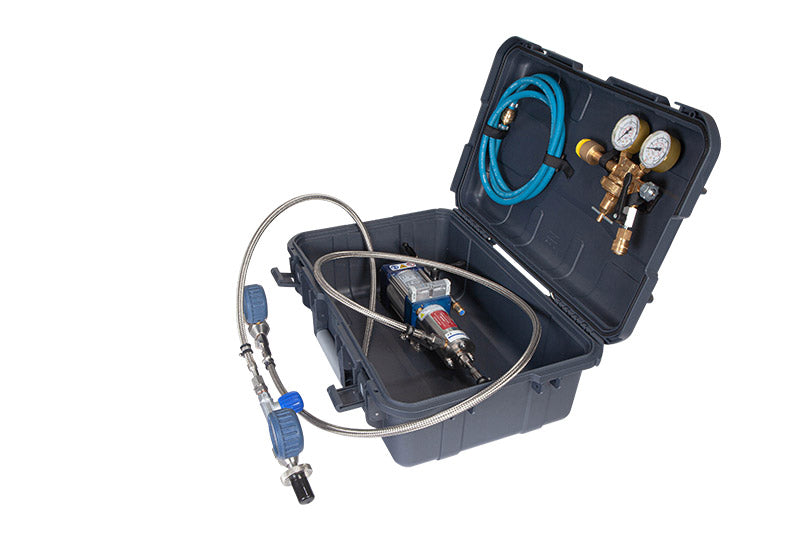
Gas boosters handle what compressors cannot. They take gas from a supply cylinder and increase its pressure to fill another cylinder, which makes them essential for technical diving operations that work with oxygen or helium mixes.
They also help recover usable gas from supply cylinders that still have pressure left, which cuts down on waste and stretches the operation's gas budget further.
4. Gas Analyzers
Before any cylinder is issued to a diver, the gas mixture must be verified.
Gas analyzers measure the oxygen percentage in a cylinder, confirming that the gas mixture matches the intended blend. This helps prevent incorrect gas mixtures from reaching divers and supports safe Nitrox and mixed-gas operations.
Also read: What Gas Analyzers Do for Nitrox Safety
5. Gas Storage and Cylinder Banks
Storage banks are large high-pressure cylinders that sit between gas production and the filling station, acting as a buffer that keeps supply available during peak demand without running the compressor continuously.
For dive centers with back-to-back dive schedules, they are what allow the operation to fill tanks quickly when it matters most.
6. Monitoring and Safety Equipment
A filling station operates under high pressure, and that environment needs to be actively managed. Pressure gauges, temperature monitoring, and proper ventilation in the compressor room give staff the visibility to catch problems before they become incidents.
Clear labeling, documented filling procedures, and trained staff complete the picture. The equipment handles the gas, but the overall safety infrastructure around it is what keeps the environment safe to work in.
Is Your Gas Filling Station Built for the Long Term?
A reliable gas filling station is more than a compressor. It combines gas production, storage, pressure boosting, gas analysis, and safety systems into a single workflow.
When these components work together, dive centers can fill cylinders efficiently, maintain breathing gas quality, support Nitrox and technical diving operations, and provide a safer experience for divers.
NRC International has been building gas handling equipment for professional dive operations since 2000, with systems now running in more than 35 countries. Whether you are setting up a new filling station or upgrading an existing one, we can handle the full setup, including Nitrox membrane systems, gas boosters, oxygen analyzers, and everything in between.
If your current station has gaps, we can help you close them. Contact us today, and let's talk about what your operation needs!