As high season approaches, dive centers shift into a faster rhythm. More divers mean more cylinder fills, longer compressor hours, and increased Nitrox demand.
While these changes are expected, they also reduce your margin for error. Fortunately, peak season pressure is predictable. With proper forecasting and a clear workflow structure, systems can remain stable even under sustained load.
This guide will talk about the essential areas dive centers and liveaboards should review now to enter high season prepared and in control.
What Changes During High Dive Season?
High season does not just make you busier. It forces your operation to move faster and run longer. Instead of steady daily output, you deal with continuous fills, quick turnarounds, and limited recovery time between departures. Systems run closer to their limits, and your margin for error gets smaller.
In practice, you will notice:
-
Higher Cylinder Turnover: Tanks move through the fill station much faster than usual, often doubling daily output.
-
Stronger Nitrox Demand: More divers ask for EANx, which puts real pressure on membranes, oxygen supply, and analyzers.
-
Longer Compressor Hours: Compressors work harder and have less time to cool down.
-
Staff Fatigue: Repeating the same high-volume tasks increases the chance of small mistakes.
-
More Visiting Divers: Many guests are unfamiliar with your deck setup or shop workflow.
To support these changes, a structured pre-season checklist will help stabilize gas systems, equipment capacity, and staff workflow before demand peaks.
Checklist 1: Gas Supply & Nitrox Capacity
Gas production keeps your operation moving. When filling slows down, departures get delayed, and the workflow backs up.
1. Forecast Consumption with a Safety Buffer
Start with your historical data. Review peak-season logs and identify your highest daily output.
Then plan beyond it.
Build your projections with a 20 to 30 percent buffer above your expected peak. This accounts for walk-in divers, equipment downtime, and unexpected schedule changes. Planning only for the average day leaves no room for pressure.
2. Stress-Test Nitrox Production
Do not just switch the system on. Try running it under realistic peak demand using your normal procedures and safety limits.
-
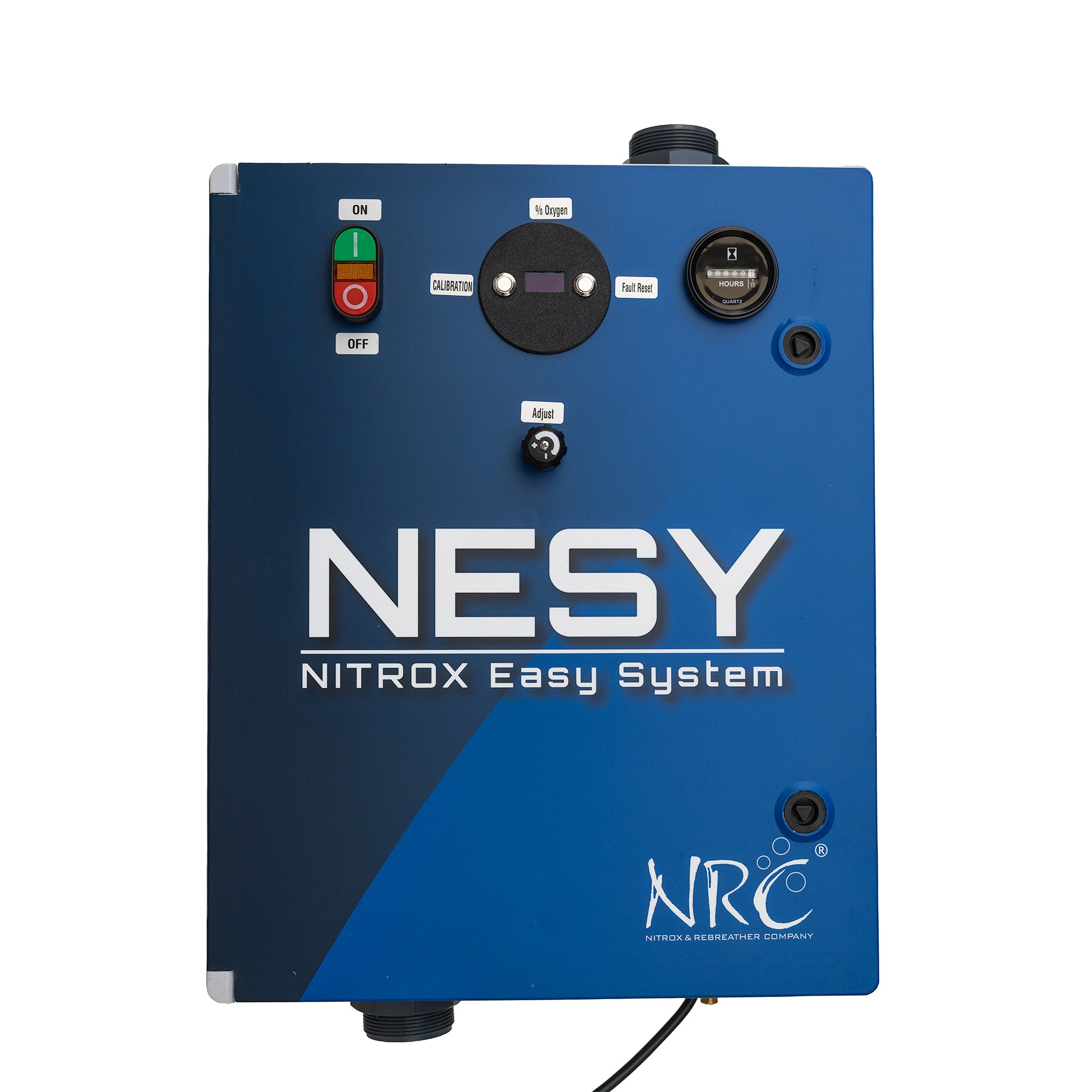
Membrane systems should maintain stable oxygen percentages during continuous operation.
-
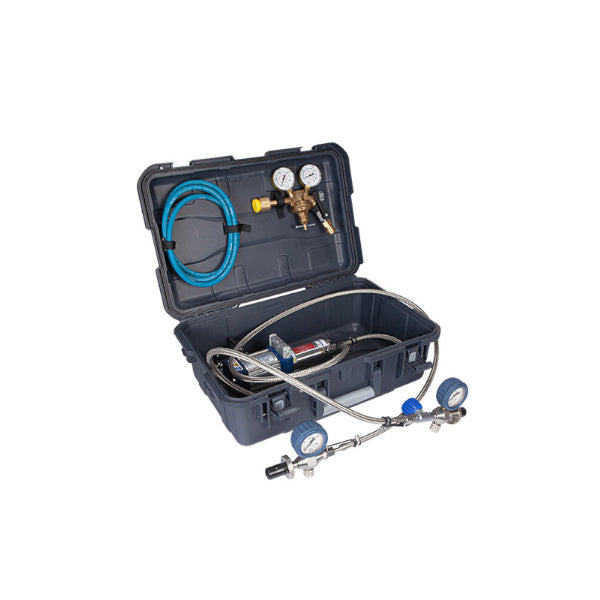
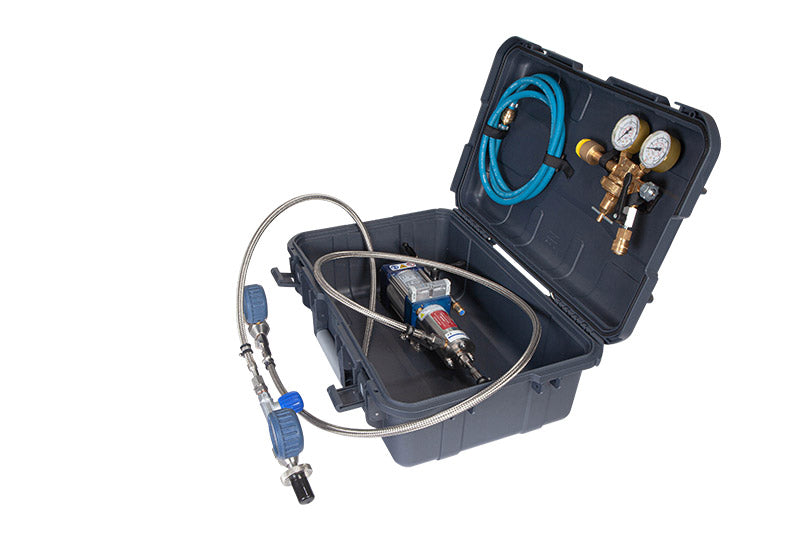
Oxygen boosters should reach the target pressure smoothly without hesitation. Check seals, performance, and service history before the season begins. Proper booster maintenance is essential for efficient gas transfer.
-
Oxygen supply must keep up with higher consumption. If you rely on oxygen cylinders for blending, confirm that storage volume and delivery frequency can support peak demand without creating refill gaps.
Note: Any maintenance or checks involving oxygen service and high-pressure components should be performed by trained personnel and follow oxygen-clean procedures.
3. Oxygen Analyzer Redundancy
Nitrox demand increases analysis frequency, which can create a bottleneck if equipment fails.
Review the age of every oxygen sensor. If a sensor is approaching 12 months of use, it might be a good idea to replace it before high season.
Maintain at least one fully functional backup analyzer and spare sealed sensors stored properly. Redundancy prevents rushed analysis and keeps the workflow steady when one unit goes down.
Checklist 2: Compressor Room, Fill Station & Inventory Control
During peak season, your compressor room and fill station operate almost continuously. Any interruption affects departures, scheduling, and overall workflow. A structured pre-season review reduces the risk of avoidable downtime.
1. Compressor Room & Fill Station Readiness
Complete all major service intervals before the first peak weekend. Do not carry pending maintenance into high season.
-
Service Schedule: Ensure major service is completed and documented.
-
Air Quality: Replace filter elements and verify oil condition.
-
Cooling & Ventilation: Confirm sufficient airflow in the compressor room. Heat accelerates wear on seals and components.
-
Moisture Control: Check drains and separators to prevent contamination during extended run hours.
Peak season increases runtime. The compressor room must be prepared for sustained load.
2. Cylinder Inventory & Flow Control
Operational delays often come from poor inventory control rather than production limits.
To reduce confusion during busy hours, consider implementing a clear physical workflow in your fill station. One practical method is a simple color-based zoning system:
-
Red Zone: Empty or uninspected cylinders
-
Yellow Zone: Filled but not yet analyzed
-
Green Zone: Analyzed, logged, tagged, and ready for dispatch
This type of visual structure helps staff quickly identify cylinder status, prevents mix-ups, and supports faster turnaround when volume increases.
Checklist 3: Staff Workflow & Fatigue Management
During peak season, systems run longer, and people work faster. As volume increases, the risk of small procedural mistakes also rises. Clear roles and structured rotation help maintain consistency under pressure.
To support staff performance during high season:
-
Define Clear Responsibilities: Assign who fills, who analyzes, and who logs. Avoid overlapping duties that create confusion or missed steps.
-
Refresh Core Procedures: Conduct a short pre-season review covering MOD marking, gas analysis workflow, and oxygen-clean handling protocols.
-
Rotate Compressor Room Shifts: Limit extended time in the compressor room. Fatigue increases the chance of misreading gauges, skipping moisture drains, or overlooking documentation.
Structured workflow and managed shift rotation protect both safety and staff endurance throughout peak season.
When Should You Consider Upgrading?
Preparation stabilizes operations, but it does not replace capacity. If demand consistently pushes your systems to their limits, structural upgrades may be necessary.
Signs that your current setup is reaching its limit include:
- Frequent Tank Queues: Divers regularly wait for available cylinders during peak hours.
- Extended Overtime: Staff stay significantly beyond scheduled hours to complete filling and logging.
- No Redundancy: A single compressor failure would halt operations entirely.
- Booster Performance Limits: Oxygen boosters struggle to reach target pressure consistently.
When these signs appear repeatedly, upgrading capacity becomes a strategic decision rather than a reactive one. Expanding membrane output, improving blending efficiency, or adding redundancy can protect workflow stability during sustained high demand.
Ready for Peak Season Stability?
If your current setup is approaching its limits, upgrading capacity now is the most critical step you can take to protect your workflow and safety.
Don’t let your dive center’s reputation suffer from avoidable equipment failure or slow fills when the pressure is on. Strengthening gas production, improving Nitrox efficiency, and adding system redundancy prevents operational strain before demand peaks.
With decades of experience in Nitrox, gas control, and professional dive equipment, NRC International supports dive centers and liveaboards with reliable, German-engineered systems trusted in more than 35 countries. From oxygen boosters to membrane systems and analyzers, NRC solutions are designed for stable performance under sustained load.
Don’t wait for the high season rush to reveal your system's weaknesses. Prepare your operation with NRC today and enter the season with total confidence in your capacity.
Frequently Asked Questions
When Should Preparation Start?
Start at least four to six weeks before high season. This gives you enough time to service equipment, order spare parts, replace sensors, and brief staff without rushing decisions or delaying departures.
Should another analyzer be added?
For high-volume operations, an additional analyzer will improve workflow stability. They reduce analysis bottlenecks, prevent rushed logging, and provide redundancy if one unit fails.
Is it better to upgrade systems before or after high season?
Upgrades should be completed and tested before peak demand begins. Installing new systems during the busiest period increases the risk of disruption while staff adjust to new procedures.
What is the most common high-season mistake?
The most common high-season mistake is rushing gas analysis and skipping complete fill logs. This shortcut, often driven by turnaround pressure, increases the risk of incorrect gas mixtures reaching divers.
High season magnifies both strengths and weaknesses. Structured preparation protects safety, supports staff performance, and preserves long-term reputation. Review gas systems, analyzers, and Nitrox capacity now to enter high season stable and in control.