Marine growth on a hull adds drag, and drag costs fuel. Checking it and clearing it in the water avoids the cost and downtime of hauling the boat out.
The work happens around propellers, intakes, and thrusters, often in poor visibility and moving water. This guide will show you how to plan and carry out light hull work safely, step by step.
1. What to Check Before You Clean the Hull
Start with the conditions, because they decide whether the job happens at all. Depth, visibility, current, weather, and nearby boat traffic all change how long you can work and how safely you can do it.
Then work through the boat itself:
-
Engines off and isolated: Nothing should be able to start while you are under the hull. Tell whoever is aboard that you are going in.
-
Someone stays topside: They keep watch, track your time, and are there if something goes wrong.
-
Know where the hazards are: Propellers, thrusters, intakes, and anodes are the things you can get caught on or cut by.
-
Set the scope before you dive: Decide which sections you are working on and what you are doing to them, so you are not making that call on a limited air supply.
Agree how you will signal topside and what happens if you do not surface on time. On a small job, that can be as simple as an agreed time and someone watching, but it needs deciding before you are in the water.
2. Diving Equipment for Underwater Hull Cleaning
Light hull work does not need much kit. What matters is matching it to the water you are in and the coating you are working on. Here are some things you will want to have while cleaning:
-
Diving suit: Hull work can take some time, and you stay more or less still, so you cool faster than you would swimming. Match the suit to the water temperature and to how long you expect to be down.
-
Gloves: Barnacle growth is sharp, and you will have your hands on the hull the whole time.
-
Mask: Check the seal before you go in, since you will be working close to the hull with growth coming off in front of you.
-
Air supply: Sail Air gives roughly 15 to 20 minutes from a 1-liter cylinder, depending on depth and breathing rate. Confirm it is filled before you go in, and know your working time.
-
Cleaning tools: Match the tool to the coating. A soft pad lifts slime without touching antifouling, while a stiff brush or scraper can take the coating off along with the growth.
-
Dive flag: Passing boats cannot see you under a hull. Fly whatever your local waters require.
Check all of it on deck before you go in. Anything you spot once you are under the boat is something you have to surface to deal with, and that comes out of the air you brought down.
3. The Underwater Hull Cleaning Process
Once you are in the water, work to the plan you set on deck. The air you have is the clock, so deciding the order down there costs you working time.
1) Get Into Position
Descend along a line or the hull itself rather than free-swimming across open water. Stay clear of the propeller, thrusters, and intakes as you move under the boat, and give yourself a route back out that does not run past any of them.
2) Clean the Hull Systematically
Work in one direction across the section you planned, so you can tell what you have covered once visibility drops. Use the tool you matched to the coating, and keep the pressure light over anodes, intakes, and any area where the antifouling is already thin.
3) Watch Your Air and the Conditions
Check your gauge at set intervals rather than when it occurs to you. Visibility closes in as growth comes off the hull, and a current that was manageable on the way down can build while you are working. Surface if the current picks up, the water goes opaque, or your air drops to the reserve you planned.
4) Finish and Check Your Work
Go back over the section before you surface and confirm you covered what you planned. Note anything you found on the way, such as damaged antifouling, a loose anode, or growth in an intake, since those are the things worth dealing with before they turn into a haul-out. Rinse your kit with fresh water once you are back aboard.
4. Common Hazards Around a Boat Hull
Most of what can go wrong under a hull comes from the boat. Try checking for these underwater hazards while you are cleaning the hull:
-
Entanglement: Lines, netting, and growth around the running gear are easy to swim into and hard to get out of with one hand on a tool.
-
Propellers, thrusters, and intakes: These are why the engines stay off and isolated. A bow thruster fired from the helm does not need the main engines running.
-
Poor visibility and current: Both tend to get worse while you work, since cleaning puts growth into the water and tides turn.
-
Air supply interruption: A small cylinder leaves little margin, which is why this work stays shallow enough to surface directly.
Local rules are worth checking before any of this. In-water cleaning is restricted or banned in some ports and marinas because of the marine growth and antifouling residue it releases, so confirm what is allowed where you are moored.
5. Use Lighter Air Tank for a Short Job
A full scuba set is a lot of kit to rig and carry down to the water for twenty minutes under a hull. The tank is most of that weight and bulk, and on a short job you spend longer moving it around than breathing off it.
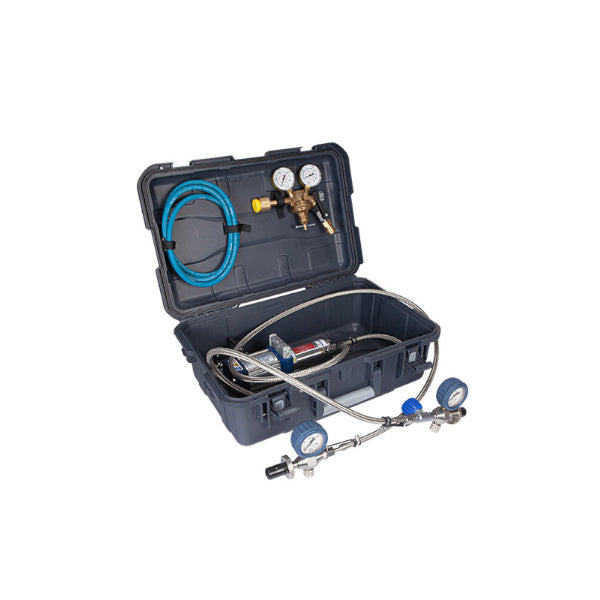
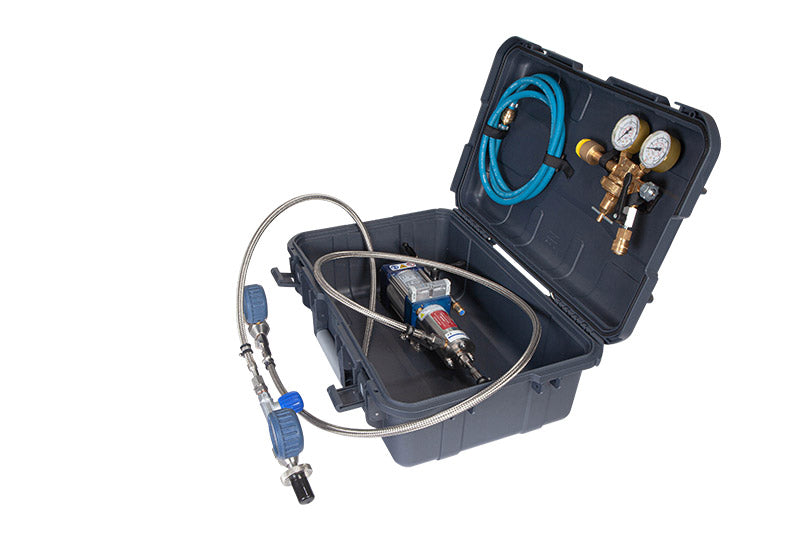
Sail Air by NRC International covers those same short jobs from a 1-liter high-pressure cylinder. A full fill gives roughly 15 to 20 minutes depending on depth and breathing rate, enough for a hull inspection, a fouled propeller, gear that went over the side, or emergency air for the crew.
Explore Sail Air by NRC or contact us if you want help matching a fill setup to your boat.
Frequently Asked Questions
How often should a boat hull be cleaned underwater?
Go by growth rather than by the calendar. Check the hull every couple of months and clean when you find slime building or barnacles starting, which happens faster in warm, nutrient-rich water and on a boat that sits still for long stretches.
Can every boat hull be cleaned underwater?
Not necessarily. The suitable cleaning method depends on the hull material, coating, condition, and underwater components. The cleaning approach should be selected to avoid unnecessary damage to the hull or its protective coatings.
Can underwater hull cleaning damage the hull coating?
Yes. A stiff brush or heavy pressure will take coating off along with the growth, and the risk is highest where the antifouling has already worn thin.
Is Sailair suitable for underwater maintenance work?
Yes, for short jobs. Sail Air is a self-contained breathing-air system with a 1-liter cylinder giving roughly 15 to 20 minutes per fill, which suits a hull inspection, a fouled propeller or retrieving dropped gear. It is not a substitute for a full scuba set on a longer job, and NRC recommends that all users have scuba training.
Do I need dive training to clean my own hull?
Yes. Working under a boat means breathing compressed air underwater, and we recommend scuba training for everyone using Sail Air. If you are not a trained diver, this is a job for a hull-cleaning service.
Related Article:
SailAir vs. Pony Bottles
What is SailAir?
How Sail Air Works
Sail Air Maintenance Guide
Sail Air: Boat Emergency Air System
How to Use SailAir