Low season is a familiar part of life for most dive operations. Fewer bookings, quieter boats, and slower daily routines put pressure on the business, especially in destinations with strong seasonal swings.
But the low season gives operators something peak season rarely allows. Equipment can be serviced properly, infrastructure projects can run without disrupting daily operations, and staff can develop skills that get sidelined when boats are full.
The tips below cover where that time is best spent.
1. Perform Full Equipment Maintenance
Compressors, filtration systems, and regulators all have service intervals that are difficult to keep up with during peak season. Low season is when most operators catch up.
Oxygen analyzers and sensors also drift over time. Most manufacturers recommend calibration every few months or after a set number of readings. If calibration was deferred during busy periods, address it now.
Staying on top of this reduces the risk of a mid-season breakdown that forces you to turn divers away or scramble for backup equipment at short notice, and extends the lifespan of expensive systems in the process.
Related Article: TEC Booster Maintenance
2. Upgrade Gas Infrastructure
Larger infrastructure projects require equipment downtime. That makes the low season the practical window for adding capacity or changing how the fill station operates.
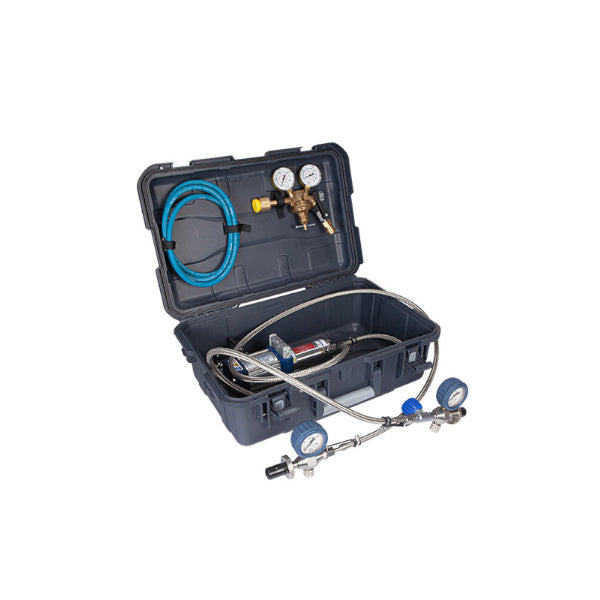
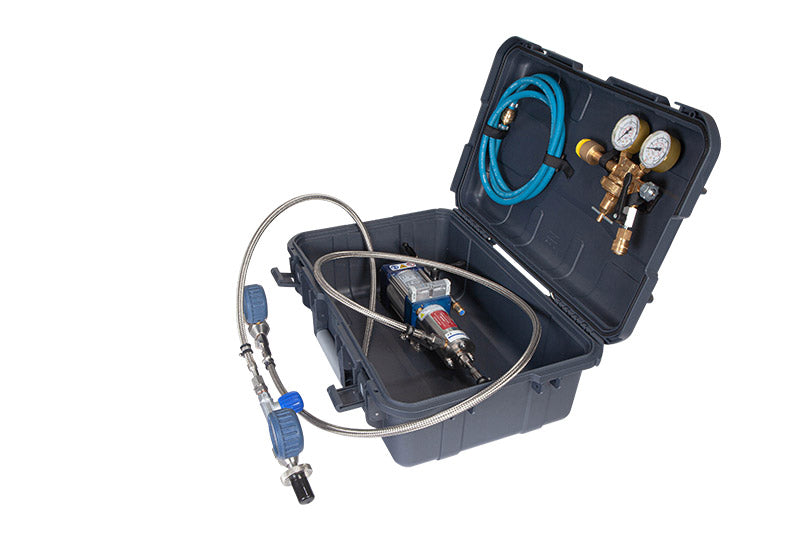
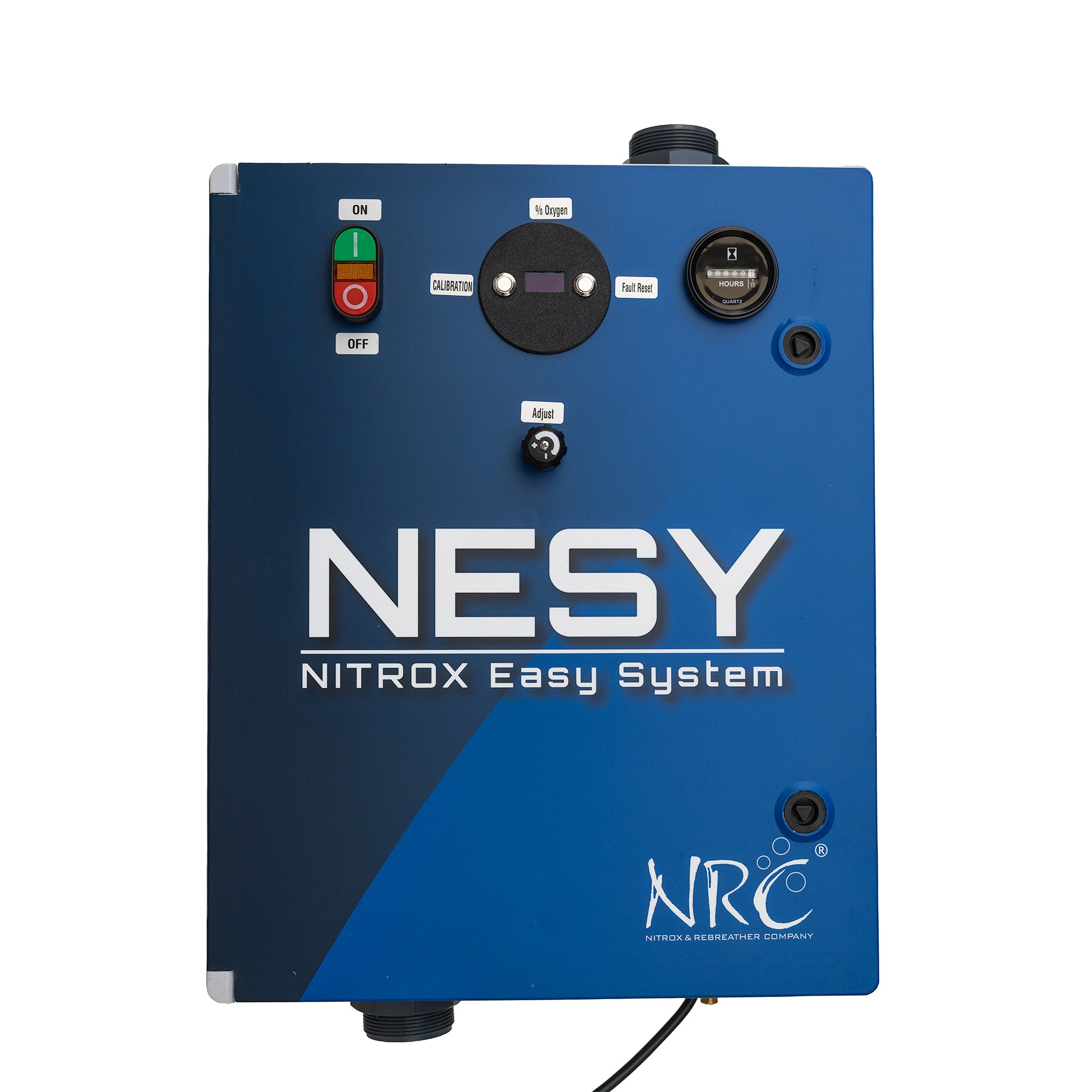
You can upgrade by installing a Nitrox membrane system, adding a second compressor for redundancy, reconfiguring the filling station layout for better workflow, or replacing aging components before they fail under load.
If last peak season exposed bottlenecks such as long fill queues, insufficient Nitrox capacity, or compressor overheating, evaluate what limited throughput and prioritize accordingly.
3. Train and Develop Staff
Peak season leaves little time for professional development. Use the slower months to address skill gaps and expand what your team can offer, such as:
-
For instructors, this might mean adding specialty certifications (Nitrox, deep, wreck) that allow the center to sell more courses.
-
For boat crew and divemasters, refresher training on emergency procedures and equipment handling reinforces safety standards.
-
For technicians, manufacturer courses on compressor maintenance or gas blending formalize skills that may have been learned informally.
4. Improve Operational Workflow
Peak season often reveals inefficiencies that are impossible to fix while running at full capacity. Low season is the time to address them.
Review how cylinders move through the operation, from storage to filling to boat loading and back. Identify bottlenecks such as:
-
Are fills backing up because of compressor capacity or poor scheduling?
-
Is equipment storage creating unnecessary handling steps?
-
Are boats waiting on cylinders that should already be staged?
Small layout changes or procedural adjustments made now can eliminate daily friction that compounds across a full season.
Prepare for Peak Season with the Right Support
What gets done during low season shapes how smoothly peak season runs. Serviced equipment is less likely to fail, upgraded systems are less likely to slow operations, and trained staff are better prepared when demand returns.
NRC International has supplied Nitrox systems, compressors, gas analyzers, and support equipment to dive operations in over 35 countries since 2000.
If your low-season plans include improving gas infrastructure, browse our Nitrox systems and compressors or contact us to discuss the right setup for your operation.