A well-organized gas storage and transfer area makes daily dive center operations smoother, safer, and easier to scale.
The physical layout of these areas affects everything from how efficiently cylinders move through the filling process to how well contamination risks are managed across different gas types.
The seven points below are a good place to start, whether you are setting up a new facility or improving an existing one.
1. Segregate Storage by Gas Type
Different gases should be stored in clearly defined and physically separated zones. This means compressed air, Nitrox, and pure oxygen each have their own dedicated area, clearly marked and easy to identify at a glance.
Oxygen cylinders in particular should never be mixed with general air storage, as cross-connection or contamination in an oxygen environment carries serious risks.
Clear labeling and physical separation are the simplest ways to make sure the right gas goes into the right cylinder every time.
2. Maintain Ventilation and Environmental Control
Gas storage areas need adequate ventilation and a stable environment, and this is especially true for rooms where oxygen is stored or handled.
Oxygen itself is not flammable, but it accelerates combustion significantly, which means ignition sources, oil, and grease have no place anywhere near an oxygen storage area.
On the practical side, storage and filling rooms should have sufficient airflow, clearly visible safety signage, and surfaces that are kept clean and free of contamination.
3. Establish a Dedicated Filling and Transfer Zone
Storage and filling operations should be clearly separated rather than sharing the same space.
When cylinders are filled in the same area where they are stored, workflows get congested, and the chances of handling errors increase, particularly on busy days when multiple gases are being processed at the same time.
A well-set-up transfer zone typically includes:
-
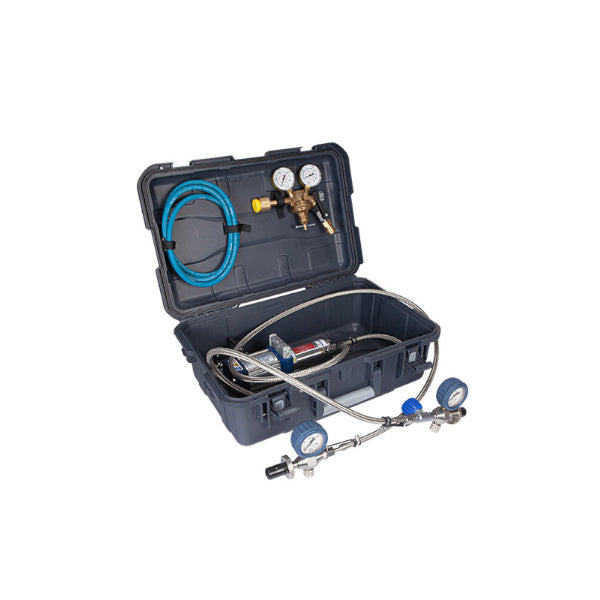
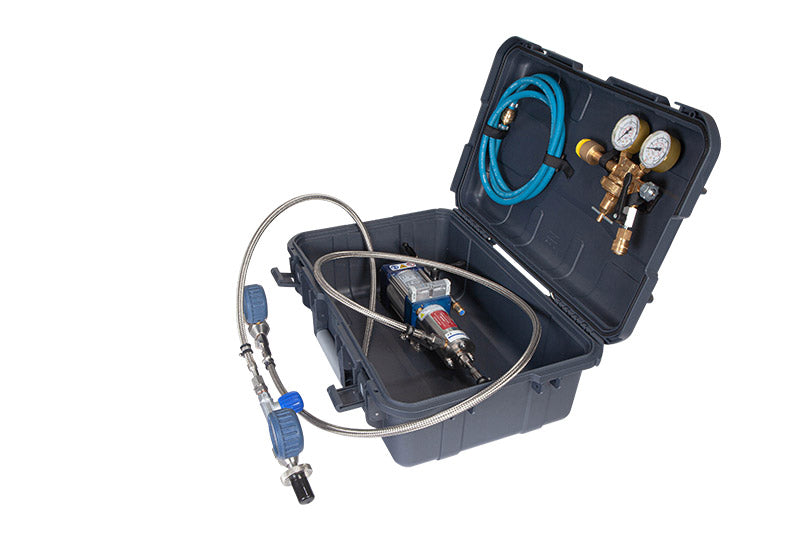
A booster or membrane system for filling cylinders to the required pressure
-
Secure cascade storage racks to keep high-pressure supplies stable and organized
-
Clearly readable pressure gauges at every connection point
-
Stable working surfaces with enough room to handle cylinders safely
Having a defined transfer zone means staff always know where filling happens and in what order.
On a busy liveaboard morning with multiple divers gearing up for back-to-back dives, that kind of clarity makes a real operational difference.
4. Define Oxygen-Service Work Areas
Equipment intended for oxygen service needs its own dedicated workspace, separate from where general maintenance happens.
Oxygen-compatible components are sensitive to contamination, and even small amounts of oil, grease, or dust can create problems in a high-pressure oxygen environment.
A dedicated workbench, tools clearly designated for oxygen service only, and approved lubricants suitable for oxygen environments are the basics. Keeping this area dedicated and clean is what ensures oxygen-service work stays uncontaminated.
5. Design Logical Cylinder Workflow
Cylinders should move through the facility in a defined sequence rather than being shifted around based on whatever space happens to be available.
A logical flow typically runs from empty cylinder intake, through visual inspection, filling, gas analysis, and finally into storage, ready for distribution.
Getting this sequence right often comes down to where the filling equipment sits. A gas booster positioned between the inspection area and the analysis station, for example, keeps cylinders moving in one direction without backtracking across the floor.
6. Secure Cylinders Appropriately
Cylinders should always be stored upright and secured to prevent them from tipping or rolling. A falling high-pressure cylinder is a serious hazard, and valve damage from an impact can compromise the cylinder's integrity in ways that are not always immediately visible.
Beyond securing them physically, cylinders should be kept away from prolonged direct sun exposure and corrosive conditions. Heat buildup affects pressure, and corrosion on valve threads or cylinder necks can make routine handling more difficult over time.
7. Support Physical Organization with Written Procedures
A well-organized storage area works best when the people using it are working from the same set of procedures.
Gas blending protocols, oxygen-clean handling guidelines, equipment maintenance schedules, and staff authorization guidelines all help make sure the physical setup is being used the way it was intended.
This is particularly useful as operations grow. When new staff join or dive seasons get busier, written procedures mean the standard does not depend on institutional memory or whoever happens to be on shift that day.
Building a Gas Operation Worth Trusting
A well-organized gas storage and transfer area comes from deliberate decisions about layout, workflow, and equipment. Maintaining those standards consistently over time is what makes the difference.
NRC International has been supporting dive centers and liveaboards with professional gas handling equipment since 2000, trusted across more than 35 countries. From high-pressure booster systems to oxygen-compatible handling solutions, our equipment is built to fit into structured, professional dive center environments.
Contact us to find out how NRC can support your gas operation!